
Programs and Treatment Options for Women at Robert E. Ellsworth Correctional Center
If someone you care about is at Robert E. Ellsworth Correctional Center (REECC), figuring out what help is actually available can feel like a second job. This guide breaks down the program and treatment categories women typically encounter in Wisconsin prisons—and shows you how to verify what's currently offered at REECC.
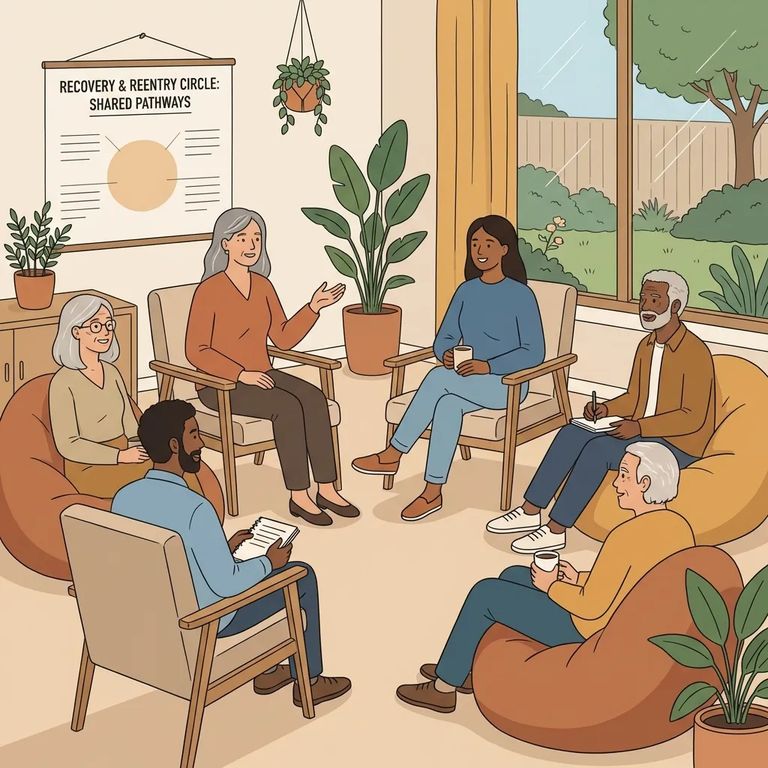
Robert E. Ellsworth Correctional Center (REECC) is part of the Wisconsin Women's Correctional System (WWCS). This article covers the treatment, education, and skill-building programs families ask about most - plus how to confirm what's actually running at REECC and what your loved one might be eligible for.
Program availability shifts based on staffing, schedules, and how the DOC organizes services at each site. Your best starting point is the Wisconsin DOC's Opportunities and Options Resource Guide (June 2023). It includes a
Substance Use Disorder (SUD) programming helps someone understand their relationship with alcohol or drugs, recognize triggers, and build a plan for staying stable long-term. Depending on individual needs, treatment can also cover relapse prevention, decision-making skills, and healthier ways to cope with stress.
"Dual diagnosis" means treatment that addresses both substance use and mental health concerns together - depression, anxiety, or trauma symptoms alongside addiction, for example. Eligibility and placement depend on assessment results, safety and housing considerations, and which groups have openings. If your loved one says she's "waiting for treatment," ask whether she's on a formal wait list, if there are prerequisites, and what she can do in the meantime (workbook groups, self-study, or other approved activities).
Some treatment tracks are more intensive - bigger time commitments, closer monitoring, or a structured daily schedule compared to standard weekly groups. You'll also hear program names used as shorthand inside the system, which can make conversations confusing from the outside. To make sense of it, pin down three things: what the program targets (substance use, thinking patterns, behavior, reentry readiness), how long participation typically lasts, and what someone needs to do to be considered for placement at REECC.
Cognitive-behavioral groups, anger management classes, and employability programming tend to be structured and skills-based. These aren't "just talk." Most revolve around practicing specific tools: identifying risky thinking, slowing down impulsive reactions, handling conflict without escalating, and preparing for work expectations (showing up on time, communicating with supervisors, budgeting, problem-solving). Your loved one might mention homework, worksheets, role-plays, journaling, or weekly goals - that's how these programs turn big ideas into habits that hold up outside the facility.
Tip for families: If she's frustrated with "another class," ask what skill she's supposed to be practicing right now - and what would make the group feel more useful. You'll get a clearer answer than "How was program today?"

- Get the Opportunities and Options Resource Guide (June 2023) - this is the DOC’s roundup of programming and services.
- Go to “DAI Services by Site” - use that section to check which program and treatment categories are listed for each site.
- Look specifically for REECC - confirm whether the program type you care about is shown as available there before you assume it’s offered.
- Use the DOC contact information from the guide - it lists: Wisconsin Department of Corrections, 3099 E. Washington Ave., Madison WI 53704, 608-240-5000.
- Ask for the most current, REECC-specific status - confirm whether the program is currently running, whether there’s a wait list, and how enrollment decisions are made.
- Write down names and dates - if you need to follow up later, having a clear record makes the next call faster and less stressful.
- ✓ Is this program currently running at REECC right now, or temporarily paused?
- ✓ What makes someone eligible (assessment results, custody level, conduct history, medical/mental health clearance, prerequisites)?
- ✓ How does enrollment work - self-request, staff referral, or both?
- ✓ Is there a wait list, and if so, how is priority decided?
- ✓ How long is the program and how often does it meet?
- ✓ What counts as “completion,” and what happens if someone misses sessions?
- ✓ Are there alternative groups or self-study options while someone waits?
- ✓ Does participation affect housing, work assignments, or visitation schedules?
Find an Inmate at Robert E Ellsworth Correctional Center
Search for a loved one and send messages and photos in minutes.