
How Substance Use Disorder Treatment Works for Women at REECC
If your loved one is at Robert E. Ellsworth Correctional Center (REECC) and struggling with substance use, understanding what treatment looks like inside Wisconsin DOC can help. Here's how SUD and "dual diagnosis" programming works for women in DOC care—and how to confirm what's available at REECC.
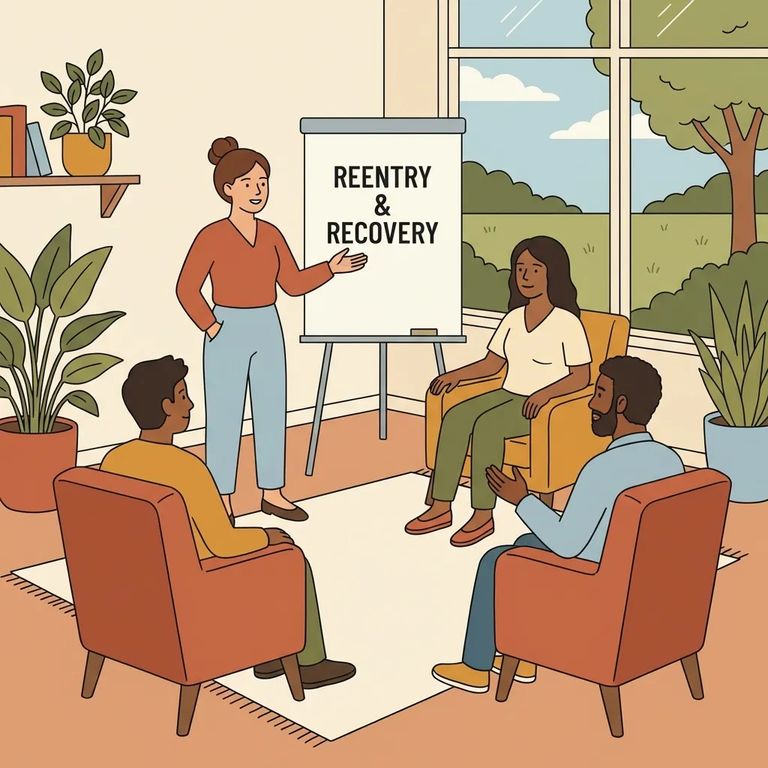
Wisconsin DOC offers Substance Use Disorder (SUD) programming to people in its care, including women. Treatment isn't a one-off class - it's an organized program track designed to support lasting change and reduce the risk of relapse after release.
If your loved one has both a substance use disorder and a serious mental health condition, DOC also offers Dual Diagnosis programming. This track serves people with a SUD alongside a severe and persistent mental illness, and it's available to both men and women. REECC is part of the Wisconsin Women's Correctional System (WWCS).
Note: Dual Diagnosis is designed for co-occurring substance use disorder and severe/persistent mental illness. The women’s track is built around gender-responsive treatment needs.
DOC's female Dual Diagnosis Program runs 21 weeks with a gender-responsive curriculum. The focus goes beyond substance use to address trauma and emotion regulation - areas that often drive relapse. The program combines group therapy and psycho-educational sessions, individual counseling, psychiatric treatment and medication management when appropriate, and release planning with follow-up support.
Note: “Gender-responsive” programming is designed around common pathways women report in addiction and recovery - especially trauma exposure, safety, and coping skills.
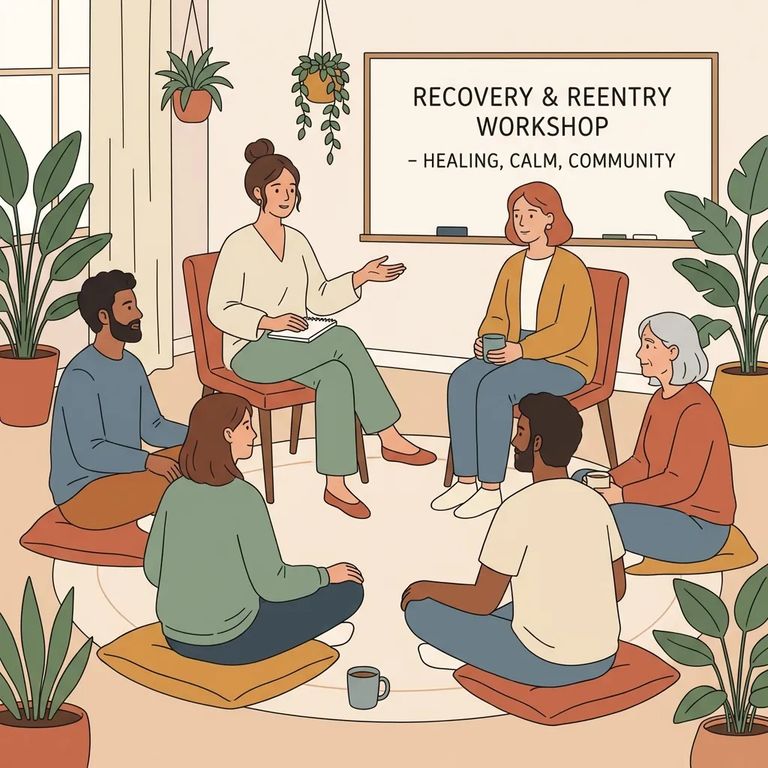
Much of DOC treatment is built around Cognitive Behavioral Programs (CBPs). These groups help participants break patterns that keep them stuck - by learning to notice thoughts, challenge them, and practice new skills. Programs like Thinking for a Change, Dialectical Behavior Therapy (DBT), and Moving On combine cognitive restructuring with skills training. The goal: take more control of your life by taking control of your thinking.
- ✓ Cognitive Behavioral Programs (CBPs) such as Thinking for a Change, Dialectical Behavior Therapy (DBT), and Moving On
- ✓ Skills-focused work on managing thinking patterns and behavior choices
- ✓ Practice work assignments tied to the skills taught in group
- ✓ Treatment delivered in group settings with trained staff
- ✓ Groups commonly run with 8–15 participants and are generally scheduled multiple times per week
- Expect a small group setting - groups are typically run with about 8–15 participants.
- Plan for longer sessions - a standard group meeting is generally around 90 minutes.
- Look for steady weekly rhythm - groups are often held 2–3 times per week, so participation is ongoing rather than occasional.
Families Tracking
- ✓ Ask the facility/program staff whether your loved one is enrolled in SUD treatment or Dual Diagnosis programming
- ✓ Request the name of the program track (SUD vs. Dual Diagnosis) and what phase they’re in, if staff are able to share it
- ✓ Ask what the typical weekly schedule looks like (for example, how many days per week groups are held)
- ✓ If appropriate, ask whether there is a designated counselor or program contact for the treatment group
- ✓ Use the Wisconsin DOC “Opportunities and Options Resource Guide” (June 2023, DAI Office of Program Services) as a reference point for what programs exist system-wide and what questions to ask
Schedules and availability vary by site. The most reliable way to confirm what's happening for your loved one at REECC is to ask facility staff about enrollment and current programming. It helps to know that REECC is part of the Wisconsin Women's Correctional System (WWCS). For official descriptions of program types and structure, DOC published the Opportunities and Options Resource Guide (June 2023) through the DAI Office of Program Services.
Find an Inmate at Robert E Ellsworth Correctional Center
Search for a loved one and send messages and photos in minutes.