
How Phone Calls Work in Federal Custody: What Families Need to Know
Phone calls are one of the main ways people in federal custody stay connected with family and friends. But these calls come with strict rules and monitoring—here's what you should know before you pick up.
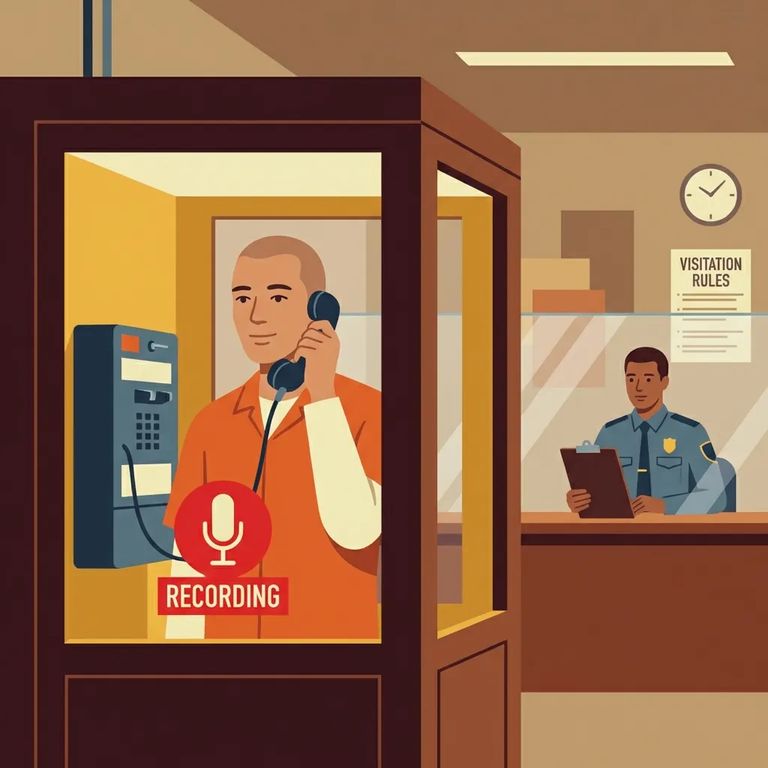
The Bureau of Prisons (BOP) treats phone calls as a privilege meant to help people in custody stay connected with family and community. Usually, the incarcerated person pays for the call - but sometimes the person receiving it pays instead.
Phone access isn't unlimited. The BOP can restrict or place conditions on someone's calling privileges whenever it's necessary for facility management.
Assume regular calls are monitored. The BOP posts a notice next to each phone warning that calls are recorded, so your loved one sees that reminder before dialing.
Attorney calls are handled differently. In certain situations, the BOP allows unmonitored calls with lawyers to protect privileged legal communication.
Trufone Data
- ✓ Telephone numbers associated with an inmate’s calling list
- ✓ Biometric information (voice verification)
- ✓ Inmate call recordings
- ✓ Inmate TRUFONE account balance
The BOP collects call data to help carry out its responsibilities for the safekeeping and custody of incarcerated people. In practice, this means monitoring communications between inmates and the public - and gathering law enforcement intelligence when relevant.
Note: TRUFONE stores voice verification data and call recordings. These records can be used for monitoring and intelligence purposes.
Third-party or alternative call arrangements aren't allowed. If someone patches a call through, relays it, or sets up any kind of workaround - that's prohibited.
When phone use raises security or management concerns, the BOP can impose restrictions on calling privileges. This can affect when and how often your loved one is able to call.

What This Means
- ✓ Expect calls to be monitored; the BOP posts a notice by each phone advising inmates of monitoring.
- ✓ Don’t use third-party or alternate call setups - those arrangements aren’t permitted.
- ✓ Know that TRUFONE data is collected to monitor and control communications for safekeeping, care, custody, and law enforcement intelligence.
- ✓ Understand what may be captured and kept: calling-list phone numbers, voice verification data, and call recordings.
Most calls are paid for by the person in custody, though sometimes the receiving party covers the cost. If calls suddenly slow down or stop, it may be because the BOP has placed restrictions on phone privileges as part of managing facility security.
Find an Inmate at RRM Atlanta, GA
Search for a loved one and send messages and photos in minutes.