
Before You Go: Call-Ahead Checklist for Visiting a Federal Prison
A quick phone call can save you a long drive and a denied visit. Use this checklist to confirm the basics before you leave home.
Mail, photos, messaging, and phone/call options for staying in touch.
RRM Atlanta offers electronic messaging through TRULINCS. Messages are text-only (no attachments) and limited to 13,000 characters each. TRULINCS requires approval and consent to monitoring, so assume every message can be reviewed before delivery. Keep your content within facility restrictions. Phone and communications data are handled through TRUFONE, which shares vendor records with DOJ law enforcement components and may give private contractors access for system management. Before using any remote services, set up and verify your account with the facility's approved communications vendor and follow their registration steps. Planning to do video visits from home? Make sure you have a computer or smartphone with a camera and microphone, plus stable internet, before scheduling.
Search for a loved one and send messages and photos in minutes.

A quick phone call can save you a long drive and a denied visit. Use this checklist to confirm the basics before you leave home.
Phone calls are one of the main ways people in federal custody stay connected with family and friends. But these calls come with strict rules and monitoring—here's what you should know before you pick up.
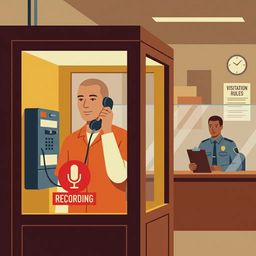
Before you visit or message someone in federal custody, confirm where they're housed and what you're approved to do.

TRULINCS is the Bureau of Prisons' email system—a secure way to exchange written messages with someone who's incarcerated. It's not regular internet email. Messages go through a controlled system, but it's the most direct way for families to stay in touch through writing.

Set up and verify an account with the facility’s approved communications vendor, then follow the vendor’s TRULINCS registration steps. Use the vendor and facility instructions to complete setup before you try to send messages.
No. TRULINCS requires consent to monitoring, so assume your messages can be reviewed. Don't share anything you wouldn't want seen by facility staff or law enforcement.
TRUFONE shares data with DOJ law enforcement components, including the FBI, USMS, EOUSA, the Criminal Division, the U.S. Parole Commission, and OIG. Private contractors may also have access to vendor systems for system management.
Want to visit someone in federal custody? You'll need to get cleared first. Form BP-A0629 is the visitor questionnaire that kicks off the approval process—and filling it out carefully matters.

To visit someone in a Federal Bureau of Prisons (BOP) facility, you need to be on that person's approved visiting list and cleared by the BOP. The process is straightforward once you understand who can be added and how approvals work.
Sending money through MoneyGram is straightforward once you have the right details. The key is entering the inmate's information in the exact format required.