
Understanding Phone Calls from Kansas City RRM: Monitoring, Costs, and How They Work
Phone calls are often the easiest way to stay connected with someone under federal supervision. Here's how calling works from Kansas City RRM — who pays, what gets monitored, and how attorney calls are different.
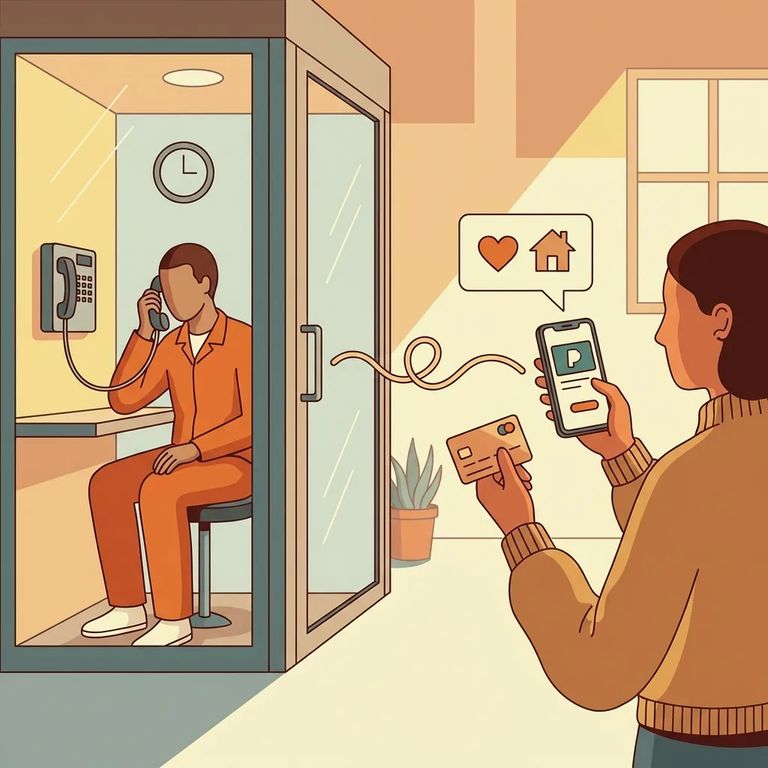
Telephone privileges help people maintain ties with family and community contacts. But calling comes with security limits. At Kansas City RRM, a notice is posted next to each telephone advising inmates that calls are monitored. Assume your conversations aren't private and speak accordingly.
Usually, the person in custody pays for calls. Sometimes the receiving party pays instead. If you're getting calls and aren't sure what you're being charged, it typically depends on how that specific call type is set up in the phone system.

The facility is upfront about monitoring - a notice is posted next to each telephone advising inmates that calls are monitored. Treat every regular call as recorded. Don't discuss anything you wouldn't want reviewed later.
Attorney calls work differently, but only in limited situations. Unmonitored telephone calls to attorneys are permitted in certain circumstances - they're not the default and aren't guaranteed for every legal call. If you need a confidential attorney conversation, you or your attorney should confirm what qualifies and what steps are required through the facility's process.
Note: Calls are monitored by default, with notices posted by the phones. Unmonitored attorney calls may be allowed in certain circumstances - confirm eligibility and procedures before assuming any call will be private.
Find an Inmate at Rrm Kansas City, MO
Search for a loved one and send messages and photos in minutes.