
How to Send Money to Someone at RRM Philadelphia (How BOP’s TRUNET/TRUFACS Track It)
Sending money to someone at RRM Philadelphia isn't just a deposit—it becomes part of the Bureau of Prisons' trust-fund recordkeeping. Here's what actually happens behind the scenes, what information gets captured, and where to find the official deposit instructions for this facility.
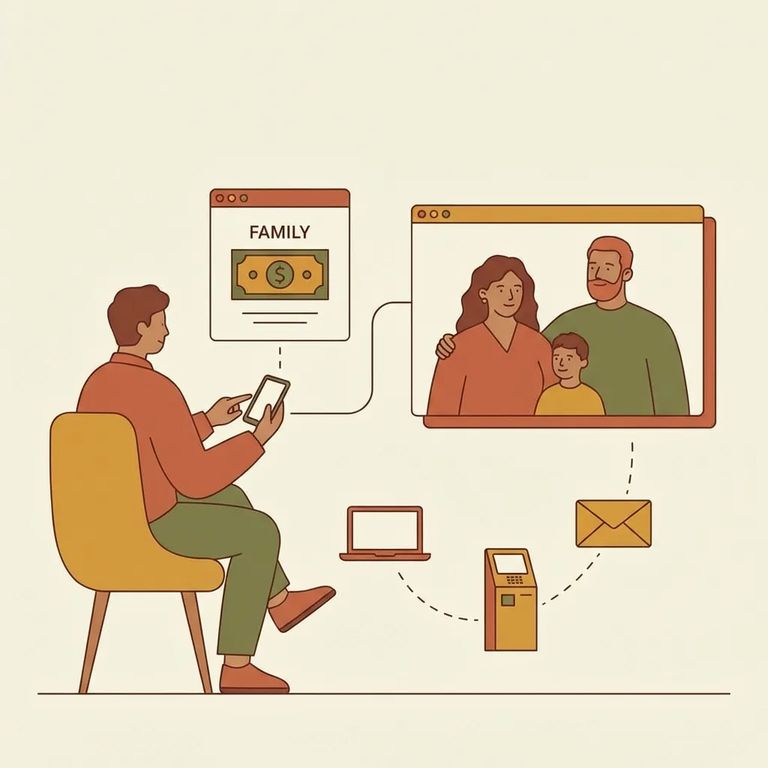
When you send funds to someone in BOP custody - including community-based locations like RRM Philadelphia - the money flows through BOP's trust-fund infrastructure. A key piece of that system is TRUNET, the Trust Fund Network. TRUNET is the network BOP uses to oversee and manage inmate funds. It also supports commissary operations by tracking inventory. So it's not just about deposits coming in - it's tied to how spending and purchasing are tracked inside the system too.
You might also see TRUFACS mentioned in BOP documentation. Think of TRUFACS as the internal accounting system staff use to manage and review inmate financial activity. It's not a portal you can log into as a family member or friend. Only authorized BOP employees and contractors have access.
Any time you send money, identifying information goes with it. BOP's trust-fund recordkeeping captures details from the sender - your name, home address, and financial information connected to the payment (like details from checks or other negotiable instruments). This is standard for correctional deposit systems. The money has to be traceable to a real sender and a specific recipient, and the record needs to support account management and auditing.
Privacy note: TRUFACS isn’t public-facing - access is limited to BOP employees and contractors. When it’s accessed through web-based tools, the system uses SSL encryption and requires authenticated logins (LDAP) with NIST-compliant strong passwords.
Inside TRUFACS, there's a related tool called TRUWEB. It gives Unit Team staff read-only visibility into someone's trust-fund activity. This includes the current account balance and basic transaction history - deposits and withdrawals. If your loved one wants to confirm whether a deposit posted, Unit Team staff can often check the balance and recent activity through this read-only view.
TRUFACS is an internal BOP system used by staff and authorized contractors. Account activity is handled and reviewed from inside the agency, not by outside parties. Not every document tied to trust-fund processing is kept forever in the same form. Some scanned TRUFACS files - specifically BP Form 199s (used for certain authorizations) - are treated as temporary records and destroyed 90 days after verification.
BOP treats trust-fund systems like protected internal infrastructure. TRUNET isn't connected to the internet. Communications with other BOP and DOJ networks happen through the Justice Unified Telecommunications Network (JUTNet), which uses encrypted site-to-site connections. For web-based access to TRUFACS applications, BOP uses SSL encryption. User access is controlled through an LDAP service that uniquely identifies each user, and logins require NIST-compliant strong passwords. The bottom line: the systems tracking deposits and balances are designed for controlled, authenticated access - not open public access.
Access control: TRUFACS is accessed only by BOP employees and contractors. If someone claims they can “look up” your loved one’s trust-fund balance for you outside official channels, treat that as a red flag.
Record retention matters for privacy too. BOP documentation states that scanned TRUFACS files (including BP Form 199s) are temporary records, destroyed 90 days after verification. That doesn't mean the underlying account history disappears - balances and transactions are still tracked within the trust-fund systems. But certain scanned authorization paperwork, once verified, isn't kept indefinitely in that scanned form.

For the actual "how do I send it?" part, start with the BOP Inmates website. It includes a direct link to BOP's guidance on sending money. From there, look for RRM Philadelphia's facility information to confirm accepted deposit methods, required details (like the register number), and any fees or processing rules for the option you choose.

Checklist
- ✓ Confirm the person’s full name and register number before you submit any payment.
- ✓ Expect to provide sender information (like your name, home address, and/or payment details) as part of the deposit record.
- ✓ Use the official BOP guidance for “how to send money,” then verify RRM Philadelphia’s facility-specific instructions before you pay.
- ✓ Keep your receipt or confirmation number so your loved one can reference it if they need staff to check the deposit history.
- ✓ If there’s a question about whether money posted, know that Unit Team staff can view balance and deposit/withdrawal information through TRUWEB (read-only access).
Safety tip: Only send money through the official channel you confirm for RRM Philadelphia, and protect your financial details while you do it. TRUFACS is an internal BOP system accessed by authorized staff/contractors, with encrypted web access and strong login controls.
Find an Inmate at RRM Philadelphia
Search for a loved one and send messages and photos in minutes.