
Understanding Transitional Centers: What It Means When Someone Moves from Rutledge to Columbus TC
When someone moves from Rutledge to the Columbus Transitional Center, it's usually a good sign—they're getting closer to release. Transitional Centers bridge the gap between incarceration and the community, and understanding what happens next helps you plan alongside them.
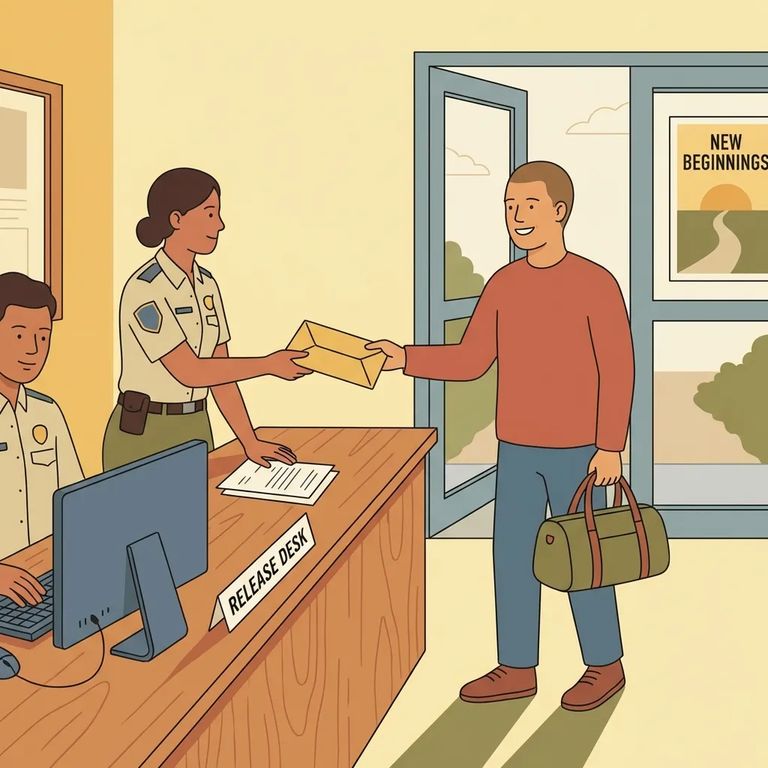
Transitional Centers have one core purpose: helping people nearing discharge or parole prepare for life on the outside. A TC is still supervised, but the focus shifts toward stabilization and reentry - structured support as someone gets ready to leave.
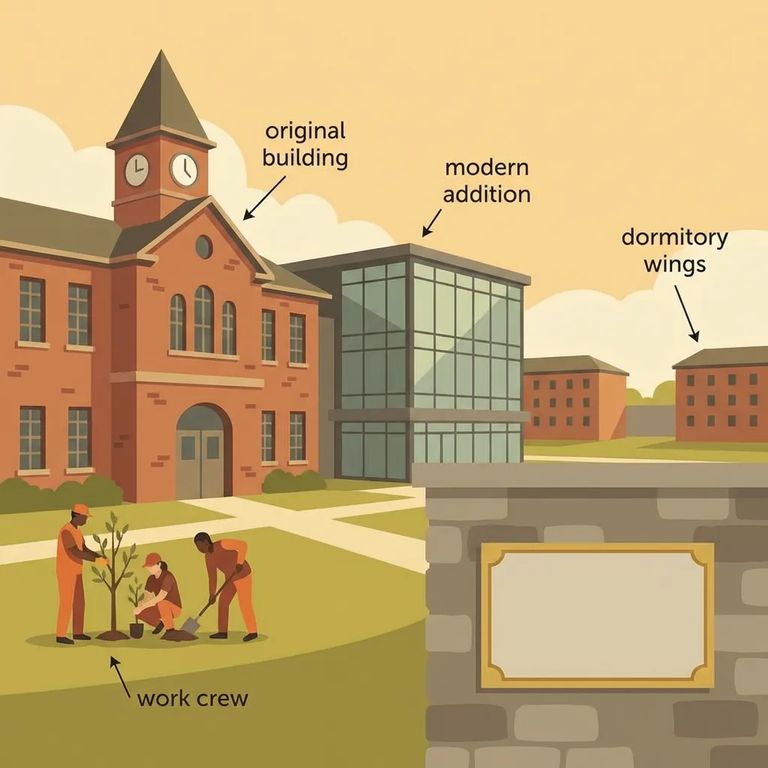
Rutledge State Prison serves as the host facility for the Columbus Transitional Center. It also hosts the Charles D. Hudson Transitional Center - a separate TC with the same administrative connection to Rutledge.
- ✓ Columbus Transitional Center - stated capacity of 140 residents
- ✓ Charles D. Hudson Transitional Center - stated capacity of 157 residents
This host relationship affects daily operations. Rutledge work details include food service and orderly jobs at the Columbus Transitional Center, along with other support assignments.
Phase I is a structured introduction to the Transitional Center. It starts with one week of orientation, then four weeks of center sanitation detail, followed by four weeks of Odyssey programming. During this time, residents meet with counselors to discuss their needs and develop treatment and performance plans. It's not just about adjusting to the new environment - it's about setting goals for what comes next.
Wondering about transfer timing? Georgia Department of Corrections policy requires someone to be assigned to an institution for 12 months before a routine transfer is considered. They also need a clean disciplinary record for the preceding 6 months. This explains why transfers can take time - and why staying out of trouble matters so much for housing placement.
- Encourage them to stay engaged in Phase I - orientation, sanitation detail, and Odyssey programming are part of the early track, and consistent participation helps them keep moving forward.
- Keep communication steady and practical - check in about what they’re being asked to do in Phase I and what goals they’re setting.
- Use the counselor connection - residents meet with assigned counselors to identify needs and build treatment/performance plans, so it’s worth encouraging your loved one to bring questions and concerns to those meetings.
Visitation planning: Rutledge State Prison visitation hours are 9:00 AM to 3:00 PM on Saturdays, Sundays, and state holidays.
Find an Inmate at Rutledge State Prison
Search for a loved one and send messages and photos in minutes.