
CALCTRA Job & Vocational Programs in California Prisons — What Families Should Know
If your loved one is incarcerated in California, CALCTRA programs offer one of the best paths to building real job skills inside. Understanding what training CALCTRA offers statewide helps you ask better questions at a specific facility and plan smarter for reentry.
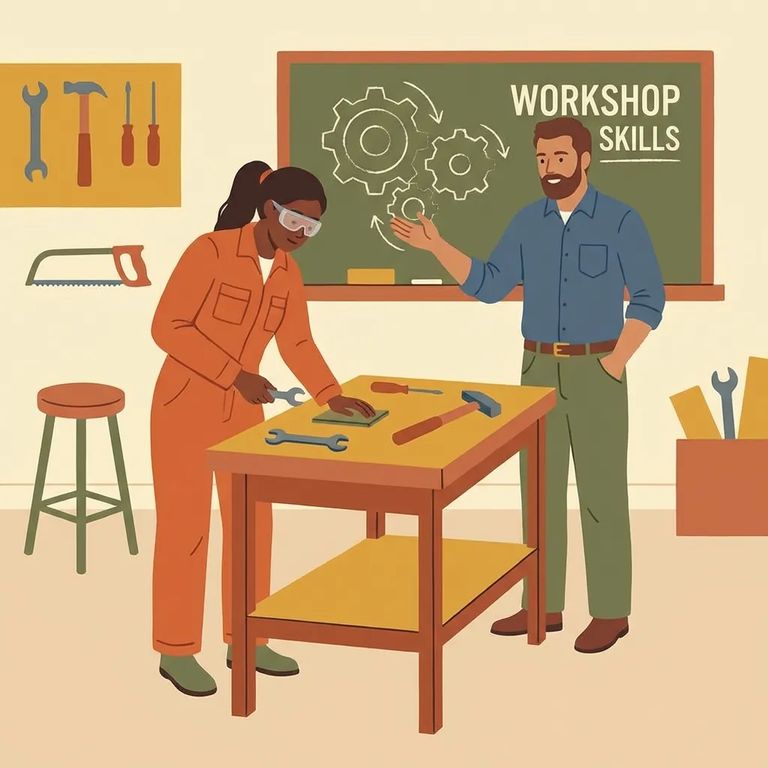
CALCTRA training varies widely from one prison or program site to the next. Before you start making calls, it helps to know the "menu" of what exists statewide. When you understand program names and the kinds of work they train for, you can ask clearer questions, spot good-fit opportunities, and plan reentry support around real skills - sometimes even credentials - instead of guesses.
One CALCTRA success story features a graduate who completed facilities maintenance training - skills that translate to keeping large buildings running safely and reliably. For families, this signals a practical, hands-on program that can lead to steady work in institutional or commercial settings after release.
Another example highlights a CALCTRA pathway in commercial diving. That's a specialized trade - and seeing it listed as a completed program is a reminder that some CALCTRA options are highly technical and niche. When you talk with staff, ask about training hours, required evaluations, and what "completion" actually means.
One featured graduate completed a computer coding track. Programs like this focus on job-ready skills you can explain to an employer: what languages or tools were covered, what projects were completed, and whether there's a certificate or transcript to use during a job search.
A separate success story centers on carpentry training. Carpentry covers a lot of ground - framing, finish work, measuring, layout, tool safety. If this is the direction your loved one wants to go, ask what the curriculum emphasizes and how hands-on the training actually is.
Another CALCTRA graduate example reflects a construction labor skill set. Even when the title sounds general, these programs build strong employability: basic construction safety, worksite expectations, teamwork, and the routines that matter to contractors and employers.
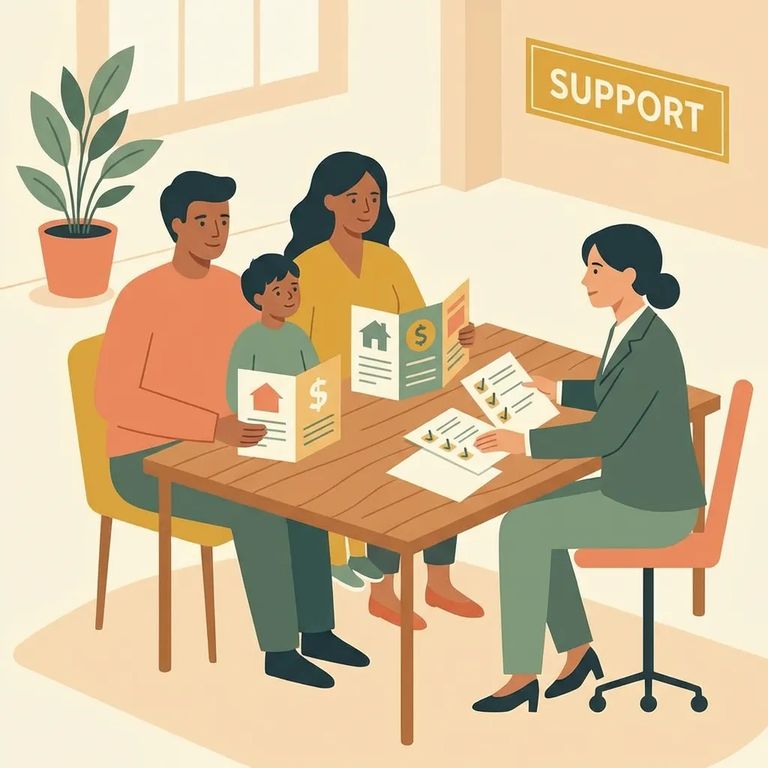
Together, these examples show CALCTRA's range: building and facilities maintenance, specialized trades like commercial diving, tech skills like coding, and construction pathways including carpentry and general labor. That range changes what "support" looks like on the family side. A coding track might benefit from help building a simple portfolio or resume language that explains projects. Carpentry or construction paths may hinge on documenting hours and safety training, then connecting with employers who hire entry-level trade workers. Facilities maintenance often maps to steady jobs with schools, hospitals, and large commercial buildings - roles where reliability and basic technical competence count.
- ✓ Ask your loved one which track they’re aiming for (facilities maintenance, commercial diving, coding, carpentry, or construction labor) and what “completion” requires.
- ✓ Confirm what proof they’ll receive: certificate, transcript, hours log, or a completion letter you can keep for reentry planning.
- ✓ Get the right vocabulary for resumes: tools used, projects completed, safety training, and any equipment or procedures they practiced.
- ✓ If the goal is trades (carpentry/construction/maintenance), talk early about realistic first jobs - entry-level roles, apprenticeships, or helper positions.
- ✓ If the goal is coding, focus on what can be shown: sample work, documented skills, and a clear description of what they can build.
- ✓ Ask whether there are follow-on steps after graduation (advanced modules, related training options, or reentry support that builds on the same skill area).
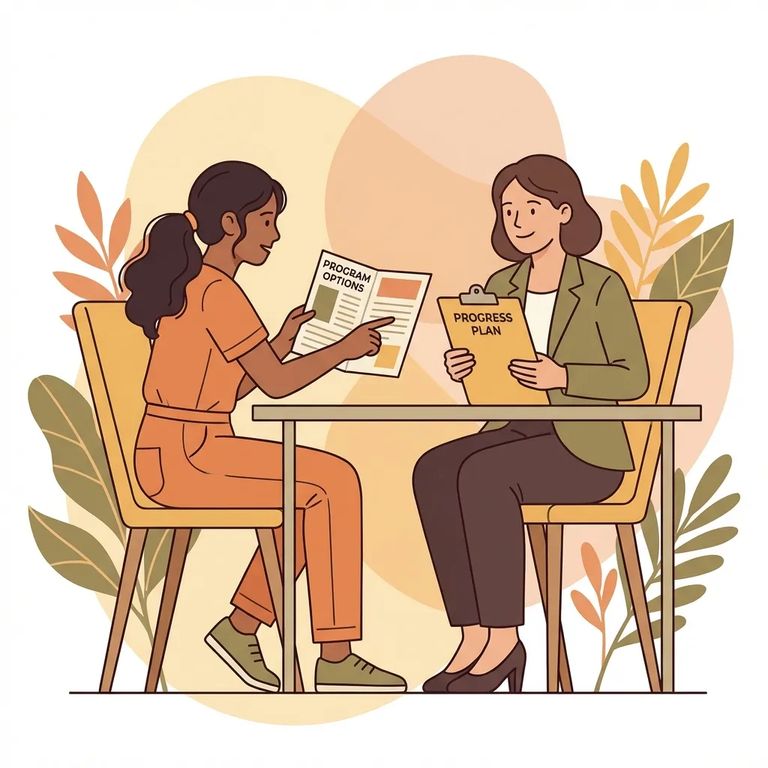
How to Use When Calling
- ✓ Do you currently offer any CALCTRA vocational programs at San Diego FCRP? (The examples above don’t confirm what’s available at this specific site.)
- ✓ Which programs are running right now, and what are the start dates or enrollment cycles?
- ✓ What are the eligibility rules (custody level, time-to-serve, disciplinary history, medical clearance, or prerequisite classes)?
- ✓ Is there a waiting list? If so, how is the list managed, and how long is the typical wait?
- ✓ What does “completion” mean for each program, and what credential or paperwork is issued?
- ✓ How can a family member verify participation or completion (for example, a status letter or documentation placed in central file)?
When you call or visit, ask to speak with the education department or the vocational/CTE coordinator - the person who knows what's actually running and how enrollment works. Bring a short list of program areas (facilities maintenance, commercial diving, coding, carpentry, construction labor) so the conversation stays concrete. If your loved one is already enrolled, ask what documentation they'll receive at milestones and at completion. Written confirmation makes reentry planning and job searches much easier later.
The graduate examples here come from a CALPIA/CALCTRA resource guide page that compiles success stories and highlights vocational pathways people have completed. To see the original write-ups, look for the CALCTRA success stories section within the CALPIA/CALCTRA resource materials.
Find an Inmate at San Diego FCRP
Search for a loved one and send messages and photos in minutes.