
Programs That Help With Reentry at Smith Transitional Center
Smith Transitional Center helps people prepare for life outside before discharge or parole. The programs here focus on practical skills, recovery foundations, and changing the thinking patterns that lead back to trouble.
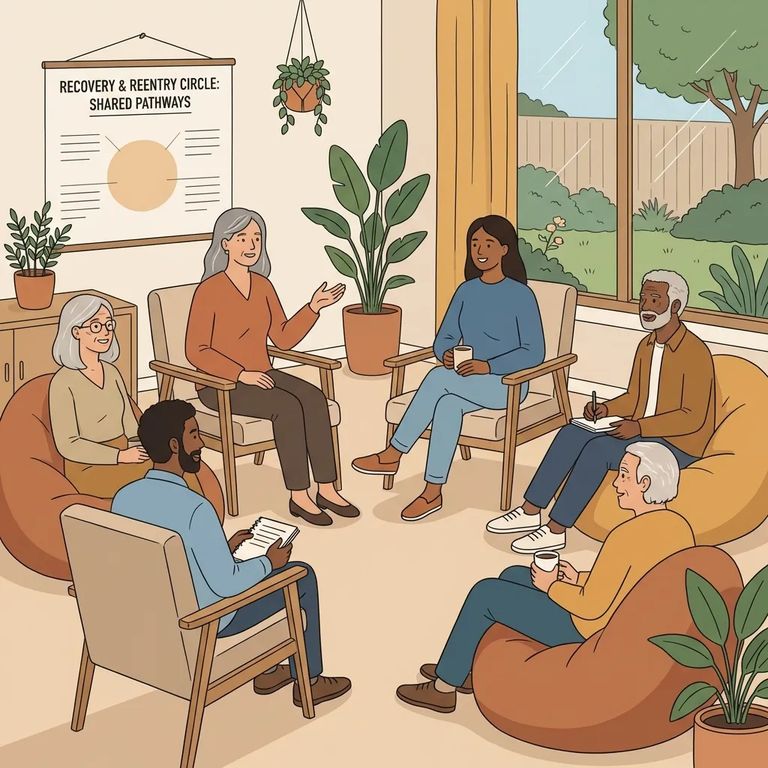
Smith Transitional Center is part of a network of Transitional Centers with one clear purpose: protect the public by providing community residential services before discharge or parole. That's why reentry programming matters here. The goal isn't just waiting out a sentence - it's building habits, coping skills, and decision-making tools that make stable, safe living realistic once someone returns to the community.
Reentry Skills Building is the most practical, day-to-day program at Smith Transitional Center. It teaches life skills that are easy to overlook until you're suddenly responsible for everything again - staying organized, showing up with a solid work ethic, managing money without spiraling into crisis. The program also covers relationships with family and friends, often one of the hardest parts of reentry. Learning to communicate, rebuild trust, and set healthier boundaries makes a real difference. When those basics get stronger, people tend to stay more stable after incarceration. And stability is a big part of not going back.
Family tip: Since relationships are part of Reentry Skills Building, your support can make the lessons “stick.” Even small things - consistent communication, realistic expectations, and encouragement to use new skills - can reinforce the work your loved one is doing.
MATRIX Early Recovery Skills is a substance-use curriculum designed to help residents start the recovery process. It uses a cognitive-behavioral approach - focusing on how thoughts, triggers, and routines connect to behavior, and how to practice different responses. Think of MATRIX as early-stage skill building: laying a foundation for recovery, building awareness of risky situations, and starting relapse-prevention habits that carry into the community.
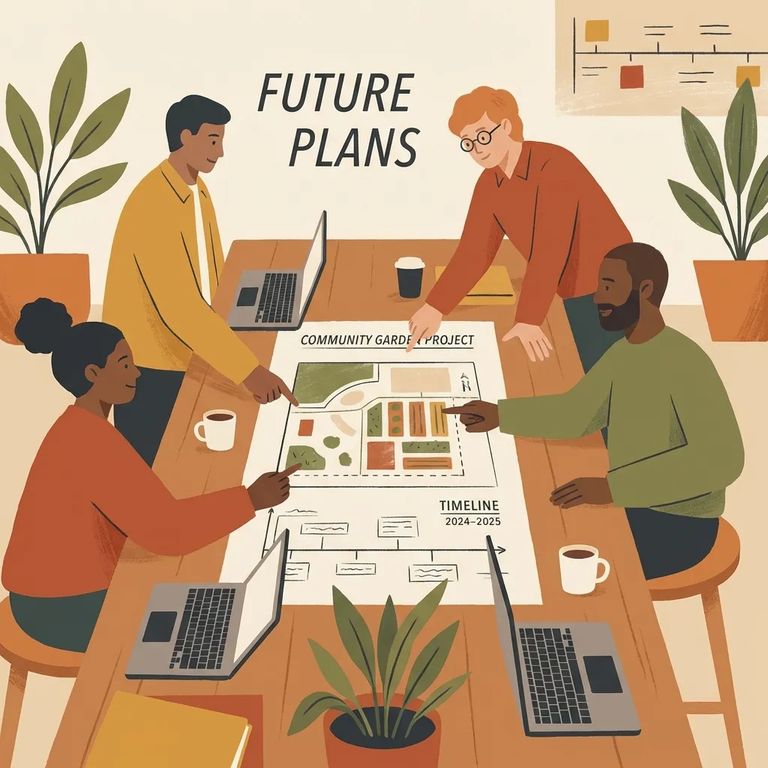
Motivation for Change (M4C) is a five-step cognitive curriculum based on the five phases of change. In plain terms, it helps someone move from "I'm not sure I want to do things differently" to "I'm building a plan and following through." This matters during reentry because motivation alone doesn't carry people through stress. What helps is learning where you are in the change process, what usually knocks you off track, and what supports keep you moving forward when life gets complicated.
- Start with readiness - identify where you are in the change process and what’s getting in the way.
- Build motivation - strengthen the reasons to change and reduce the pull of old patterns.
- Make a plan - turn goals into concrete steps you can actually follow.
- Put the plan into action - practice new thinking and behaviors in real situations.
- Maintain the change - focus on staying consistent and handling setbacks without giving up.
Detours focuses on changing criminal attitudes, values, and thinking patterns - and on strengthening the desire to change behavior. This kind of cognitive work can be uncomfortable. But it targets a real reentry problem: if someone returns to the same thought patterns that justified harmful choices before, the risk of reoffending stays high even when circumstances improve. By challenging those beliefs and replacing them with healthier thinking, Detours supports better decisions under pressure - at work, at home, and in stressful moments that used to lead to trouble.
Keep expectations realistic: Programs like Detours are about changing the “why” behind choices, not just the choices themselves. That shift can take time - and it often needs reinforcement after release through consistent routines and accountability.
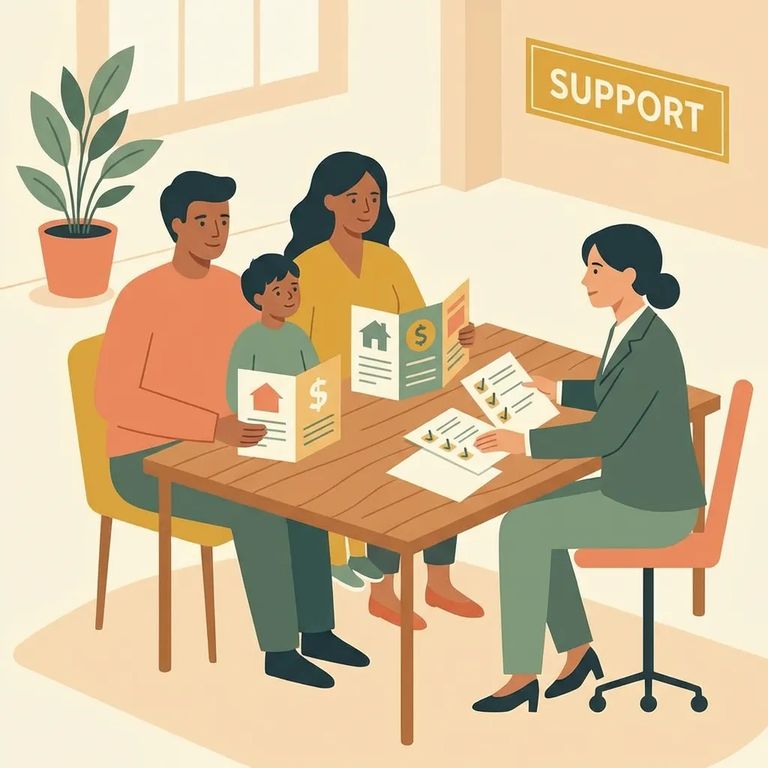
If your loved one is participating in Reentry Skills Building, your role can be simple but powerful: help them talk through what they’re learning and how they’ll use it outside. Ask about practical skills (like money management or organization) and relationship skills (like communication or boundaries), then look for small, realistic ways they can practice - during calls, visits, and planning for home. Support doesn’t mean “fixing everything”; it can mean reinforcing progress and encouraging follow-through.
- ✓ Which program are you in right now, and what are you working on this week?
- ✓ What’s one skill you practiced (organization, work habits, money, or relationships)?
- ✓ What situations feel like the biggest test for you after release?
- ✓ How can I support you in a way that helps - not pressures?
- ✓ What’s your plan to keep using these skills once you’re back in the community?
Find an Inmate at Smith Transitional Center
Search for a loved one and send messages and photos in minutes.