
What Happens During the Three Phases at Smith Transitional Center (Claxton, GA)
Smith Transitional Center runs a three-phase program designed to prepare residents for discharge or parole. Here's what happens in each phase—and what changes as your loved one moves from orientation to work eligibility to final reentry planning.

Georgia's Transitional Centers exist to protect the public while providing community residential services to people approaching discharge or parole. The focus is reentry: structured programming, accountability, and planning designed to help someone step back into the community on more stable footing.
Smith Transitional Center operates on the grounds of Smith State Prison in Claxton. With a capacity of 213 residents, it's a sizeable step-down facility where people progress through phases - each with specific requirements - before earning the next level of responsibility.
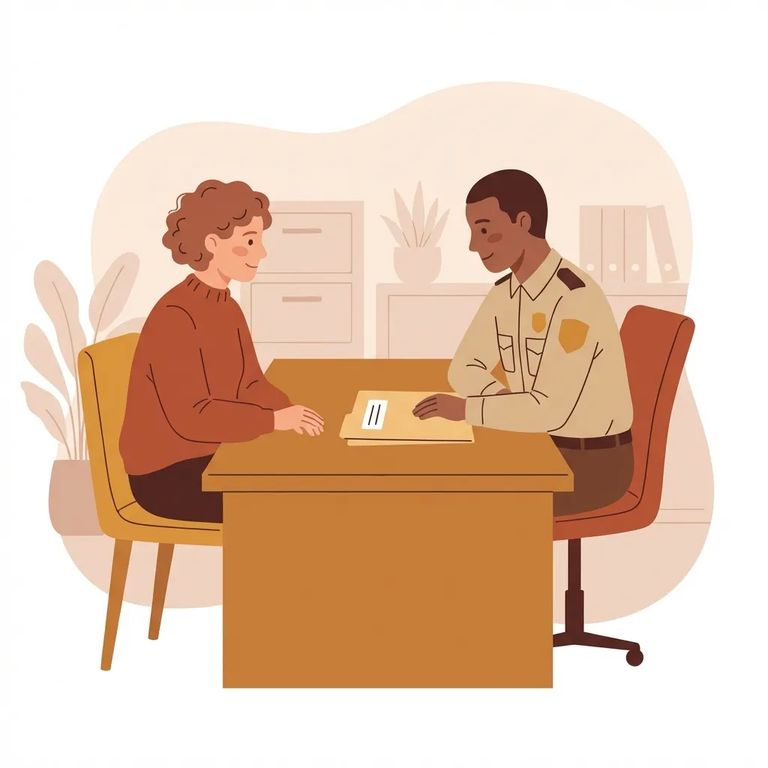
Phase I is the starting point. It kicks off with a one-week orientation where your loved one learns how the center operates and what's expected of them. During this phase, they'll also meet with an assigned counselor. These conversations focus on individual needs and result in a treatment/performance plan - a clear set of goals that will guide what they need to accomplish as they move forward.
- ✓ Four weeks of center sanitation detail
- ✓ Four weeks of Odyssey programming
- ✓ Three weeks of additional programming
Once Phase I is complete, residents go before a classification committee for review. Think of this as a formal checkpoint: the committee evaluates their performance and decides whether they're ready to advance. If they meet the criteria, they move to Phase II. If not, they may need more time to get back on track before they can progress.
Phase II is when community employment enters the picture. Residents can seek jobs outside the facility - a significant step that helps build routine, work history, and stability before release.
Phase III begins once a resident has met all program requirements. It's the final stage, unlocked only after completing the earlier benchmarks.
In Phase III, counselors develop individual reentry plans. This is the practical "what happens next" work - putting together a roadmap for the transition from the center back into the community.
The phases at Smith Transitional Center follow a clear sequence. Phase I starts with a one-week orientation and early programming. Once complete, your loved one appears before a classification committee for review. Advancement is performance-based. If the committee decides the criteria are met, the resident moves into Phase II. Phase III comes later - only after all program requirements have been fulfilled. It's less about hitting a calendar date and more about completing what each step demands.
What to watch for: In Phase I, completing the sanitation detail, Odyssey programming, and additional programming matters. Phase II brings a key shift - the ability to seek community employment. In Phase III, counselors focus on building a reentry plan for the transition back into society.
Questions
- ✓ Has my loved one completed the one-week Phase I orientation?
- ✓ Have they met with their assigned counselor to discuss needs and develop a treatment/performance plan?
- ✓ Has the classification committee review been scheduled yet (or already completed) after Phase I?
- ✓ Did the committee determine they meet the criteria to move into Phase II?
- ✓ In Phase II, are they currently allowed to seek employment in the community?
- ✓ Have all program requirements been met so Phase III can begin?
- ✓ What reentry plan is the counselor preparing to support discharge or parole transition?
Find an Inmate at Smith Transitional Center
Search for a loved one and send messages and photos in minutes.