
What Happens If an Attorney Contact Visit Is Denied at South Woods: Non-contact options and next steps
When a contact attorney visit gets denied at South Woods, that's not the end of it. NJDOC policy requires the facility to try to arrange a non-contact visit instead—as long as it works with security and operations.

A denied contact visit should open a door to an alternative, not slam shut entirely. Under NJDOC policy, when contact visits are refused, the facility is expected to make efforts to provide a non-contact visit - so long as it can be done consistently with the orderly operation of the correctional facility. Translation: ask staff what non-contact option can be set up right now, even if contact isn't happening for security or operational reasons.
Knowing the scheduling baseline helps. Attorneys (or attorney representatives) are required to give the incarcerated person's housing facility Administrator at least 24 hours' notice before the intended visit, either in writing or by telephone request. If contact was refused, check whether that 24-hour notice requirement was met. Missing it can affect whether staff have the person, space, and supervision ready for you.
There's one clear-cut reason visits get refused: banned-list status. Any attorney or attorney representative who appears on a Departmental "banned" list is not permitted to visit. If you're being turned away and nothing else explains it, ask directly whether a banned-list restriction is the reason. That would block the visit regardless of whether you requested contact or non-contact.
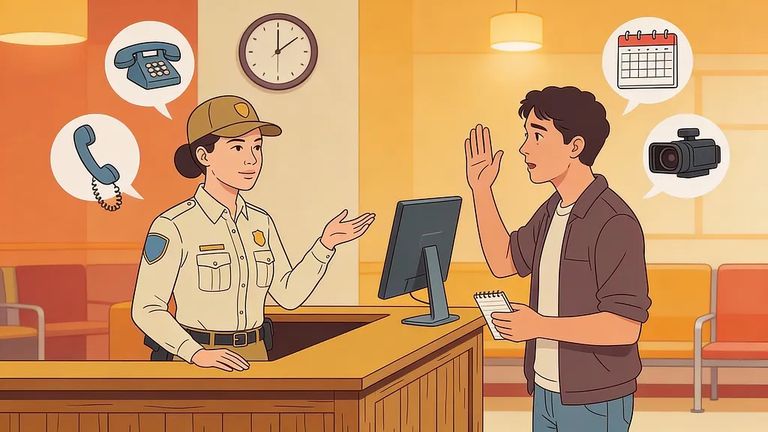
- Ask for the reason and the alternative - If staff say a contact visit is denied, ask what specific reason is being cited and request that efforts be made to provide a non-contact visit consistent with orderly operation.
- Confirm your 24-hour notice - Check whether your written notification or telephone request to the housing facility Administrator was made at least 24 hours before the intended visit. If not, ask what the soonest compliant time slot is.
- Request the non-contact visit immediately - Don’t wait for a later date if you have time-sensitive legal needs. Ask staff to arrange the non-contact visit as the substitute for the denied contact visit.
- Use videoconferencing if on-site access can’t happen - If the facility can’t accommodate a non-contact visit in person, request a videoconference.
- Fax the request on the required timeline - NJDOC’s videoconference process requires that requests be faxed to the appropriate institution and coordinator at least 48 hours before the requested day (not counting weekends and holidays).
- Loop in the NJDOC Videoconferencing Program if you need help coordinating - NJDOC maintains a central Videoconferencing Program (Office of Information Technology) that provides a mailing address, phone number, and fax number for arranging video conferences.
Tip: If a contact visit is refused, ask for the non-contact visit right away - and if that can’t be arranged, start the videoconference request process promptly so access isn’t delayed.
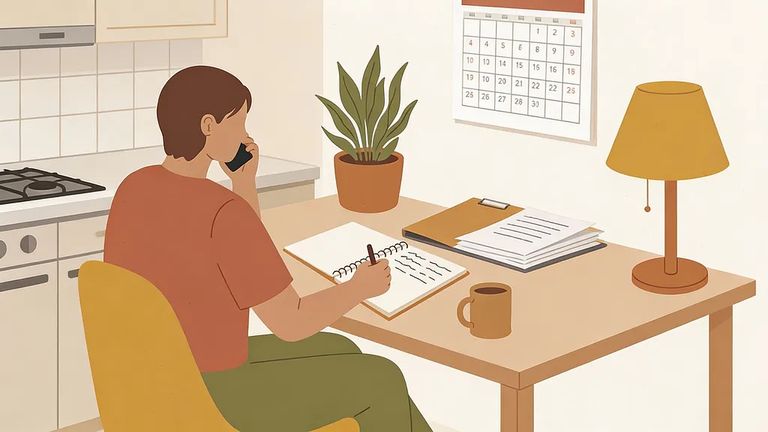
Documentation Remedies
- ✓ Write down the date and time you were denied, and who you spoke with.
- ✓ Record the reason you were given for denying contact, and whether any non-contact option was offered.
- ✓ Ask (politely) whether the attorney/representative is being treated as on a Departmental “banned” list.
- ✓ Request that the facility make efforts to provide a non-contact visit consistent with orderly operation.
- ✓ If you can’t get an on-site alternative, ask what you need to submit to move the matter to videoconference.
Think the denial is wrong - or that a banned-list issue is being applied in error? Document what happened and push for an alternative access method while the situation gets sorted out. For videoconferencing, NJDOC provides a central Videoconferencing Program (Office of Information Technology) with a mailing address, phone number, and fax number for arranging video conferences. Keep the timing rule in mind: videoconference requests must be faxed to the appropriate institution and coordinator at least 48 hours before the requested day, excluding weekends and holidays.
Find an Inmate at South Woods State Prison, NJ
Search for a loved one and send messages and photos in minutes.