
What Phone Restrictions Might Apply at Southern Desert Correctional Center (and How to Verify Them)
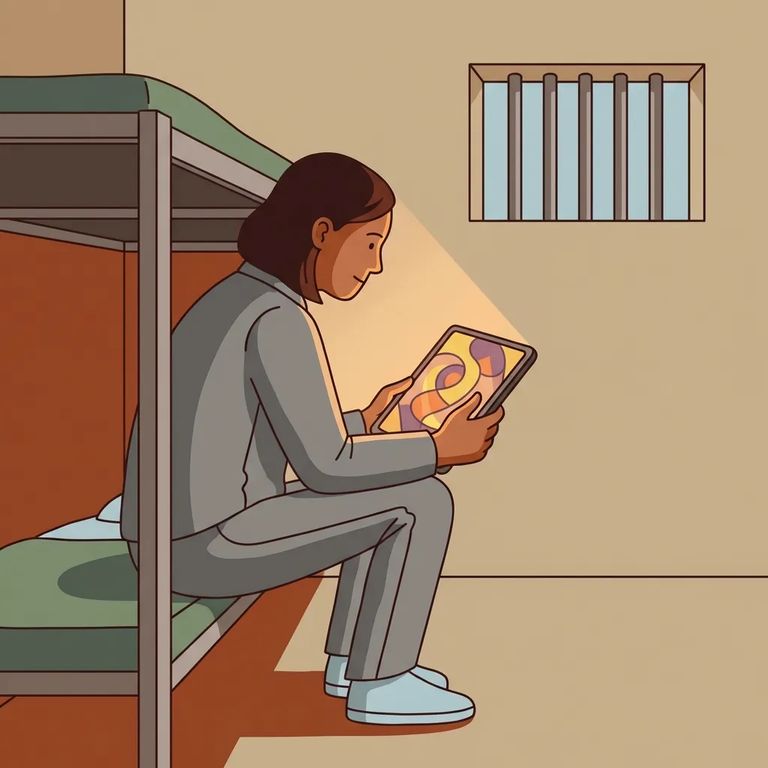
Phone access at Southern Desert Correctional Center (SDCC) comes with several layers of restrictions. Expect limits on when calls can be placed, how long each call can last, and potentially caps on the number of calls or total minutes allowed per month. Security controls are standard. NDOC monitors and records calls, and may require voice validation from the person incarcerated before calls connect. Certain number types - like 800 numbers - can be blocked entirely, and specific numbers may be blocked as well. Phone access isn't guaranteed either. NDOC can temporarily or permanently revoke phone privileges for disciplinary issues, gang affiliations, or even at the request of the person being called. To find out exactly what restrictions apply to your loved one at SDCC, contact the facility directly.
Note: For general information about NDOC facilities and services, you can contact the Family Services Division at (775) 977-5707. They can only provide general information and will not verify individuals via phone or email.
Two surprises catch families off guard most often: limits on minutes and limits on numbers. NDOC may cap total monthly minutes, the number of calls allowed, or how many phone numbers someone can call. If calls suddenly feel shorter or less frequent than expected, a minutes cap or facility schedule is usually the reason. Billing can also look different depending on how calls are set up. Traditional collect calls (when your local phone company permits them) may appear on your local phone bill. That account may be subject to a 90-day rolling spending limit and a monthly fee set by your provider.
Sometimes a call seems to fail before it connects, or certain numbers never ring at all. NDOC monitors and records calls and may require voice validation before the system allows a call through. Depending on how SDCC implements this, the person incarcerated may need to complete voice steps first. Number blocks are another common culprit. NDOC blocks certain number types (like 800 numbers) and may block specific numbers too. If your loved one says they're trying to call but nothing comes through, ask the facility which number types are blocked and whether your specific number can be used.
Watch for sudden changes: NDOC can temporarily or permanently revoke phone access for disciplinary problems, gang affiliations, or at the request of a called party. If calls stop abruptly, check for a facility-level restriction.

- Check the phone provider side first - NDOC uses Viapath Technologies for calling and account billing, and account or payment issues can look like “blocked calls.” You can fund and manage calling through Viapath’s IVR (automated phone system), the ConnectNetwork web portal, or by speaking with Viapath Customer Care.
- Call NDOC Family Services for general guidance - The Family Services Division can answer general questions about how facilities are run and how services work. Reach them at (775) 977-5707. They will not verify individuals via phone or email, but they can point you toward the right place to ask facility-specific questions.
- Contact SDCC to confirm the exact restrictions for your loved one - Ask about calling availability hours and any limits on call length. Then ask whether there are limits on the number of calls, the number of approved/usable phone numbers, or total monthly minutes. If you’re still troubleshooting, confirm whether calls are monitored/recorded and whether voice validation is required to place calls. Finally, ask what number types are blocked (for example, 800 numbers), whether your specific number is blocked, and whether there is any temporary or permanent denial of phone privileges due to disciplinary issues, gang affiliation concerns, or a called-party request.
Tip: Have your loved one's name, ID, and any account or payment details ready before calling. I'd start with the vendor if you suspect a billing or account block. Family Services can answer general process questions but won't verify an individual by phone or email.
If Calls Blocked
- ✓ Check whether the issue is account-related by reviewing/funding the Viapath calling account through the IVR system, the ConnectNetwork web portal, or Viapath Customer Care.
- ✓ If you’re using traditional collect calls (where your local phone company permits it), look for the charges on your local phone bill and ask your provider about any 90-day rolling spending limit or monthly fee tied to that account.
- ✓ Ask SDCC whether calls are monitored/recorded and whether voice validation is required to place calls.
- ✓ Confirm with SDCC whether your number type is blocked (for example, 800 numbers) or whether your specific number is blocked.
- ✓ If calls stopped suddenly, ask SDCC whether phone privileges have been temporarily or permanently denied due to disciplinary issues, gang affiliation concerns, or a called-party request.
If it seems facility-level: Contact SDCC to confirm whether there’s a restriction or denial affecting your loved one’s phone access. You can also call NDOC Family Services at (775) 977-5707 for general guidance, but they won’t verify an individual by phone or email.
Find an Inmate at Southern Nevada Corrections
Search for a loved one and send messages and photos in minutes.