
What's Actually in a Southport Inmate Case File (and What Families Can Access)
If you're trying to learn what's in the historical record for someone who did time at Southport, two questions matter: what the New York State Archives actually holds, and what they're allowed to share. Here's how these case files work—and what families can realistically request.
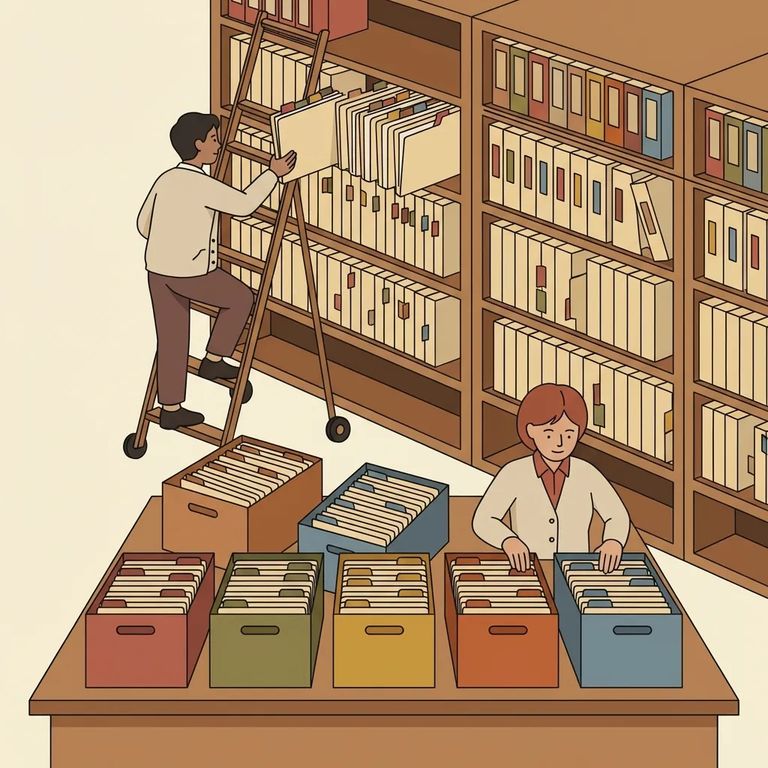
The New York State Archives holds a specific subseries of inmate case files within Series 14610 for men who were incarcerated at Southport Correctional Facility. Think of it as a collection of archived case files grouped around Southport. Knowing this subseries exists helps you confirm whether a record is on file - and from there, you can start figuring out what can actually be reviewed or copied.
These are inmate case files tied to Southport, held as part of Series 14610 at the State Archives. Families often hope a "case file" will answer every question. What you can actually see depends on disclosure rules and what's in the specific file. The best starting point: know that the Archives has a Southport-related subseries, then focus your request on what they can legally disclose from it.
Looking for the basics - confirmation-style details rather than sensitive material? The State Archives notes that summary information on adult inmates in these case files is disclosable under law. That's typically what families can access first, especially when piecing together a timeline or confirming core facts.
Beyond summary details, expect careful review. State Archives staff screen records containing probation, parole, medical, or juvenile criminal-history data, disclosing information pursuant to the Freedom of Information Law and the Personal Privacy Protection Law. Even if a document is physically in the file, staff may need to review it before release. Some portions may be withheld or redacted to comply with those laws.
Note: The identity of victims of sex crimes in these records is not disclosable.
There's also a broad time-based rule that matters for older records. Unless a specific law forbids disclosure indefinitely, all records must be disclosed after 75 years. That doesn't mean everything becomes instantly available without review - just that the default shifts toward release over time, unless an indefinite restriction applies.
5
- ✓ Make an appointment to view records - visits are by appointment only, and you’ll need to e-mail archref@nysed.gov or call (518) 474-8955 to schedule and reserve a table.
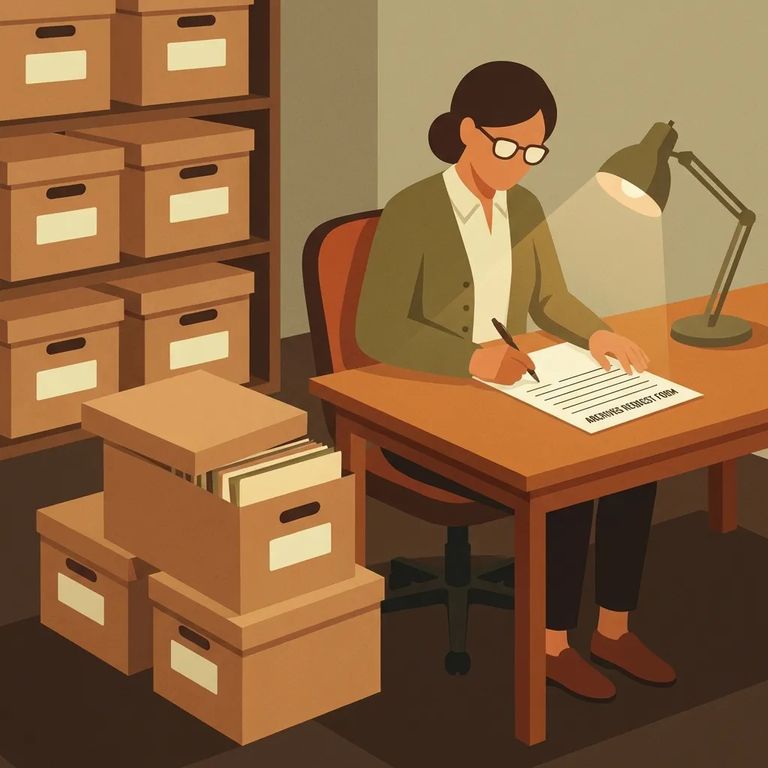
- ✓ Ask staff for the exact identifiers you need - consult Archives staff to obtain the container, file, case, item, or microfilm roll number (space 4) and the contents (space 5) for the New York State Archives Records Request/Reserve form.
Never requested Archives material before? The "consult staff" part isn't a brush-off - it's how you get your request processed correctly. Staff can help you pin down the container, file, case, item, or microfilm roll number and the contents you're requesting. You'll need those details to fill in spaces 4 and 5 on the Records Request/Reserve form.
- Ask what was reviewed or withheld - if something feels “missing,” start by asking Archives staff whether the file included probation, parole, medical, or juvenile criminal-history data that required review and disclosure under FOIL and the Personal Privacy Protection Law.
- Re-contact the Archives and schedule next steps - because visits are by appointment only, e-mail archref@nysed.gov or call (518) 474-8955 to clarify what can be requested next and, if needed, reserve another table for a follow-up visit.
Find an Inmate at Southport Correctional Facility
Search for a loved one and send messages and photos in minutes.