
What Gets Rejected: Travis County's Mail & Books Rules (What to Avoid Sending)
Getting mail returned is frustrating—and expensive. Here's how to avoid the most common reasons letters, photos, and books get rejected at Travis County facilities.
How to send messages, photos, and packages
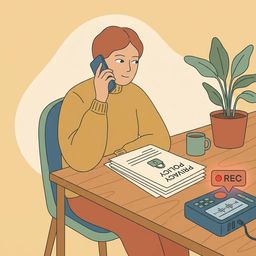
People in custody at Travis County State Jail can use GettingOut wireless tablets for video calls, messaging, education, and multimedia content. Having tablet or account trouble? GettingOut offers 24/7 customer support and publishes online help resources. For traditional phone calls, ViaPath Technologies handles services and prepaid calling accounts—setting up a prepaid account helps you control and plan calling costs. Deaf and hard-of-hearing inmates can place Video Relay Service (VRS) calls at no charge using kiosks in the housing units. Attorneys have a separate, free local call option, and registered attorney phone and video communications are not recorded.
Search for a loved one and send messages and photos in minutes.
Getting mail returned is frustrating—and expensive. Here's how to avoid the most common reasons letters, photos, and books get rejected at Travis County facilities.
To get your letter or card delivered, send it directly to the specific Travis County facility where the person is currently housed. If it’s mailed somewhere else (even within the same jail system), it can delay delivery or get kicked back.
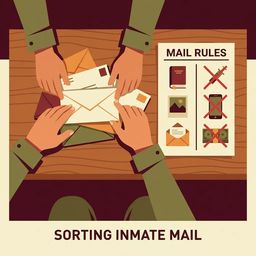
Mail rules feel picky, but they're predictable once you know what gets flagged. Here's how to address items correctly, avoid common contraband, and send books and photos without getting them returned.
GettingOut offers 24/7 customer service for tablet issues and lists help resources online. Start with the GettingOut help page for troubleshooting, or contact their support team for real-time assistance.
Deaf and hard-of-hearing inmates can use Video Relay Service (VRS) to place video calls at no charge. VRS is available through kiosks located in the housing units.
Attorneys can use a free local call option that isn't recorded. Calls are limited to one authorized business number and 20 minutes. Attorney phone and video systems require separate registration—once properly registered, those communications are not recorded.
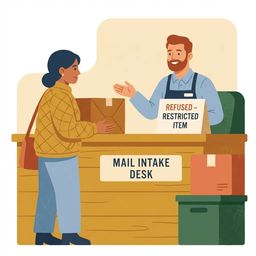
Mail must be sent directly to the inmate at the facility and should include the inmate’s full name, date of birth, and jail/booking number. Make sure your full return address is on every mailed item.
Yes, but certain types aren't allowed: photos over 8"x10", Polaroids, framed photos, photo albums, slides or negatives, and laminated photos. If you're unsure whether a photo meets the rules, check with the facility before sending.
Yes, but they must be mailed directly from a U.S. publisher, publication supplier, or a bookstore with a store hand stamp. Inmates can have up to two books and two magazines at a time.
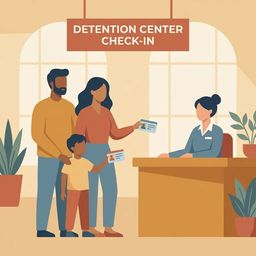
Bringing kids to a jail visit takes extra planning—especially when it comes to headcounts and IDs. Here's what Travis County allows for onsite visits, so you show up with the right people and the right documents.
Want to catch a video call from someone at TCCC?
Privileged, unrecorded calls with clients in Travis County custody require proper setup. You'll need to register correctly with each system the county uses—otherwise your number and attorney status won't be recognized.