
How California inmates become wildfire firefighters: selection, training, and what they do (includes base camp roles)
If your loved one is in California custody and you've heard they're connected to wildfire response, you probably have two questions: how do people get picked for this work, and what do they actually do? Here's a plain-language breakdown of selection, expectations, and the less-visible base camp jobs families often don't hear about.
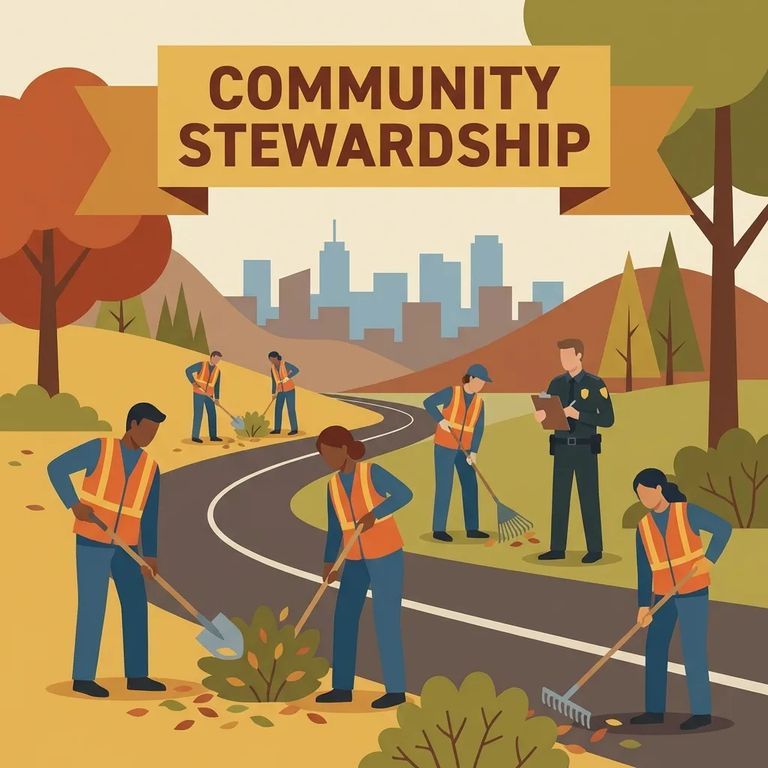
California uses incarcerated crews as part of its wildfire and emergency response effort, often through conservation fire camps and related assignments. Some people work the fire lines doing physically demanding field work. Others support the incident from behind the scenes at base camp. The details vary by program and incident, so knowing the big categories of roles helps before you start asking questions.
At least at Camp Ishi, placement has been described as "hand selected." KCRA reporting states that each inmate assigned to Camp Ishi is hand selected for the program, and camp leadership describes it as a privilege that not everyone meets the criteria for. That "hand selected" language matters because it signals camp placement isn't automatic, even if someone wants it. Selection practices can also differ from camp to camp, so what you hear about one location may not match another.
Tip: Don't assume a fire-camp assignment works like a standard job posting. If you're trying to understand how your loved one could be chosen, ask the facility whether camp placement is application-based, eligibility-list based, or done through a selection process like "hand selection."
KCRA's reporting on Camp Ishi sets a clear expectation for what crews should be capable of: inmate fire crews are expected to do everything a Cal Fire firefighter does. The bar is described as very high, and the work can be physically demanding. That said, the reporting doesn't lay out a full training curriculum, training hours, or specific certifications. If you want to know exactly what your loved one has been trained on, or how readiness is evaluated before deployment, you'll usually need to confirm through official channels tied to the program.
Note: "Expected to do everything a Cal Fire firefighter does" describes the duty expectation reported by KCRA, not a published training checklist. For specifics, ask CDCR or CAL FIRE what training and qualifications apply to your loved one's assignment.
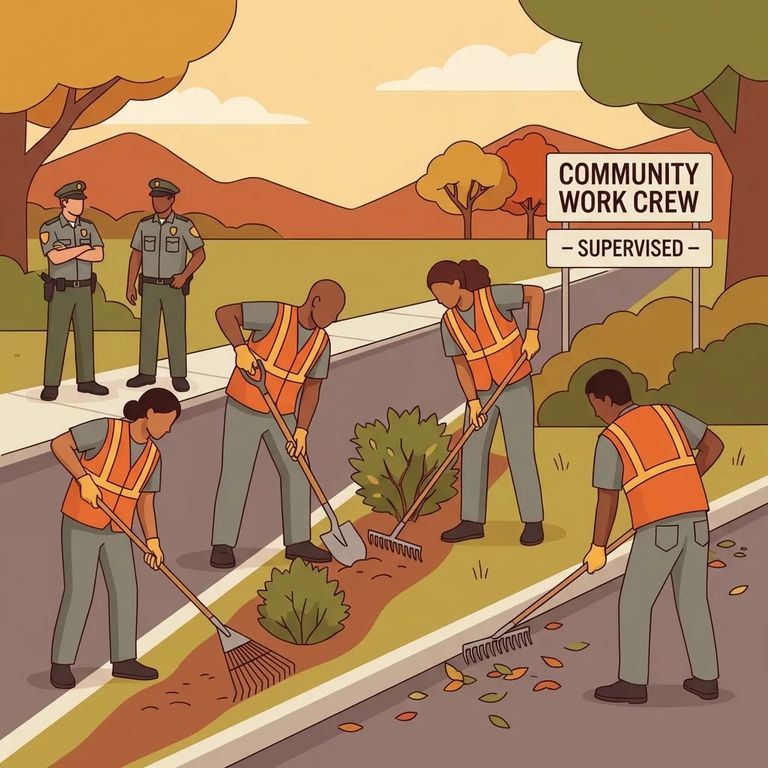
Not every wildfire job is out on the hill. Inmate crews have also been reported working behind the scenes to help run base camp operations. One concrete example: support for the Mobile Kitchen Unit, the kind of operation that keeps large crews fed during an incident. If your loved one says they're "at base camp," it helps to understand that base camp is the logistics hub for the whole incident. People assigned there may still be working long, physical shifts, but the tasks look very different from cutting line or working near active flame.
- ✓ Mobile Kitchen Unit support (reported as part of base camp operations), cooking meals for crews
- ✓ Base camp support work that keeps an incident running, duties can vary by assignment and by fire
- ✓ Fireline-style tasks may still be part of what some crews are expected to handle, depending on their role and where they are sent
Scale check: Reporting describes the Mobile Kitchen Unit cooking up to 4,000 meals for crews at base camp. That gives you a sense of how large and nonstop the "behind the scenes" work can be during a major incident.
Numbers get thrown around a lot during fire season, so it helps to separate "people" counts from "camps" counts. In one reported example, CDCR stated there are about 1,800 inmates working with local, state, and federal agencies to respond to emergencies like the Rabbit Fire.
A different number you may see refers to camps, not total staffing. KCRA identifies Camp Ishi as one of 30 labor camps in the state. That doesn't mean 30 people are involved. It's the number of camps, which is a completely different way of counting the program.
Verify current numbers: Totals shift over time and during active incidents. If you need the most current count or an accurate picture of who is deployed where, confirm through CDCR or CAL FIRE information channels tied to the incident.

- Start with the facility, not rumors - Ask whether your loved one is assigned to a fire camp, a fire crew, or a base-camp support role, and whether they are currently deployed.
- Get the assignment terms in plain language - Ask what the assignment is called and what it generally involves (for example, field work versus base camp support).
- Ask what changes for communication - Find out whether phone access, mail processing, or scheduled calls change during deployment or training periods.
- Request the best way to receive updates - Ask who families should contact for status checks and how often the facility recommends checking in.
- Write down names and dates - Keep a simple log of who you spoke with, when, and what they told you. It helps when information changes quickly during fire activity.
- Confirm before sharing publicly - If you hear something through friends or social media, verify it with the facility or official incident information before you repeat it to other family members.
Safety note: Social media can move faster than accurate information during an active fire. For anything that affects your loved one’s status, rely on official channels for confirmation.
If your loved one is deployed, expect routine to change. Schedules shift quickly during an incident, and that can affect when they can call, when mail is processed, and how specific staff can be about timelines. Prepare yourself for uncertainty around duration, too. Wildfire assignments can be extended, shortened, or redirected depending on conditions on the ground. If you need clarity, your best move is to ask the facility what they can share about expected timeframes and what triggers a return.
Ask directly: Find out what the facility's process is for notifying family in an emergency, and who to contact if you're worried about health or safety while your loved one is assigned to fire work.
Find an Inmate at Trinity River Conservation Camp
Search for a loved one and send messages and photos in minutes.