
Can You Email an Inmate at Tygart Valley Regional Jail? What 'Email' Means and How to Check
Trying to
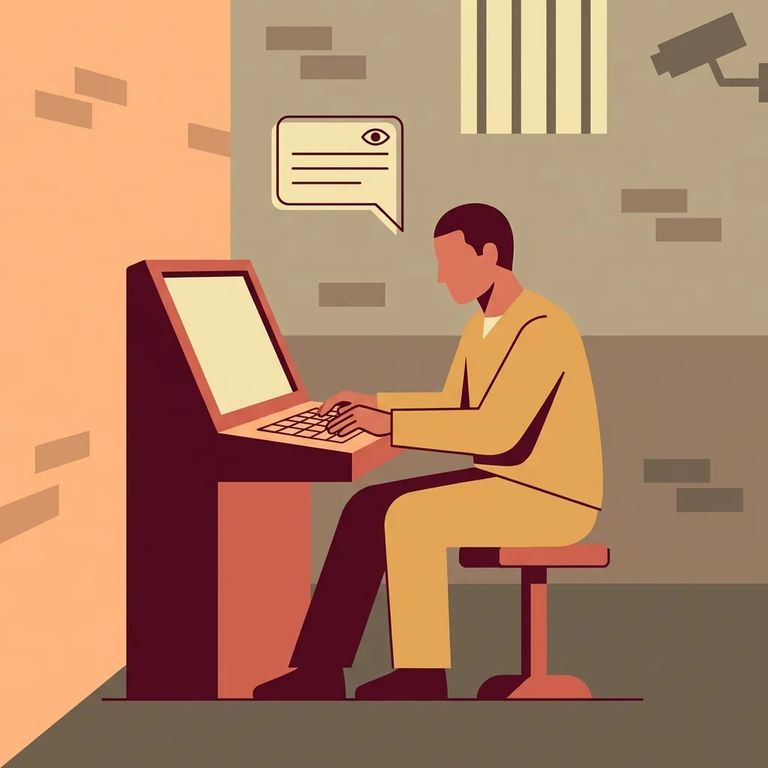
In jails and prisons, “email” usually means electronic messaging inside a closed system, not sending a message from your Gmail or Yahoo account straight to the person’s inbox. These systems are designed for corrections settings, so messages go through a vendor platform and are delivered to the incarcerated person through kiosks, tablets, or printed delivery - depending on how that facility runs it. Some facilities allow two-way messaging (you can send and they can reply), while others are more limited (for example, you can send messages in, but replies may be restricted or handled differently). That’s why the word “email” can be misleading: you’re really using a paid, monitored messaging service with facility-specific rules, not normal open internet email.
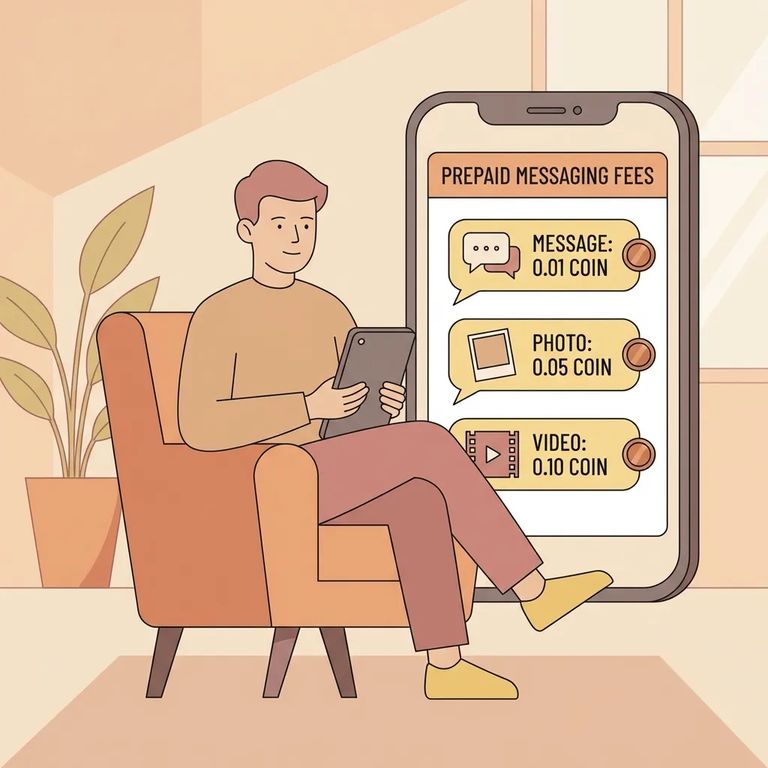
Electronic messaging in custody is often provided by private companies that also run other services for the same facility. Messaging may be bundled with things like video visitation, phone calls, tablets, music, or commissary-style account funding. Instead of “free email,” you’ll often see a pay-per-message model, a “stamp” system, or charges tied to extras like photos and attachments. The exact setup depends on the vendor contract and the facility’s policies, so the same app or vendor name can work differently from one jail to another.
- ✓ Messaging may be part of a larger package (phone, video visits, tablets, etc.)
- ✓ You may pay per message or buy “stamps/credits” to send messages
- ✓ Photos and attachments can cost extra (or be restricted)
- ✓ Payments may run through an online account, prepaid balance, or other approved funding method
To make this more concrete, here’s how one well-known vendor describes its service. JPay markets its messaging as a faster way to stay in touch than traditional mail, and it commonly uses a stamp/credit system where you purchase stamps to send messages. Some facilities that use similar platforms also allow paid add-ons like sending photos (and in some places, other attachments). The key detail is that vendor features aren’t universal: even if a company advertises a certain option, your loved one can only use what Tygart Valley and its vendor contract actually allow.
Electronic messages in custody are not private in the way personal email or texting is. Facilities typically monitor and retain messages, and they can be reviewed for safety, security, and rule enforcement. Even in federal systems like TRULINCS (often cited as an example of how correctional email works), the expectation is clear: messages can be screened and stored. If you’re writing anything sensitive, assume it may be read later, and write with that in mind.
Cost and access can also change how reliable messaging feels. Some people can message often because they can afford stamps/credits; others can’t. And if messages violate facility rules - whether that’s prohibited content, attempts to coordinate rule-breaking, or harassment - messaging privileges can be limited, suspended, or used as part of disciplinary action. If your loved one suddenly stops responding, it doesn’t always mean they’re ignoring you; their access may have changed.
Note: Treat jail “email” like monitored mail, not private messaging. Fees and rule violations can also affect whether messages go through or whether your loved one can reply.
- Check the official Tygart Valley Regional Jail information channels - Look for a section on inmate communication, tablets, messaging, or services provided by a vendor.
- Call the facility and ask who handles electronic messaging - The right point of contact is often records, inmate accounts/commissary, or visitation/communications (names vary by facility).
- Ask for the vendor name and the exact service label - “Email,” “messaging,” and “tablet messages” can mean different things; get the official term and the company behind it.
- Confirm whether it’s two-way - Ask whether the incarcerated person can reply, and whether replies require their own credits or are restricted by housing status.
- Verify costs and how you pay - Ask if the system uses stamps/credits, what a typical message costs, and whether photos/attachments are allowed and priced separately.
- Ask about delivery timing and moderation - Find out whether messages are screened before delivery and whether delays are common.
- Write down the rules before you send anything - Get a quick summary of prohibited content and what happens if a message is rejected or privileges are suspended.
- ✓ What vendor/app is used for electronic messaging at Tygart Valley Regional Jail?
- ✓ Is messaging two-way (can the incarcerated person reply)?
- ✓ Do messages require stamps/credits? What does one message cost?
- ✓ Are photos or attachments allowed? Do they cost extra?
- ✓ How does the incarcerated person access messages (kiosk, tablet, printed delivery, etc.)?
- ✓ Are messages screened before delivery, and are they stored/retained?
- ✓ Can messaging be restricted by housing unit, classification, or disciplinary status?
- ✓ What should I do if my message is rejected or never delivered?
If Tygart Valley doesn’t offer electronic messaging - or if it’s too expensive or too limited - there are still other ways to stay in contact. Traditional mail is the most common fallback, and many facilities also rely heavily on phone calls and, in some cases, video visitation. One thing to watch for: vendors sometimes bundle communication options, so the same company that offers messaging may also be the gatekeeper for phone or video services, each with its own pricing and rules. Before you commit money to any platform, confirm what’s actually available for your loved one’s housing unit and status.
- ✓ Send a letter through postal mail (confirm addressing rules and any content restrictions)
- ✓ Use phone calls (ask how accounts are funded and what rates apply)
- ✓ Ask about video visitation (scheduling rules, ID requirements, and costs)
- ✓ If a vendor is involved, confirm which services are bundled and which are separate charges
Find an Inmate at TYGART VALLEY REGIONAL JAIL
Search for a loved one and send messages and photos in minutes.