
Mail scanning: What families of someone at Tygart Valley Regional Jail should know
Mail scanning changes what your loved one actually receives when you send a letter or photo. Here's how it works in jails, what to ask, and how to protect anything you can't afford to lose.

"Mail scanning" means your letter gets opened and copied or digitized. The person in custody receives a printed copy or electronic version - not the original. This practice has spread across jails and prisons nationwide, often through contracts with third-party vendors that process mail off-site or in a dedicated mailroom. For families, the biggest practical change is this: sentimental originals - handwritten letters, children's drawings, photos, greeting cards - may never come back once they're scanned.
Scanned mail typically gets delivered one of two ways. Some facilities photocopy everything and hand over printed pages (sometimes with a copy of the envelope, sometimes without). Others upload the pages to a digital system for viewing on a tablet or kiosk - which affects how quickly someone sees it and whether they can keep it. A common feature: original mail may be stored briefly or destroyed after processing. Don't assume your loved one will ever hold the actual paper you sent.
Mail scanning often comes bundled with other vendor services - electronic messaging, tablets, video visitation. That bundling creates incentives to push people away from traditional mail toward paid electronic options, even when families prefer paper letters. In practice, it can feel like a shift from "send a letter with a stamp" to "use a platform," complete with fees and account rules that don't exist with regular postal mail.
Scanning is usually framed as a safety measure - a way to reduce drugs entering through mail. But the evidence is mixed and limited. Some early reviews have questioned whether scanning programs actually reduce overdoses or drug use inside facilities, and results are hard to separate from other changes happening at the same time (staffing, searches, medical response). For families, the takeaway is straightforward: even if scanning is presented as a safety fix, it comes with real tradeoffs - privacy concerns, loss of originals, and higher communication costs.
S5
- ✓ Send copies of anything you can’t replace (photos, kids’ artwork, handwritten originals) until you confirm the jail’s exact mail handling
- ✓ Keep a “mail log” (date sent, what you sent, and the address you used) so you can track patterns if items don’t arrive
- ✓ Photograph or scan the letter and enclosures before mailing, especially if the contents matter emotionally or legally
- ✓ If you’re sending time-sensitive information, mail early and consider using a trackable mailing option so you can confirm delivery
- ✓ Put the incarcerated person’s full name and any required identifying information clearly on the envelope to reduce delays from sorting errors
- ✓ Avoid extras that often trigger rejection or delays in scanning systems (glitter, stickers, perfume, lipstick marks, layered paper crafts)
- ✓ For legal or official paperwork, ask first whether originals are required and where they must be sent (mailroom vs. legal mail process)
- ✓ If something is rejected or never shows up, ask your loved one what they were told and write down the date and the staff response
Don't assume Tygart Valley Regional Jail's policy based on what another jail does - or even what worked last month. Mail rules change, and different types of mail (personal vs. legal) can be handled differently. Treat every original as potentially unrecoverable until you have the policy in writing. Keep your own records: photos of what you sent, receipts, and any emails or notes from phone calls.
Reminder: If a court, attorney, or agency needs an original document delivered, follow the jail’s verifiable instructions for legal/official mail - even if you normally send only copies.
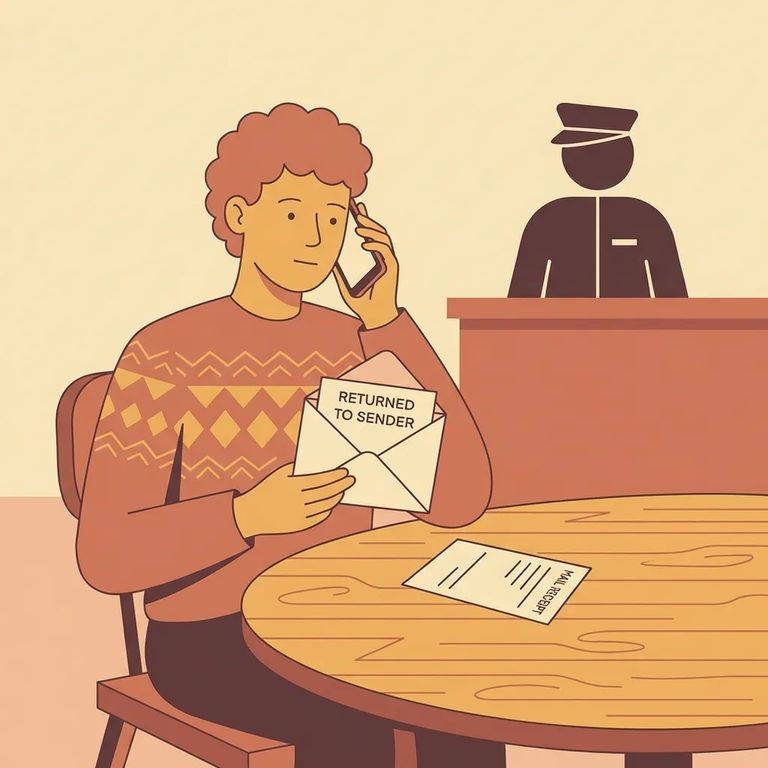
- Call the jail and ask for the mailroom - If the person who answers can’t help, ask for whoever oversees incoming mail processing.
- Ask the direct question - “Do you scan or photocopy incoming personal mail, or does the person receive the original?”
- Confirm the delivery method - “If it’s scanned, do they receive printed copies, or do they view it digitally on a tablet/kiosk?”
- Ask what happens to originals - “Are originals stored, returned, or destroyed? If stored, for how long, and can the incarcerated person request them?”
- Check for a third-party vendor - “Is a vendor handling the scanning? If yes, which company, and is mail processed on-site or off-site?”
- Separate personal mail from legal mail - “Is legal mail treated differently, and what address or process should attorneys use?”
- Request the written rule - “Can you email or mail me the current mail policy, or tell me where I can get a copy in writing?”
- Write down what you learn - Note the date, the name/title of the person you spoke to, and their answers so you can refer back if something goes missing.
Get verification you can save. An emailed policy, a PDF of the mail rules, or even a short email from staff confirming "we scan mail and destroy originals after X days" gives you something concrete. If a vendor is involved, ask for the program name and any public instructions families should follow. Keep screenshots, emails, and notes together - especially if you're resolving missing mail or need to prove you sent something by a certain date.
Tip: If you can’t get a clear answer, document that too (who you contacted and what they said) and consider escalating your question to the agency that oversees the jail or a formal complaint/ombuds channel.

If Tygart Valley is scanning mail, staying connected may mean mixing methods: regular postal mail (even if it arrives as a copy), phone calls, and whatever electronic messaging or video options are available. The hard part is cost. Scanning programs are often tied to vendor-run systems with per-message fees, account funding requirements, or device access limits - expenses you don't face when you're just buying stamps and envelopes. If you're trying to keep contact steady on a budget, compare the real monthly total of electronic communication against what you'd normally spend on mail.
- ✓ Compare per-message or per-minute charges (electronic messages, phone calls, video visits) against what you spend on postage
- ✓ Ask whether there are extra fees to fund an account (processing fees, minimum deposits, or “convenience” fees)
- ✓ Check whether your loved one needs a tablet/kiosk to read scanned mail and whether access is limited by housing or schedule
- ✓ Track one month of communication costs (every deposit and fee) so you can budget based on real numbers
- ✓ If you’re paying for multiple channels, decide what matters most (daily short messages vs. fewer longer calls) and shift funds accordingly
Find an Inmate at TYGART VALLEY REGIONAL JAIL
Search for a loved one and send messages and photos in minutes.