
What Mail and Publications Inmates Can Receive at USP Beaumont — and why items get rejected
Mail rules at USP Beaumont can feel strict—especially when you're trying to send reading material or anything beyond a simple letter. Here's how the Bureau of Prisons categorizes mail, what gets inspected, when packages are allowed, and the most common reasons publications get rejected.
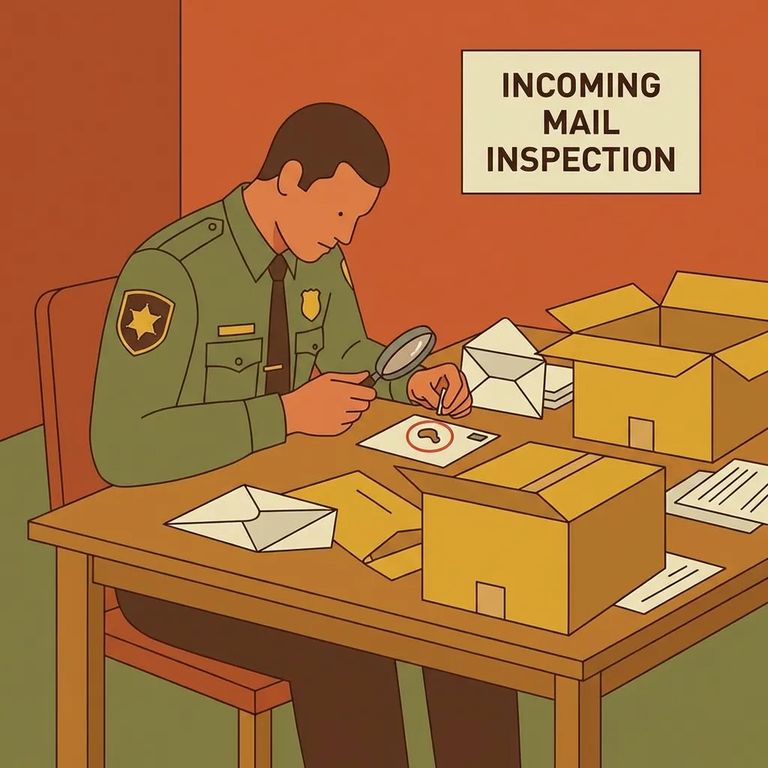
At USP Beaumont, written correspondence falls into two categories: general mail and special mail. General mail covers the everyday stuff - letters, cards, routine correspondence. Staff open and inspect it. They're looking for physical contraband and screening out content that could threaten the security or good order of the institution.
Special mail gets extra handling protections, but only if it's clearly marked as special mail. When properly marked, incoming special mail can only be opened in the inmate's presence. Staff still inspect it for physical contraband and verify that any enclosures actually qualify - legal correspondence is a common example where this designation matters.
Thinking about sending a package from home? Plan on "no" unless you have prior written approval. Inmates may not receive packages from home without advance written permission from the unit team or other authorized staff. The only exceptions: release clothing and authorized medical devices. Everything else requires that approval first.
Publications work differently than personal packages. Generally, inmates can subscribe to or receive publications without prior approval - unless a statute prohibits it. The catch: incoming publications are screened and can be restricted if they're considered detrimental to security, discipline, or good order, or if they might facilitate criminal activity.
Here's where families often get tripped up: the "who can send it" rule. Hardcover publications and newspapers must come from the publisher, a book club, or a bookstore. Forward a hardcover or newspaper from your home address, and it's likely to be rejected - simply because it didn't come from an approved source.

Rejection Reasons
- ✓ Depicts or describes procedures for constructing or using weapons
- ✓ Depicts or describes procedures for constructing or using ammunition
- ✓ Depicts or describes procedures for constructing or using bombs
- ✓ Depicts or describes procedures for constructing or using incendiary devices
- ✓ Depicts, encourages, or describes methods of escape from correctional facilities
- ✓ Contains blueprints, drawings, or similar descriptions of Bureau of Prisons institutions
- ✓ Depicts or describes procedures for brewing alcoholic beverages
- ✓ Depicts or describes procedures for the manufacture of drugs
- ✓ Is written in code
- ✓ Depicts activities that may lead to physical violence
- ✓ Describes activities that may lead to physical violence
- ✓ Encourages activities that may lead to physical violence
- ✓ Depicts activities that may lead to group disruption
- ✓ Describes activities that may lead to group disruption
- ✓ Encourages activities that may lead to group disruption
- ✓ Encourages criminal activity
- ✓ Instructs in the commission of criminal activity
- ✓ Sexually explicit material that, by its nature or content, poses a threat to the security, good order, or discipline of the institution
- ✓ Sexually explicit material that facilitates criminal activity
Even allowed publications go through institutional screening. A publication can still be rejected if it's deemed detrimental to security, discipline, or good order - or if it might facilitate criminal activity. If that happens, administrative remedy procedures exist to challenge the decision. The easiest approach? Control what you can up front. Send publications through approved channels when required (hardcover books and newspapers from a publisher, book club, or bookstore) and avoid content that clearly falls into rejection categories.
Find an Inmate at USP Beaumont,TX
Search for a loved one and send messages and photos in minutes.