
What You Can — and Can’t — Mail to an Inmate at USP Florence ADMAX
Mail rules at USP Florence ADMAX are strict—there's no sugarcoating it. The key things to understand: how the Bureau of Prisons distinguishes
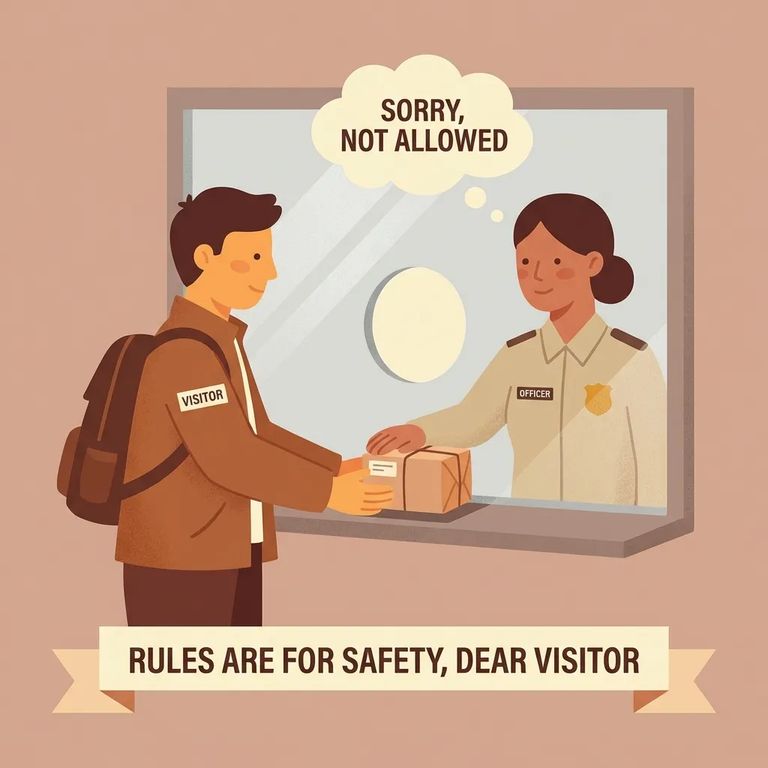
Written correspondence sent to someone at USP Florence ADMAX falls into one of two categories: general mail or special mail. Knowing which category your letter fits into matters, because it affects how staff can handle it before the inmate receives it.
General correspondence is treated like regular incoming mail. Staff can open it and inspect it - not just for physical contraband, but also for content that could threaten the security or good order of the institution.
Special incoming mail has to be specially marked as special mail. When it qualifies, it can only be opened in the inmate’s presence, and even then it may still be inspected for physical contraband (and to confirm that any enclosures actually qualify as special mail).
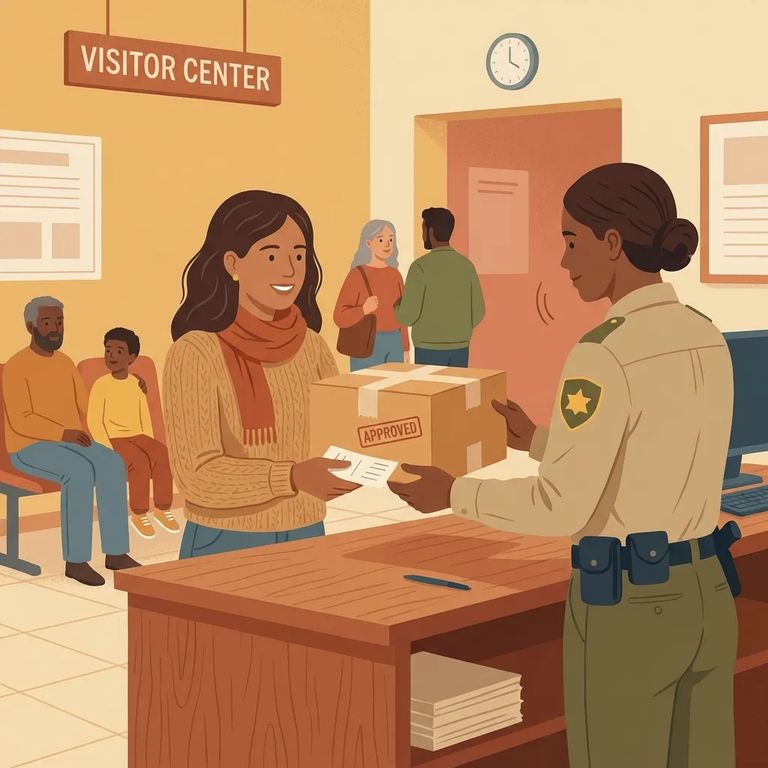
For packages, the default answer is usually “don’t send it.” Inmates are not allowed to receive packages from home unless there’s prior written approval from the inmate’s unit team or another authorized staff member at the institution.
- ✓ Release clothing
- ✓ Authorized medical devices
If you want to send reading material, pay close attention to where it’s coming from. Hardcover publications and newspapers can be received only if they’re sent from the publisher, a book club, or a bookstore.
At medium security, high security, and administrative institutions - including ADMAX - the same “approved source” rule also applies to softcover publications. That includes things like paperback books, newspaper clippings, magazines, and similar items: they must come from the publisher, a book club, or a bookstore. (At minimum and low security institutions, softcover items other than newspapers may be received from any source, but ADMAX follows the stricter standard.)
Even when a book or magazine is sent the right way, it can still be rejected. The Warden may reject a publication only if it’s determined to be detrimental to the security, good order, or discipline of the institution, or if it might facilitate criminal activity. What the Warden can’t do is reject something solely because it’s unpopular or because of a particular viewpoint.
Watch-outs that commonly get publications rejected: material that shows how to construct or use weapons, details methods of escape (including blueprints or drawings of facilities), explains how to manufacture drugs, or is written in code.
When commercially published material can’t be distributed because of statutory restrictions or policy limits (for example, certain sexually explicit material), the Warden or a designee is required to return the material to the publisher or sender.
If something is rejected, the decision is supposed to track the BOP’s security-based standards - whether the item could harm safety, order, discipline, or facilitate criminal activity, not whether someone dislikes the viewpoint. And when the material can’t be issued, it’s handled as non-deliverable and returned to the publisher or sender by the Warden or designee.
Find an Inmate at Usp Florence Admax
Search for a loved one and send messages and photos in minutes.