
Filing a Grievance in North Carolina Prisons: Steps, Timeline, and What Families Can Expect
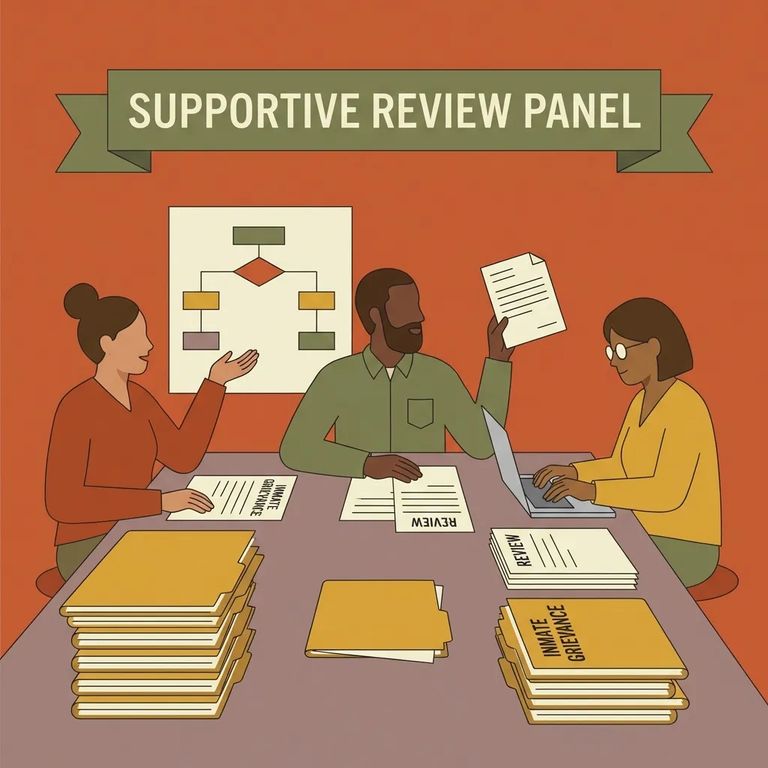
Grievance appeals in North Carolina prisons ultimately reach the Inmate Grievance Resolution Board. This Board handles all appeals filed through the Administrative Remedy Procedure under Article 11A of Chapter 148 of the North Carolina General Statutes.
If your loved one reaches that final appeal stage, knowing who's on "the Board" helps. The governor appoints five members to serve staggered four-year terms.
No one should have to guess how grievances work. When someone enters a North Carolina correctional facility, they receive both written notification and a verbal explanation of the process.
- Submit a written grievance - this is the starting point for the Administrative Remedy Procedure.
- Go through initial screening - a facility screening officer reviews the grievance and tells the person in custody whether it’s accepted or rejected for processing.
- If accepted, get a Step 1 review and investigation - the grievance is assigned to a designated staff member to review the complaint and investigate the facts.
- Receive a written Step 1 response within 15 days - the designated staff member must file a written response with supporting documentation within 15 days.
At Step 2, the appeal goes to the facility head (or their designee). They have 20 days to review the Step 1 findings, conduct any additional investigation needed, and provide a written response.
At Step 3, the facility electronically sends the appeal to the Inmate Grievance Resolution Board. A grievance examiner reviews the case and may investigate further or attempt mediation. The process can end with the Board issuing an order.
Deadlines matter. With some exceptions, grievances must be filed within 90 days of the incident. If your loved one is considering filing, sooner is better - waiting too long can close the door on the grievance system entirely.
Note: Both state and federal law require incarcerated people to exhaust administrative remedies before filing a lawsuit against the state of North Carolina, the NC Department of Adult Correction, or its employees.
Note: In North Carolina, all information relating to an inmate grievance is confidential under state law and is not considered public information.
For families, confidentiality is often the biggest surprise. Even as your loved one's closest support, you won't have direct access to grievance information. North Carolina law treats it as confidential - not public record. The agency and the Board generally can't share specifics with you: whether a grievance was filed, what happened, or how it turned out. Even at Step 3, when the Board handles the appeal, these privacy rules apply. You'll typically need to rely on what your loved one shares directly.
Find an Inmate at Warren Correctional Inst., NC
Search for a loved one and send messages and photos in minutes.