Quick Navigation
How to contact an inmate at Wisconsin Secure Program Facility
This comprehensive guide will walk you through how to connect with an inmate at Wisconsin Secure Program Facility. Follow the steps below to find an inmate and send letters and photos:
- Search for the inmate using our search tool below
- Create your account or log in to Penmate
- Write your message (up to 6,000 characters)
- Send instantly - inmates receive printed copies daily
Find an Inmate
Search for an inmate to start communicating today
Tip: You can search by first name, last name, or inmate ID number
To contact a person at Wisconsin Secure Program Facility start by searching for the person on the official facility website. Perform a search by following these steps:
- Step 1: Enter their first name and last name into the search form and click "Search"
- Step 2: Locate their inmate record
- Step 3: Write down their Inmate ID and any housing information provided
Important! Be sure to enter the person's full name. Nicknames should not be used.
How to Send Messages to Inmates

You can use your phone or computer to send emails, letters, and photos to an inmate. Messages are sent electronically to inmate tablets or kiosks at the facility. If you would like to send a message, start by searching for an inmate at Wisconsin Secure Program Facility.
Sending Photos and Postcards

A great way to send love and support to a loved one at Wisconsin Secure Program Facility is to send photos and postcards. It only takes a few minutes to send photos from your phone and it makes a huge difference. You can also mail postcards with words of support and inspiration, or design your own postcard for special moments like birthdays and holidays.
Important! Be sure not to send any explicit photos or they may not be approved by the facility. You can also use a photo printing app like Penmate to make sure your photos are printed at the correct size (4x6 or 3x5) and are mailed according to the rules and regulations of Wisconsin Secure Program Facility.
Frequently asked questions about Wisconsin Secure Program Facility
-
How long does it take to deliver a message?
If you're sending an email message your letter is usually delivered within 24-48 hours. For messages sent via mail you should expect delivery within 3-7 days. All messages will need be approved by Wisconsin Secure Program Facility.
-
How much does it cost to send a message to Wisconsin Secure Program Facility?
You can send a message free using your phone or mail a message via USPS for the price of a $0.60 stamp and envelope. You can also purchase credits or e-stamps from services starting at $1.99.
-
What services can I use to contact an inmate at Wisconsin Secure Program Facility?
Penmate
You can use Penmate to send letters and photos to an inmate from your phone. It's an easy way to stay in touch during your loved one's incarceration. Use the inmate locator to find an inmate's location and contact information, then you can send messages within a few minutes.
Securus messaging
Securus may be another option for communicating with an inmate at Wisconsin Secure Program Facility. You can create a friends and family account and purchase credits to send messages. All messages will be reviewed and must be approved by the facility.
JPay
Some county jails and state prisons may support sending messages with JPay. You must register an account with the system, find your loved one, and purchase stamps to send messages. For some locations you can also attach photos.
Smart Jail Mail
You may also check if Smart Jail Mail is available at Wisconsin Secure Program Facility. Smart Jail Mail is operated by Smart Communications and has contracted with some state and county jails. After purchasing credits, your messages and photos are sent to the facility, printed out, and then handed out to your loved one.
-
What is the mailing address of Wisconsin Secure Program Facility?
Mailing address:
Wisconsin Secure Program Facility
1101 Morrison Dr
Boscobel, WI 53805
Phone: (608) 375-5656 -
What are the visiting hours at Wisconsin Secure Program Facility?
Visiting hours at Wisconsin Secure Program Facility vary by housing unit and security level. Generally, visits are scheduled on weekends and holidays, with some facilities offering weekday visits. Contact the facility directly at (608) 375-5656 or check their website for the current visiting schedule. Visits typically last 30-60 minutes and must be scheduled in advance.
-
What items are prohibited when sending mail to Wisconsin Secure Program Facility?
Prohibited items typically include: cash, personal checks, stamps, stickers, glitter, glue, tape, staples, paperclips, polaroid photos, musical or blank greeting cards, hardcover books, magazines with staples, and any items containing metal or electronics. Only send letters on plain white paper with blue or black ink. Photos must be printed on regular photo paper (no Polaroids). Always check with Wisconsin Secure Program Facility for their specific mail policies.
-
How do I send money to an inmate at Wisconsin Secure Program Facility?
You can send money to an inmate at Wisconsin Secure Program Facility through several methods: 1) Online using JPay, Access Corrections, or the facility's approved vendor, 2) Money orders mailed directly to the facility with the inmate's name and ID number, 3) Kiosks located in the facility lobby, or 4) Over the phone using a credit or debit card. Fees vary by method, typically ranging from $2.95 to $11.95 per transaction.
-
Can I schedule a video visit with an inmate at Wisconsin Secure Program Facility?
Many facilities now offer video visitation as an alternative to in-person visits. At Wisconsin Secure Program Facility, video visits may be available through services like Penmate, Securus Video Connect, GTL, or ICSolutions. Video visits typically cost $10-20 for 20-30 minutes and must be scheduled in advance. You'll need a computer or smartphone with a camera and reliable internet connection. Contact the facility for their specific video visitation policies and approved vendors.
-
What identification do I need to visit an inmate at Wisconsin Secure Program Facility?
All visitors must present valid government-issued photo identification such as a driver's license, state ID, passport, or military ID. Minors must be accompanied by a parent or legal guardian who can provide the minor's birth certificate. Some facilities require visitors to be on the inmate's approved visitation list, which may require a background check. Contact Wisconsin Secure Program Facility for specific ID requirements and visitor approval procedures.
-
How can I find out an inmate's release date?
To find an inmate's release date at Wisconsin Secure Program Facility, you can: 1) Use the online inmate search tool if available, 2) Call the facility's records department, 3) Contact the inmate's case manager or counselor, or 4) Have the inmate provide this information during a call or visit. For privacy reasons, some facilities only release this information to immediate family members.
Facility Overview
Contact Information
Wisconsin Secure Program Facility1101 Morrison Dr
Boscobel, WI 53805
Phone: (608) 375-5656
Official Website
About Wisconsin Secure Program Facility
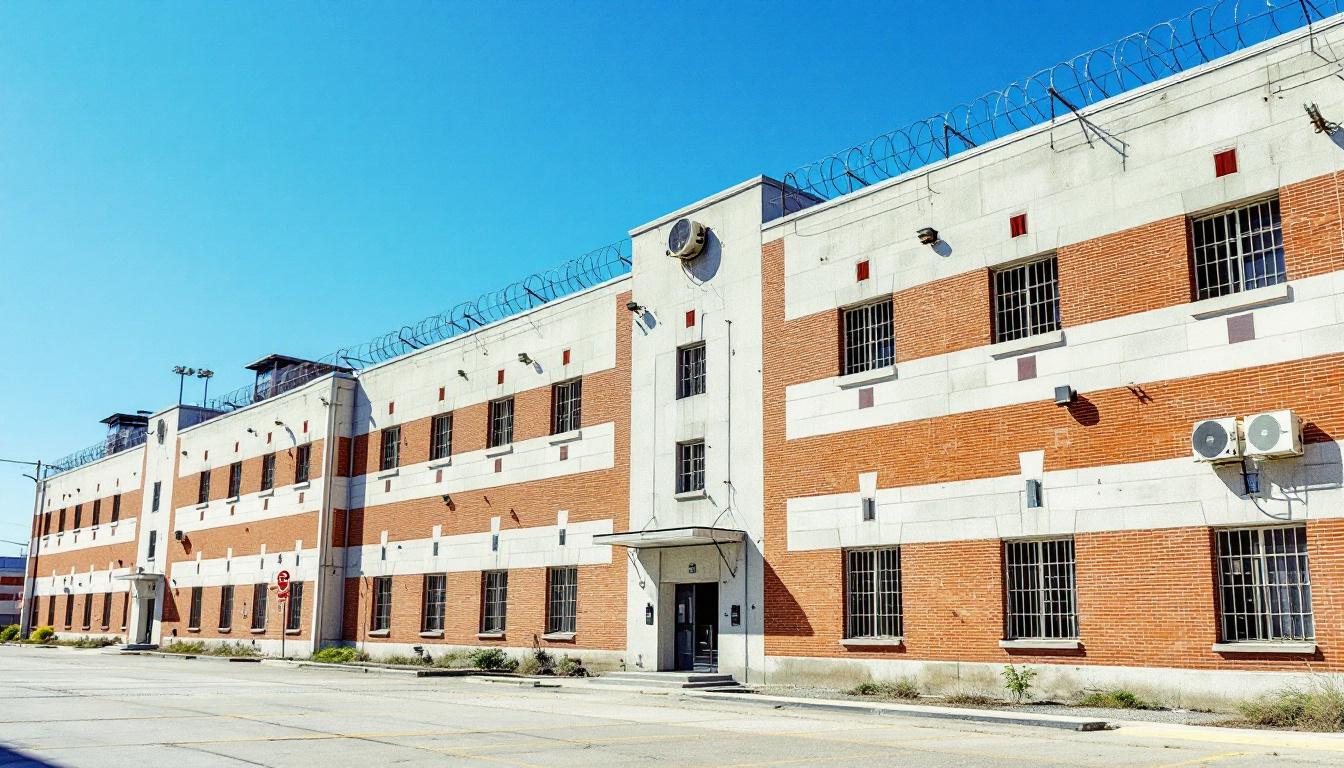
Serving Wisconsin's correctional objectives through secure detention operations, Milwaukee Secure Detention Facility maintains its institutional presence in Phoenix, where the community's geographic positioning supports the state's broader incarceration infrastructure needs. This detention center typically functions as an integral component within Wisconsin's correctional framework, designed to house individuals awaiting trial or serving shorter-term sentences while emphasizing security protocols that protect both those incarcerated and the surrounding community.
The facility's location in Phoenix provides strategic access to Wisconsin's court systems and transportation networks, enabling efficient movement of individuals through various stages of the judicial process. Milwaukee Secure Detention Facility generally operates with structured daily routines that may include educational programming, basic healthcare services, and those incarcerated services focused on maintaining institutional order and preparing individuals for eventual reintegration. The detention center often coordinates with local agencies and state departments to ensure compliance with Wisconsin's correctional standards while addressing the immediate housing and security needs of its population.
Within Wisconsin's correctional landscape, this WI correctional facility typically serves as a crucial link between arrest and final disposition, maintaining secure environments that balance detention requirements with fundamental services. The facility's operational approach generally emphasizes safety protocols, structured programming, and administrative efficiency that supports the state's judicial processes while providing necessary supervision for individuals in various stages of legal proceedings.
Programs & Services
Personal growth and skill development form the cornerstone of rehabilitation efforts for those incarcerated at Milwaukee Secure Detention Facility. The facility's comprehensive approach recognizes that meaningful change occurs through structured opportunities that address both immediate needs and long-term reintegration goals. Within a secure environment that prioritizes safety and order, various offerings work together to provide those incarcerated with tools for positive transformation and successful community reentry.
Educational services typically serve as the foundation for personal development, often including basic literacy programs, GED preparation, and continuing education opportunities. These academic offerings may furnish participants with essential credentials while building confidence and critical thinking skills. Furthermore, vocational programs complement educational initiatives by providing hands-on training in practical skills such as upholstery work, which can translate directly into employment opportunities upon release. The facility often includes physical fitness components that promote both physical health and discipline, contributing to overall well-being and structure.
Support services extend beyond traditional programming to address the complex challenges those incarcerated face during their transition period. Cognitive interventions may offer participants strategies for better decision-making and problem-solving, while time management training helps develop organizational skills essential for successful reintegration. Job placement assistance typically provides crucial support by connecting participants with potential employers and helping them navigate the application process. These comprehensive offerings work together within the facility's structured environment to create pathways for growth that extend well beyond the period of incarceration.
Daily Life & Visitation
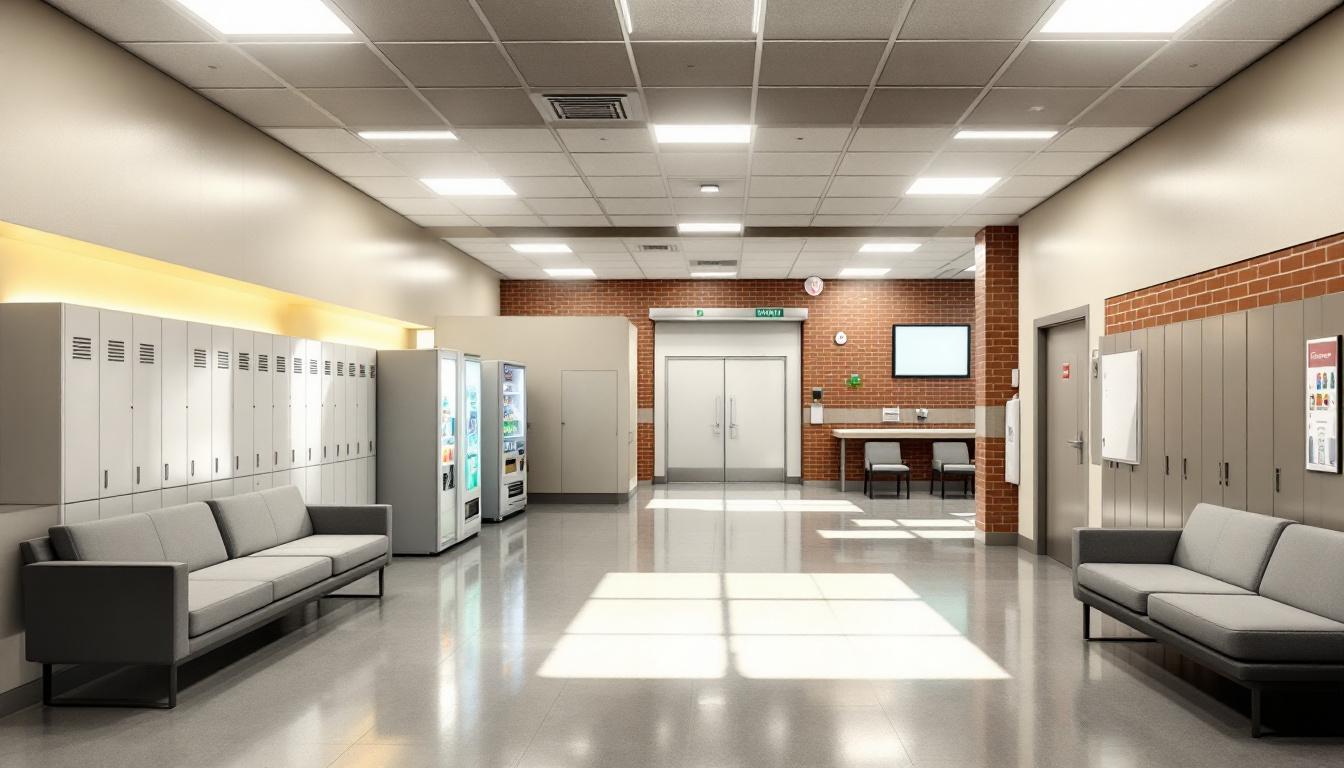
Building connections with family and maintaining social bonds remain central priorities for those incarcerated at Milwaukee Secure Detention Facility. The structured environment now provides multiple opportunities for residents to engage with one another and stay connected to their support networks. Daily routines typically begin early with count procedures, followed by meals that are regularly served in communal dining areas where social interaction naturally occurs.
Living accommodations generally consist of shared housing units that foster a sense of community among residents. Those incarcerated typically reside in dormitory-style or multi-person cells, creating opportunities for peer support and social connection throughout their stay. Furthermore, the facility usually provides common areas where residents can gather during designated recreation periods, watch television, or participate in group activities that help maintain social skills and relationships.
The facility typically offers various structured programming schedules that furnish both personal development and social interaction opportunities. Work assignments may include kitchen duties, maintenance tasks, or facility operations that allow residents to contribute to the community while developing job skills. Although security protocols guide all activities, visitation policies generally permit regular contact with family members and loved ones through scheduled visits and phone calls. Recreation and exercise opportunities usually include access to outdoor areas, gymnasium facilities, and organized sports activities that promote physical wellness and social engagement among those incarcerated.
Ready to Connect?
Start communicating with your loved one today
Search for an Inmate