
How to Contact an Inmate at Facility
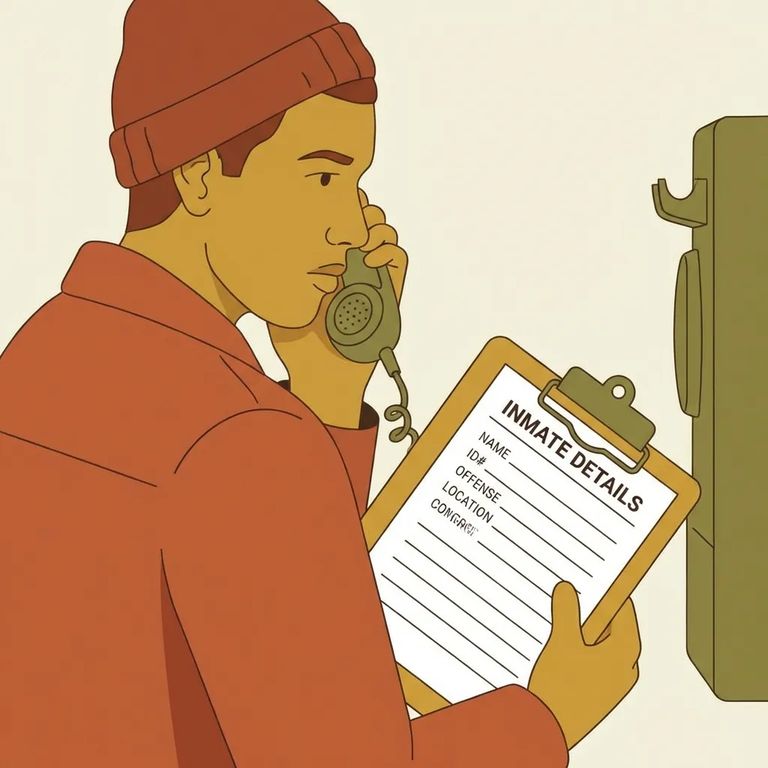
Note: Specific contact rules for this facility weren't provided here. Use this guide as a checklist, then confirm the exact requirements with the jail before sending mail, adding money for calls, or showing up to visit.
Most jails handle inmate communication through a few main channels: mail, phone calls (usually through a contracted provider), and in-person or video visits. Rules vary by facility and sometimes by an inmate's housing status, so treat every detail as something you need to verify. When you call, focus on pinning down which contact methods are allowed, what ID or registration steps you need to complete, and what items or formats are restricted (especially for mail).
Note: Verify current schedules, any visitor approval process, approved phone or video vendors, fees, and exact mail formatting rules directly with the facility.

Quick Action Checklist
- ✓ Confirm the inmate’s full legal name and any booking or ID number the facility uses.
- ✓ Ask what forms of contact are allowed right now (mail, phone, video, in-person visits) for that inmate.
- ✓ Verify whether you must be on an approved visitor or caller list before contact is allowed.
- ✓ Confirm how to address mail correctly, including any required identifiers (name format, ID number, housing information).
- ✓ Ask what is prohibited in mail (common examples include certain enclosures, items, or content), and what happens if something is rejected.
- ✓ Verify whether photos are allowed, and if so, what size, quantity, and content limits apply.
- ✓ Ask how phone calling works (who initiates calls, how accounts are funded if needed, and whether there are limits on call length or frequency).
- ✓ Confirm visit scheduling: whether visits are walk-in or appointment-based, what days and times apply, and whether schedules vary by unit.
- ✓ Ask what identification you must bring for a visit and whether there are age rules for minors.
- ✓ Confirm dress code expectations for visitors and what items you must leave outside (often phones, bags, and valuables).
- ✓ Ask about accessibility accommodations if you or a family member needs them.
- ✓ If you are trying to share urgent information (medical, safety, legal), ask the correct process and department to contact.
Tip: Before calling the facility, have the inmate's basic details and your own ID information ready. Write down who you spoke with and what they told you. Ask for a written copy of any rules if one is available.
- Use official sources first: Look for the facility’s official phone number and any published policies through government-run directories or the facility’s official pages.
- Call during normal business hours: If you cannot reach the right desk, ask what time window they handle public questions about mail, phones, and visitation.
- Ask for the right department: Request the unit that handles the topic you need (records, visitation, mailroom, or inmate accounts).
- Confirm the exact requirement, not the general rule: Read back details like required ID numbers, address formatting, and scheduling rules to make sure you understood.
- Request documentation: Ask whether they can provide the policy, handbook, or forms in writing (email, mail pickup, or printed copies).
- Record the details: Note the date, time, the staff member’s name (or post), and any reference number they provide.
Warning: Third-party sites and social media posts are often outdated or wrong. Always cross-check with the facility before spending money, mailing items, or traveling for a visit.

What to Ask
- ✓ What contact methods are currently permitted for this inmate?
- ✓ What information do you need from me to confirm I am asking about the correct person?
- ✓ Do I need to be on an approved list to visit, receive calls, or use video visitation?
- ✓ If approval is required, how do I apply and how long does it usually take?
- ✓ What is the correct way to address mail (exact format), and what identifier must be included?
- ✓ What items are prohibited in mail (photos, drawings, greeting cards, clippings, cash, stamps, etc.)?
- ✓ Are there limits on the number of letters or photos, or restrictions on content?
- ✓ How do phone calls work here: collect, prepaid, or account-funded?
- ✓ If accounts are used, who is the approved provider and what are the steps to set it up?
- ✓ Are there fee schedules or deposit limits I should know about?
- ✓ What are the visitation days and hours, and do they vary by housing unit or classification?
- ✓ Do visits require an appointment, and if so, how do I schedule one?
- ✓ What ID must adult visitors bring, and what are the rules for minors?
- ✓ What is the dress code, and what personal items must be left outside?
- ✓ If a visit is denied or mail is rejected, will I be notified, and what is the appeal or retry process?
- ✓ What is the best contact point for urgent concerns (medical, safety, legal mail questions)?
If the facility has a written policy sheet, visitor application, or mailroom rules, ask for it. Having the rule in writing cuts down on confusion later, especially when you're juggling approval steps, scheduling, and mail restrictions.
Documentation and Records
- ✓ Your government-issued photo ID details (and a second ID if you have one), in case they ask for verification.
- ✓ The inmate’s full legal name and booking or ID number (if known).
- ✓ The inmate’s date of birth (only if staff ask for it to confirm identity).
- ✓ The housing unit or location (if you have it), since schedules sometimes vary.
- ✓ Your relationship to the inmate, if approvals or lists are involved.
- ✓ Your current mailing address and a phone number where you can be reached.
- ✓ A notebook or note on your phone with dates, names, and instructions you receive.
Be careful with personal information when setting up contact. Share only what's necessary to complete the process, and avoid sending sensitive documents or financial details through informal channels. If someone asks for information that seems unrelated to mail, visitation, or account setup, pause. Ask why it's required and how it will be used.
Tip: Ask whether written consent is required for certain communications and which details the facility considers private or restricted to approved contacts only.
- Try official directories: Look for the jail through county or state corrections listings and use the contact information published there.
- Call back and ask for a supervisor or public information contact: If the front desk cannot answer, ask who handles public questions about mail and visitation policies.
- Ask for the policy in writing: If answers vary, request the written rule sheet so you can follow the current standard.
- Get outside help when needed: For urgent or legal issues, consider contacting legal aid or an attorney for guidance while you continue verifying the facility’s process.
Recordkeeping
- ✓ Date and time of each call or visit attempt
- ✓ Phone number you dialed and any extensions
- ✓ Name and title (or post) of the staff member you spoke with
- ✓ The exact rule you were given (write it down word-for-word if possible)
- ✓ Any reference number, case number, or note they provide
- ✓ Copies or screenshots of any written policies or emails you receive
Once you have the facility's confirmed rules, follow their exact process for each contact method you plan to use: mail, phone, video, or in-person visits. Keep any written policies and your call notes handy so you can avoid repeat problems if schedules change or a piece of mail gets rejected.
For the most reliable information, start with the facility's official communications and any county or state corrections pages listing current policies and contact directories. If you use a third-party resource to get oriented, treat it as a starting point only and confirm every key detail with the jail directly.
Find an Inmate at Yuba County Jail
Search for a loved one and send messages and photos in minutes.