
How to send money to someone in custody
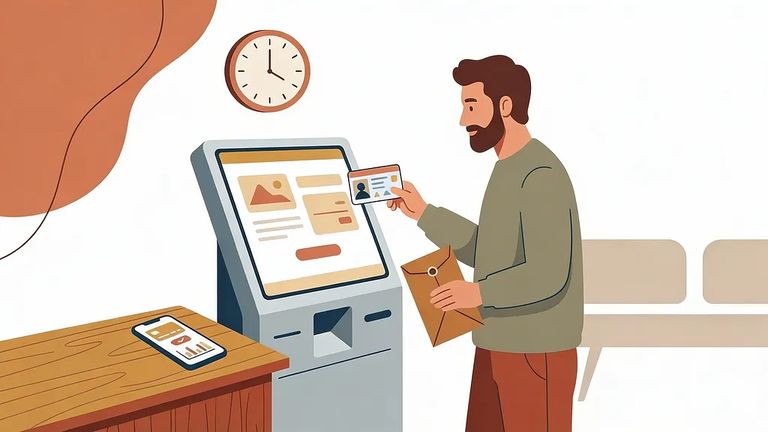
Deposit options depend on the facility, but third-party trust account systems are common. With GettingOut/ConnectNetwork, you can deposit by phone (operators available 24/7) or use a lobby kiosk at a detention facility. Some kiosks require identity verification, so bring your driver's license or other ID.
Timing matters if your loved one is trying to shop commissary or pay for communication. Some systems warn that funds can take up to 72 hours to become active on a Trust and Commissary account. Try to deposit a few days ahead of a deadline when you can. Some jails also accept money orders for deposits. Park County notes money orders can be dropped off at the detention window.
Beyond basic deposits, some facilities offer other ways to support your loved one. Park County allows friends and family to order care packs through jailatm.com with a $100 spending limit. In CDOC, the Canteen program is self-sustaining, and eligible individuals can choose from more than 1,100 retail items. At USP Florence there are detailed purchase limits: people on commissary restriction are limited to $15 of merchandise per month (excluding OTCs and stamps).
Common Questions
Q
What are the ways I can put money on an inmate's account?
Common options include depositing by phone, using a lobby kiosk at the facility, and using the provider’s online system, depending on what that jail or prison uses. GettingOut lists a phone deposit option and says some facilities have lobby kiosks, and it also warns deposits may take up to 72 hours to become active on a Trust and Commissary account. Always confirm the exact method and ID requirements with the facility or vendor before you send funds.
Find an Inmate
Search for a loved one and send messages and photos in minutes.