
Sending money: common channels, limits, and money-order rules
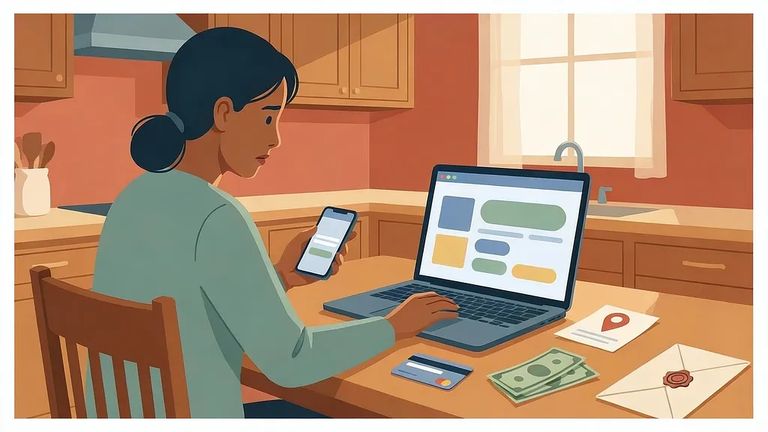
How you add money depends on the jail or prison, but online and phone deposits are common at county facilities. Suffolk County describes deposits to Keefe Commissary accounts through Access Corrections (online by credit/debit, or by phone), with a $100 per-deposit limit. Suffolk also warns that using the online/phone service comes with a fee that reduces the amount that actually reaches the commissary account.
Access Corrections also advertises other payment options, including posting bail remotely and making parole or probation payments. The catch: availability is facility-specific. Treat the platform as a tool some New York agencies use, not a guarantee that every location accepts every payment type.
- Confirm the payee name. One New York example (Erie County) requires money orders to be payable to “ACCESS SECURE DEPOSITS.”
- Include the required deposit paperwork. Erie County’s instructions tell senders to mail a deposit slip along with the money order.
- Mail it to the lockbox address used by that agency. Erie County directs money orders and deposit slips to a Secure Deposits lockbox in St. Louis (the address is listed on their commissary/deposit instructions).
Common Questions
Q
How can I send money to someone in custody and are there limits or fees I should expect?
Common options include online or phone deposits through the facility’s chosen service, and some locations also accept money orders. One New York example (Suffolk County) describes Access Corrections deposits with a $100 per-deposit limit and a service fee that reduces the amount credited, and another example (Erie County) requires money orders payable to “ACCESS SECURE DEPOSITS.” Always follow the instructions for the specific facility so your deposit is not delayed or rejected.
Find an Inmate
Search for a loved one and send messages and photos in minutes.