
Before Your First Visit to Bay Regional: What to Bring and What to Leave Behind
Your first visit goes smoother when you keep it simple: bring a valid photo ID, leave personal items outside the secure area, and be ready to sign in and out on the youth's Visitor's Log.
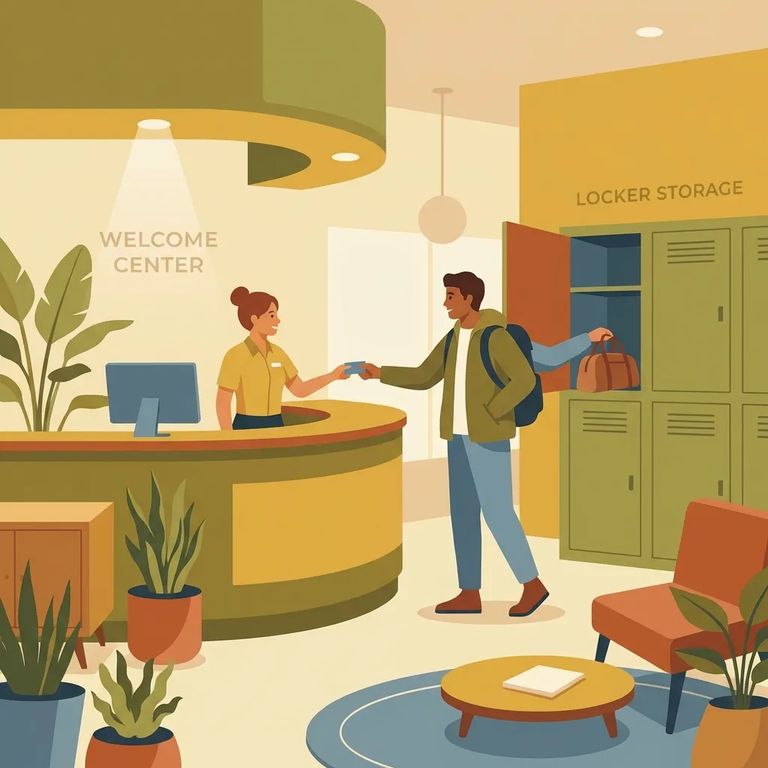
Keep your first visit to Bay Regional simple. Bring a valid photo ID, leave personal items - keys, purses, packages - outside the secure area, and plan to sign in and out on the youth's Visitor's Log.
Every visitor needs a valid photo ID to enter. Before you head out, double-check that you actually have it - it's one of the easiest things to forget when you're rushing.
Note: Missing or forgotten ID is one of the most common reasons visitors get turned away. Check your wallet before you leave.
Leave personal items outside the secure area. That means keys, purses, packages - anything extra. If you can stash it in your car or a locker beforehand, check-in goes faster and you won't have to sort through belongings at the entrance.
Warning: Bringing any unauthorized item into a detention facility is a third-degree felony. The safest move is to carry only what's required and leave everything else outside.
Contraband isn't just a rule violation - it's a criminal matter. Bringing any unauthorized item into a detention facility is a third-degree felony. If you're unsure whether something is allowed, leave it behind.
You'll sign in and out on the youth's Visitor's Log during your visit. Build in a few extra minutes on both ends so you're not rushed.
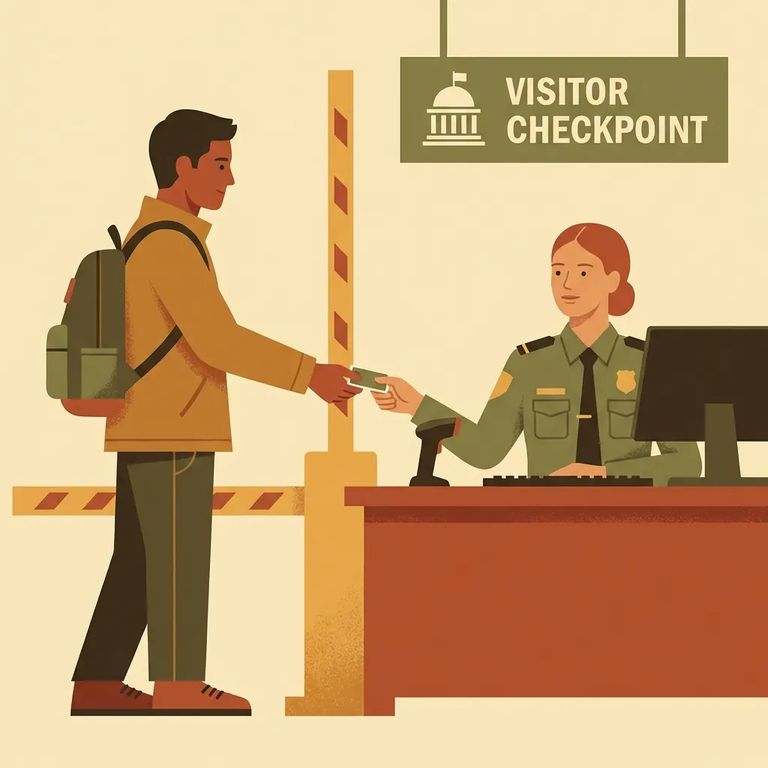
Avoid Denial
- ✓ Bring a valid photo ID - visitors can be denied entrance if they can’t present proper photo identification.
- ✓ Show up sober and steady - you can be turned away if you’re under the influence or appear to be under the influence of an intoxicating substance.
- ✓ Cooperate with search procedures - refusing to be searched can get you denied entry.
- ✓ Follow staff directions - refusing to comply with officer instructions is grounds for denial.
- ✓ Stay calm and respectful - disruptive or uncooperative behavior can stop your visit before it starts.
- ✓ Keep everything out of the secure area - attempting to introduce contraband is a reason for immediate denial.
- ✓ Dress appropriately - inappropriate attire can lead to being turned away.
Even after you're admitted, a visit can be cut short if your behavior - or the youth's - becomes disruptive or violates facility policies. A terminated visit may also lead to suspension of future visitation privileges at the Superintendent's discretion. The best way to protect your visiting privileges: stay cooperative, follow instructions promptly, and keep things calm.
Important: Attempting to bring unauthorized items into the secure area can result in a third-degree felony charge. Refusing searches or instructions can get you denied entry or have your visit ended - and may affect future visitation privileges at the Superintendent's discretion.
Find an Inmate at Bay Correctional Facility
Search for a loved one and send messages and photos in minutes.