
Bolivar County Jail Zone Visitation Schedule: Which Days & Times for C1–C5, S1–S6, Intake, and Green/White
Visitation at Bolivar County runs by housing

Also known as: Bolivar County Regional Correctional Facility
Review visiting hours, scheduling steps, approval requirements, dress code rules, and any available video or in-person visit options for Bolivar County Jail, MS.
Visitation at Bolivar County Jail is a privilege that can be suspended or revoked if rules are broken. Follow posted policies and staff instructions closely. To get approved, the person in custody typically sends you a visitor application or information form. Complete it and return it as the facility directs. Many jails run background checks before adding someone to the approved list, so allow time for processing. Depending on what the jail offers, visits may include on-site kiosk video visits or remote at-home video visits through a third-party provider. When you arrive, bring a valid government-issued photo ID. You'll register at the visitation area, sign a visitor log, and go through security screening.
Search for a loved one and send messages and photos in minutes.

Visitation at Bolivar County runs by housing
Visiting someone in custody usually comes down to one thing first: their custody level. This classification determines whether they can have visits at all, and what kind.

Bringing kids to visit is allowed, but you'll need the right paperwork—and there are limits on what you can carry in. Here's how to avoid getting turned away at check-in.

Your first visit goes a lot smoother when you show up with the right ID, the right paperwork for kids, and nothing that will get you turned away at the door. Use this guide to pack smart and avoid a wasted trip.
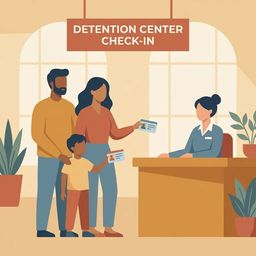
The person inside typically sends you a visitor application or information form. Complete it and return it as directed. The facility commonly runs a background check before approving you.
Bring a valid, government-issued photo ID. You'll register at the visitation area and sign the visitor log. If the jail uses an approved visitor list, confirm you're on it before you go.
Yes. Visitation is a privilege and can be suspended or revoked for rule violations or security reasons. Confirm the jail’s current visitation policy before you travel.
Education and job training shape how someone spends their time in MDOC custody and prepares for life after release. Here's how the main programs fit together: adult education, testing, post-secondary options, and Career Services.
In MDOC, custody level is more than a label. It determines how much supervision someone has and what they can access day to day: visits, phone calls, jobs, and programs.
Trying to reach someone in custody? Start with two things: their custody level and the official office that can confirm current policies.