
Requesting a Victim Offender Dialogue (VOD): a clear FAQ for families
A Victim Offender Dialogue (VOD) lets a victim or surviving family member speak directly with the person who caused them harm—with a trained facilitator present and security measures in place. If you're considering one, start here: who can request it, who to contact, and what actually happens during the meeting.
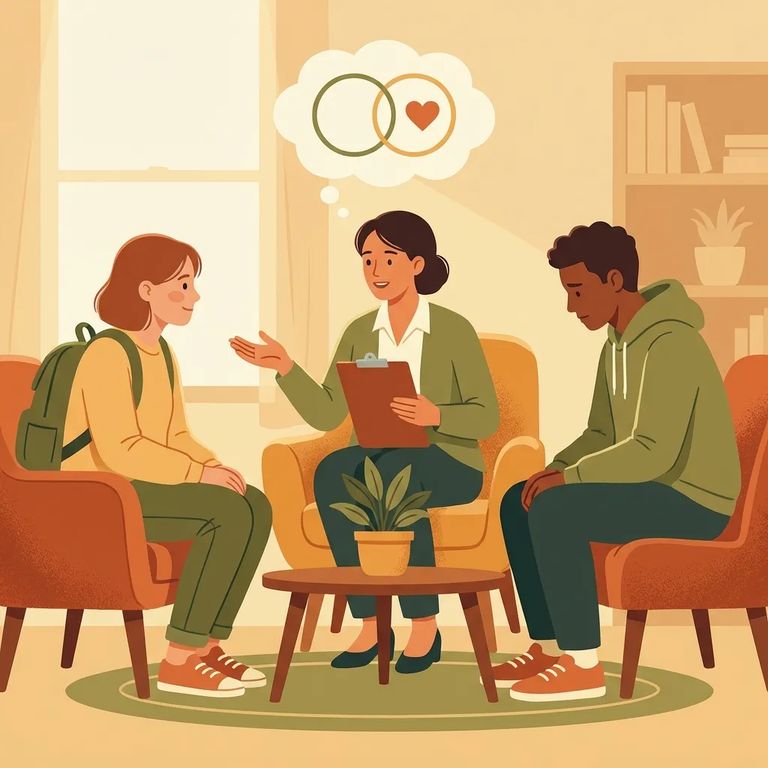
A Victim Offender Dialogue (VOD) is a facilitated, face-to-face conversation between the victim (or surviving family members) and the offender, held in a safe, controlled setting. This isn't about debating the case. It's your chance to explain how the crime affected your life and to say what you think and feel about what happened. In some cases, the offender responds by taking responsibility, sharing their perspective, and looking for ways to make amends.
How to request a VOD: Only victims can initiate this process. Contact CDCR's Office of Victim and Survivor Rights and Services (OVSRS) at 1-877-256-6877 or OVSRS_VOD@cdcr.ca.gov. They'll walk you through a formal intake with the VOD Program Coordinator.
- Reach out to OVSRS - Call 1-877-256-6877 or email OVSRS_VOD@cdcr.ca.gov to ask questions or start a request.
- Complete the formal intake - The next step is a formal intake with the VOD Program Coordinator. This intake is required to begin the process.
- Be ready to share your goals and contact details - Intake is the time to explain what you’re hoping to get from a dialogue and how you can be reached for follow-up as the request moves forward.
VODs happen inside the prison, in a private, quiet room away from general foot traffic. The setup gives you as much privacy as possible while maintaining security. A Correctional Officer will always be able to see into the room, but they won't be part of the conversation.
In the room, you'll have the victim or survivor, the offender, and a facilitator guiding the conversation. Support persons for both sides may attend too. The facilitator keeps things controlled and respectful - so you can speak about the crime's impact, and the offender has a structured chance to respond, take responsibility, and discuss making amends.
Benefits Limits
- ✓ Explain how the crime impacted your life and express your thoughts and feelings in a safe, controlled setting
- ✓ Give the offender a chance to tell their side of the story
- ✓ Give the offender a chance to take responsibility for what they did
- ✓ Give the offender an opportunity to make amends
Limit to know up front: Participation in VOD does not change the offender’s release date, classification score, or status.
No. VOD participation doesn't change the offender's release date, classification score, or custody status. It's a voluntary process focused on dialogue and understanding - not a way to influence sentencing or release decisions.
Find an Inmate at California Institution for Women
Search for a loved one and send messages and photos in minutes.