
How IDOC handles incoming mail: color scanning, publications, and why a return address is required
Sending mail to someone in an IDOC facility? Here's the key thing to know: most non-privileged mail gets color-scanned and delivered electronically. And if you forget the return address, your letter won't make it through.
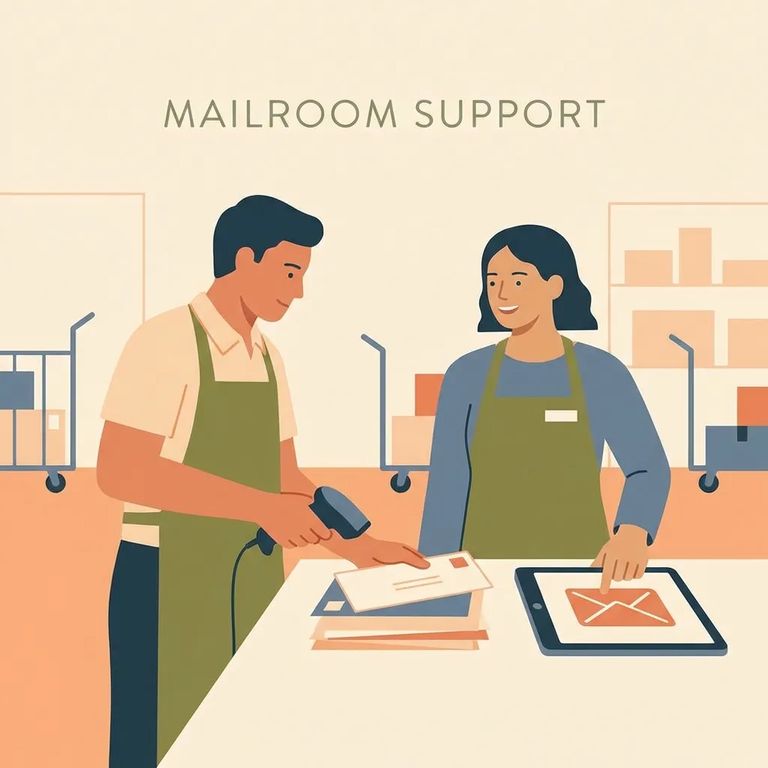
When non-privileged mail arrives, mailroom staff color-scan both sides of the envelope. This is standard processing for personal mail before it reaches the person inside.
Staff also scan everything inside - letters, greeting cards, photos. Your loved one receives digital copies, not the originals.
The scanned images go to an electronic Bulletin Board. From there, they can view the mail on their tablet.
Publications work differently. IDOC doesn't scan magazines, newspapers, or similar materials - so don't expect those to appear on the Bulletin Board.
Always include a return address. Mail without one is prohibited and will be rejected - no exceptions, even for an otherwise perfect letter. It's a security requirement.
Legal mail has a specific definition at IDOC: correspondence to or from registered attorneys who directly represent the person in custody.

Practical Tips
- ✓ Put a clear, complete return address on the envelope every time - IDOC prohibits mail without a return address and will reject it.
- ✓ Treat publications as a separate category - IDOC does not scan or photocopy publications as part of the incoming mail process.
- ✓ Set expectations: IDOC color-scans the front and back of the envelope and the items inside (letters, cards, photos), then uploads them to the recipient’s electronic Bulletin Board for viewing on a tablet - so delivery means “available electronically,” not “the paper original arrives.”
Find an Inmate at Centralia Corrections Center
Search for a loved one and send messages and photos in minutes.