
District Vi Juvenile Detention Center, ID
Need to reach someone at District Vi Juvenile Detention Center? Look up an inmate, send messages or mail, add commissary funds, or schedule a visit.
Explore
Find an Inmate at District Vi Juvenile Detention Center, ID
Search for a loved one and send messages and photos in minutes.

Guides for This Facility

How to Visit District Vi Juvenile Detention Center, ID (ID)
If your child is held at District Vi Juvenile Detention Center, one deadline matters immediately: a Detention Hearing must be scheduled within 24 hours (weekends and holidays excluded). At that hearing, the court decides whether your child stays in detention, goes home, or is placed in an alternate setting until the next court date. Expect the early intake steps to move fast. Families are notified of custody as soon as possible, and youth may be fingerprinted and photographed during processing. In some cases, a youth can be released to a parent who signs a written promise to bring them to court at a stated time, unless a judge orders otherwise or release is not considered to promote the welfare of the community or the youth. This page covers what's confirmed about the detention timeline. Visiting hours, approval requirements, ID rules, and what you can bring are not addressed by the available information here. You'll need to confirm those details directly with the facility or the juvenile court.
Read Guide
How to Contact an Inmate at District Vi Juvenile Detention Center, ID (ID)
If you need to reach someone held at District VI Juvenile Detention Center, your best bet is to call IDJC directly using the contacts below. They can walk you through the current rules for communication and visits.
Read Guide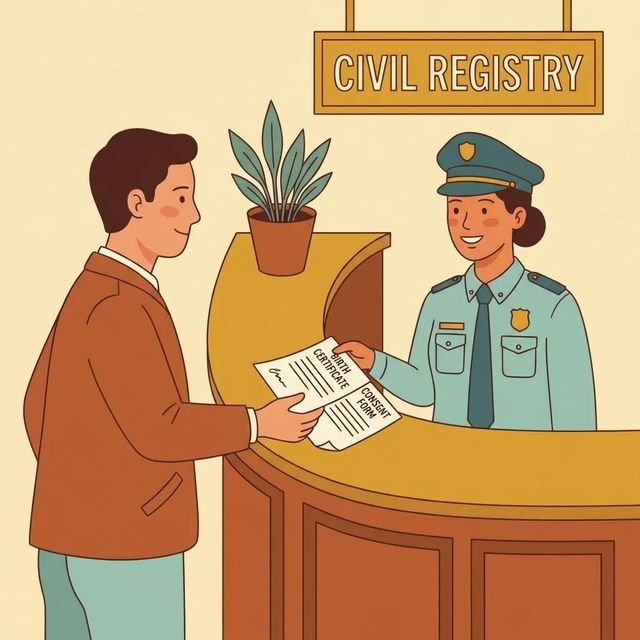
How to Send Money to District Vi Juvenile Detention Center, ID (ID)
Sending money connected to District Vi Juvenile Detention Center involves paperwork that looks more like a state payment setup than a typical jail deposit. Here's what matters most, and what to confirm before you submit anything.
Read GuideAt a Glance
Visitation
- A Detention Hearing for a youth held in detention must be scheduled within 24 hours, excluding weekends and holidays.
- You must complete a visiting application and pass a background check and receive approval before visiting.
- Adult visitors need a valid photo ID; minors usually require a minor application and documents such as a birth certificate or guardianship papers.
Communication
- Juveniles can make several outgoing calls per week but incoming calls are generally not accepted.
- Phone or video services usually require creating an account with the facility’s approved vendor and funding that account through the vendor.
- For District 6 administrative or program questions, the IDJC District 6 liaison in Pocatello is the listed point of contact.
Sending Commissary
- The SCO requires direct deposit forms to be signed and supporting documentation must be dated within three months of submission.
- The combined W-9/direct deposit form requires an original voided check or bank verification to receive electronic payments; deposit slips cannot be used.
- Idaho DOC payment systems commonly offer multiple deposit methods including website/app, phone, retail cash barcode, and facility kiosks.
Based on official sources and community feedback.Learn how we verify
Topic Overviews
Visitation
Visiting District Vi Juvenile Detention Center starts with getting approved. You'll need to submit a visiting application and pass a background check before you can schedule a visit. Once you're cleared, staff will notify the resident. Visits may be in-person, non-contact, or video-based. The available formats, hours, and scheduling method can vary, so confirm the current options before you go. Adult visitors need valid photo identification. Minors typically need a minor application plus documents like a birth certificate or guardianship papers. If a youth is kept in detention, a Detention Hearing is scheduled within 24 hours (except weekends and holidays) to review continued detention. If you're on probation or parole, get written approval from your officer first. Do not attempt to visit if a no-contact order applies.
Read full guideCommunication
Staying in touch at District Vi Juvenile Detention Center usually means receiving outgoing calls from the juvenile. Some facilities may also offer video or tablet-based communication depending on availability. Incoming calls are generally not accepted. Phone time is typically limited (often several outgoing calls per week) and reserved for parents, guardians, or approved family members. To get phone or video access set up, you or your family usually need to create an account with the facility's approved phone or video vendor, then add funds through the vendor's payment system. For District 6 administrative or program questions, the IDJC District 6 liaison in Pocatello is the listed point of contact. For behavioral-health program questions or referrals, the IDJC Behavioral Health Program Specialist phone contact is also listed as a resource.
Read full guideSending Commissary
To receive electronic payments for residents at District Vi Juvenile Detention Center, you'll need to submit the facility's combined W-9/direct deposit form along with an original voided check or bank verification. Deposit slips are not accepted. The SCO also requires the direct deposit form to be signed, and the supporting bank documentation must be dated within three months of submission. If you prefer other deposit options, Idaho DOC payment systems commonly offer multiple methods: online or mobile app payments, phone payments, retail cash barcode deposits, and on-site kiosks. Whichever method you use, double-check the resident's full name and facility ID exactly as listed. Select the correct agency or program so the funds post to the right account.
Read full guideCommon Questions
Showing 6 of 9How do I get approved to visit District Vi Juvenile Detention Center, ID?
Complete the facility's visiting application and submit to the required background check. Once you're approved, staff will notify the resident. Then you can schedule your visit using the facility's process (confirm the current format and hours first).
VisitationWhat ID and documents do I need to bring to a visit?
Adults need valid government-issued photo identification. Minors typically need a minor application along with documents like a birth certificate or guardianship papers.
VisitationIf my child is detained at District Vi Juvenile Detention Center, when will there be a detention hearing?
A Detention Hearing is scheduled within 24 hours of detention, except on weekends and holidays. The hearing decides whether the youth stays in detention until the next hearing.
VisitationHow can I reach a juvenile at District Vi Juvenile Detention Center, ID?
Juveniles typically place outgoing calls to parents or guardians. Incoming calls are generally not accepted. For administrative or facility-level questions, contact the IDJC District 6 liaison based in Pocatello.
CommunicationDo I need an account to receive video or phone calls from a juvenile at this facility?
Usually, yes. Families typically create an account with the facility’s approved phone or video vendor and add funds using the vendor’s accepted payment methods.
CommunicationWho should I contact for behavioral-health or program questions related to juveniles in District 6?
Contact the IDJC Behavioral Health Program Specialist for behavioral-health and program-related questions. You can also reach out to the District 6 liaison for guidance on next steps.
CommunicationMore Guides
Ready to Connect?
Search for your loved one to start communicating today
Did You Know?
This page covers District Vi Juvenile Detention Center in Idaho. Under Idaho law, a "juvenile" is any person under the age of 18.
This guide is compiled from official facility documentation and community feedback. Learn how we verify