
What Correctional Officers Do at Dorchester County Detention — and Why It Matters to Families
Ever wonder why doors stay locked, why movement pauses, or why staff can't "just make an exception" during a visit? It usually comes back to the correctional officer's job: safety, accountability, and control inside the building.
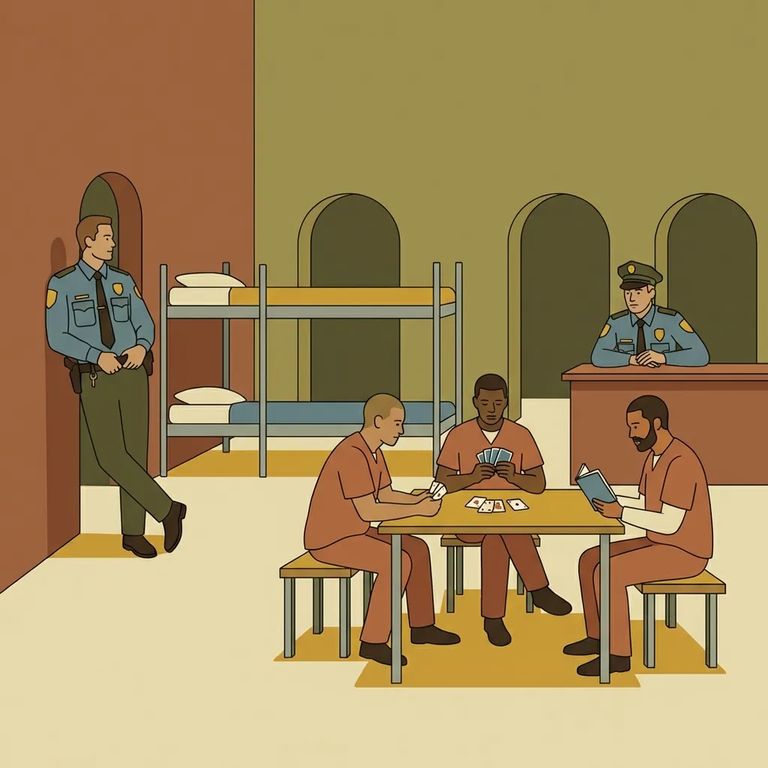
At Dorchester County Detention, correctional officers work inside the facility - not out in the community like police. Their job is keeping the building running safely: maintaining order, enforcing rules, and managing what happens in their assigned areas.
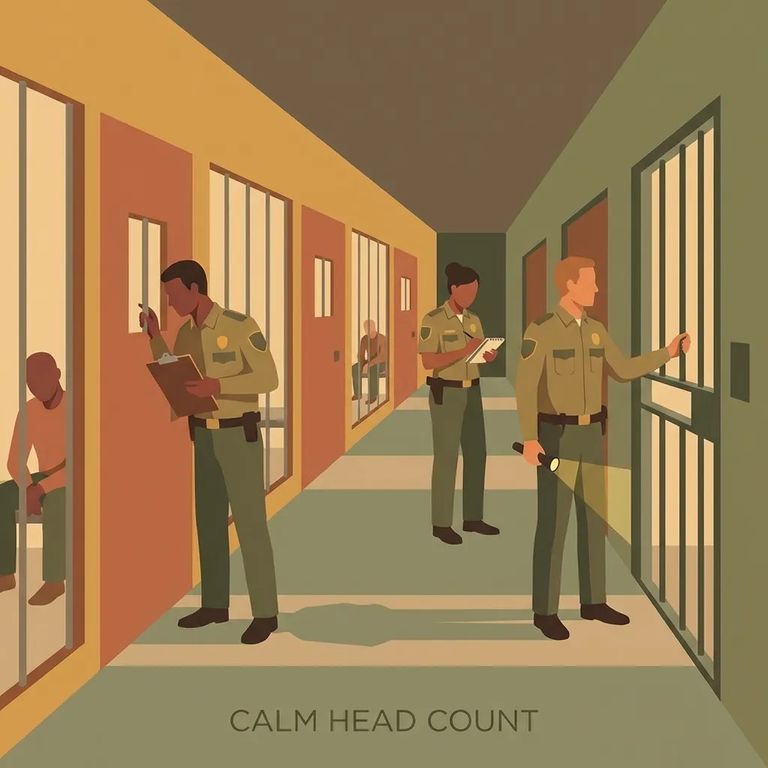
Two themes run through almost everything officers do: constant accountability and constant monitoring. Officers account for detainees at all times, including conducting required head counts. Meanwhile, control center staff keep critical safety systems running - alarms, cameras, radios - so the facility can respond fast when something changes.
Booking is where people are received and processed when they arrive for incarceration. Officers there handle intake on the facility side and also process detainees being released. For families, this explains why you'll hear "booking" mentioned when trying to figure out where someone is in the process.
Booking staff also track a detainee's property and money, issuing receipts along the way. That paper trail keeps items and funds documented from the start of someone's stay through release.
Property and money aren't handled casually here. When officers account for a detainee's belongings and funds, they issue receipts - creating a record that keeps custody clear and traceable. If you're ever trying to sort out what was taken in or logged, this documentation is designed to answer those questions.
Security inside a detention center isn't just about reacting to problems - it's about preventing them through routine accountability. Officers must account for detainees at all times and conduct head counts as required. This shapes the facility's rhythm: movement can pause, schedules can tighten, and staff attention shifts quickly during a count. Confirming where everyone is comes first.
Note: If something seems “suddenly delayed,” a required head count can be the reason. Counts are part of how officers account for detainees at all times.
The control center is the facility's nerve center. Officers there keep key safety and security equipment running - fire alarms, security alarms, cameras, radios, and related systems. When an alarm goes off, part of the job is notifying supervisors so the right response starts quickly and through the correct chain of command.
Control center staff also operate electronic doorlocks for interior and exterior doors. That central control is why the building can feel "stop-and-go" from a visitor's perspective - access is managed deliberately, not casually. The system protects staff, detainees, and visitors by keeping movement controlled and documented.
Note: If you’re waiting to be moved, escorted, or allowed through a door, the control center may be coordinating it. Keeping alarms, cameras, radios, and electronic doorlocks under tight control is part of how the facility stays safe.
When you visit, you're interacting with officers doing a specific part of their job: maintaining order and enforcing both facility rules and visitation rules. Officers are also responsible for visitor safety in their assigned area, which is why you'll see close supervision, clear boundaries, and quick corrections when a rule gets missed. Even when it feels strict, the goal is keeping the visit space orderly and safe for everyone.
Note: Expect staff to enforce visitation rules and give direct instructions. That enforcement is tied to visitor safety and maintaining order in the assigned area.
A safe detention center also depends on basics that are easy to overlook. Officers maintain proper sanitation in the facility and their assigned areas. The control center keeps critical equipment - alarms, cameras, radios - running, which supports safety and quick response when something goes wrong.
Control center duties also require staying alert to unusual or emergency situations and acting to maintain safety - including notifying supervisors when alarms occur. For families, this explains why staff can shift priorities fast: when an alarm triggers or something unusual happens, the facility's immediate focus is response and stabilization.
Dorchester County correctional officers aren't just shown the ropes informally. Anyone with a conditional offer must attend mandated training and follow rules set by the Maryland Police and Correctional Training Commission. Officers also need basic CPR and First Aid knowledge and must certify with departmental weapons and fire equipment - skills that support safety and emergency readiness inside the facility.
The job is physically demanding. Officers may need to lift or move objects up to 50 pounds, and they may have to use force to restrain violent individuals or defend against physical attack. That reality is part of why you'll see firm boundaries and quick intervention when staff believe safety is at risk.
Note: Training and physical readiness are built into the job because emergencies can happen quickly. Even so, most day-to-day interactions are about rules, routine, and safety checks - not confrontation.

Practical Takeaways
- ✓ Expect clear rule enforcement during visits - officers are responsible for visitation rules and visitor safety in their assigned area.
- ✓ Plan for pauses and delays: officers must account for detainees at all times and conduct required head counts, and movement is often controlled through electronic doorlocks.
- ✓ If you need to reach the Dorchester County Department of Corrections for general questions, call 410-228-8101.
Find an Inmate at Dorchester County Detention
Search for a loved one and send messages and photos in minutes.