
Monthly Visit Limits at WERDCC: What to Expect for General Population, Diagnostic, and Treatment Offenders
Visit limits at WERDCC depend on your loved one's status. Whether they're in general population, diagnostic, or treatment determines how many visits they get each month—and which sessions you can attend.
Monthly visit allowances at WERDCC vary by classification. General population offenders get 8 visits per month. Diagnostic and treatment offenders each get just 1 visit per month. That single visit can feel limiting if your loved one is new to the facility or in a program status - plan it carefully.
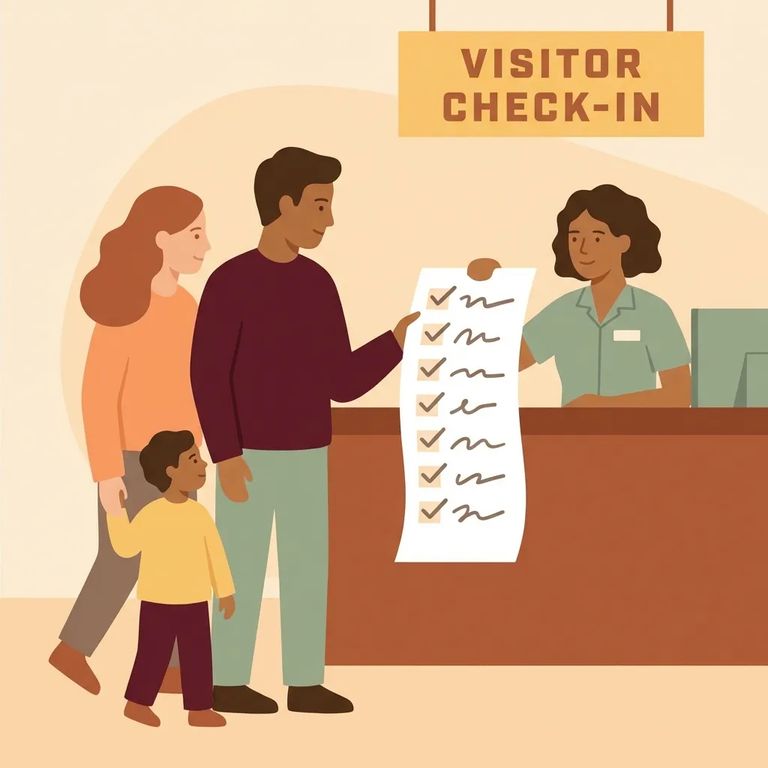
You'll need approval before visiting. WERDCC requires a visiting application, and the department runs a criminal history check as part of the process. Approval isn't automatic, and your loved one is usually the one who gets notified. Coordinate with them so you know when you're cleared.
Visits happen on Fridays, Saturdays, and Sundays in two sessions: 9:30 am–1:30 pm and 2:30 pm–6:30 pm. On Fridays, both sessions are for general population. Saturdays start with general population in the morning; the afternoon session covers treatment, diagnostic, and TCU offenders - it's no-contact, and treatment and diagnostic visits are limited to immediate family only. Sundays flip that pattern: the morning is for treatment, diagnostic, and TCU (no-contact, immediate family only for treatment and diagnostic), and general population takes the afternoon.
The lower visit limit for diagnostic and treatment status - just 1 per month - reflects how WERDCC structures those placements. Reception/diagnostic time and treatment programming come with tighter movement and scheduling controls, so visiting is more restricted than in general population. You may have fewer chances to see your loved one in person while they're being evaluated or in treatment, even though general population offenders can visit more frequently.
Note: Treatment and diagnostic visits are no-contact and limited to immediate family only. If you're not immediate family, you won't be able to visit during those sessions - even if you're otherwise approved.

Practical Tips
- ✓ If your loved one is in general population, plan around the Friday sessions (both are general population) and the general-pop sessions on Saturday morning and Sunday afternoon.
- ✓ If your loved one is in diagnostic or treatment, focus on the sessions assigned to treatment/diagnostic/TCU and no-contact (Saturday afternoon and Sunday morning).
- ✓ With a 1-visit-per-month limit for diagnostic and treatment, pick the date that’s most realistic for your schedule and travel - missing it can mean waiting until next month.
- ✓ If you’re immediate family visiting someone in treatment or diagnostic, double-check that you’re going on the correct no-contact session so you don’t lose the trip.
- Confirm their current status - Ask your loved one (or their unit/case manager, if you have a way to reach them) whether they’re general population, diagnostic, or treatment, since that drives both the monthly limit and the session you can use.
- Get approved before you plan the drive - Submit the visiting application and wait for approval; a criminal history check is part of the process.
- Verify the session for your date - Once you’ve picked a day, make sure you’re aiming for the correct session (general population vs. treatment/diagnostic/TCU and no-contact) so you don’t show up for the wrong block.
Heads up: You can arrive in the parking lot no earlier than 30 minutes before visiting starts, and entry is first-come, first-served. Also, no person or pet may remain in a vehicle on institutional grounds - plan childcare and pet care before you arrive.
- Ask what status they’re in right now - Even a small status change can change which sessions apply and how many visits they can have that month.
- Reconfirm your approval - If anything changes (including movement between statuses), make sure your visiting approval is still active and correctly associated with them.
- Match your trip to the right session - Once you know their current status, choose a day and time block that fits that status so you don’t waste a visit attempt.
When someone moves into or out of diagnostic or treatment status, their visit allowance changes too. General population means 8 visits per month; diagnostic and treatment mean 1. Session eligibility also shifts - general population visits run on a different schedule than the treatment/diagnostic/TCU no-contact sessions. Confirm your loved one's current status before finalizing travel plans.
Find an Inmate at Women's Eastern Reception & Diagnostic
Search for a loved one and send messages and photos in minutes.