
How to Contact an Inmate at Facility
Want to stay in touch with someone at this facility? Your main options are phone calls and TRULINCS electronic messaging. Here's what you need to know about approvals, restrictions, and how to actually get connected.

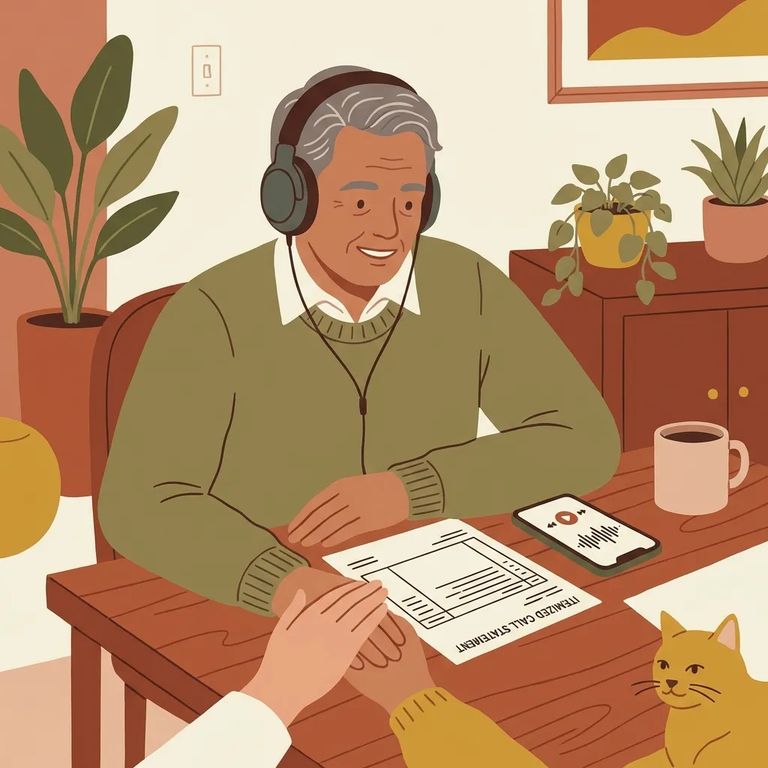
Phone calls from this facility follow strict rules. Third-party or alternative call arrangements aren't allowed, so you can't route calls through another number or use workarounds. Usually the inmate pays for calls, though in some cases the receiving party can pay instead. Assume all calls are monitored. The facility posts a notice next to each telephone letting inmates know calls are recorded. Attorney calls can be unmonitored in certain circumstances, but that requires following the facility's specific process.
Electronic messaging runs through TRULINCS. The service is funded entirely by the Inmate Trust Fund (not taxpayer dollars), which means inmates pay fees to use it. Messages are text-only. No attachments. Each message maxes out at 13,000 characters, roughly two pages of text. Inmates don't have internet access through TRULINCS. Before anyone can use the system, both sides need approval. The inmate must be cleared to use TRULINCS, and each person they want to message must give permission to communicate with that specific inmate.
Note: Attorney calls are unmonitored only in specific circumstances, and TRULINCS messaging requires approvals on both ends. If you're setting up either for the first time, verify the exact steps with the facility before counting on it.
- Plan for standard calling only: Third-party or other alternative call arrangements are not permitted, so expect calls to come through the normal facility process.
- Figure out who will pay: Ordinarily the inmate pays for calls, but in some cases the receiving party may pay. If you are asked to accept charges or set up a payment option, confirm what the facility allows.
- Assume monitoring, and ask about legal calls if needed: A notice is posted next to each telephone advising inmates that calls are monitored. If you are an attorney (or trying to support attorney communication), ask what procedure applies, since unmonitored attorney calls are only permitted in certain circumstances.
- Confirm TRULINCS access and funding: TRULINCS is funded entirely by the Inmate Trust Fund, not taxpayer dollars, and inmates pay fees to use it.
- Write messages that fit the format: Messages are text-only, attachments are not permitted, and each message is limited to 13,000 characters.
- Complete the approval and permission process: The inmate must be approved to use TRULINCS, and you must give permission before the inmate can message you.
- Know what TRULINCS is not: Inmates do not have internet access through TRULINCS, so it is a controlled messaging system, not general email or web access.
What-to-verify
- ✓ Whether calls must be paid by the inmate in your situation, or whether the receiving party can pay
- ✓ Any current requirements for setting up or accepting recipient-paid calls (if offered in your case)
- ✓ That phone calls are monitored, and what that means for your specific situation
- ✓ Whether unmonitored attorney calls apply, and the exact procedure required to request them
- ✓ What approvals or permissions you must complete before TRULINCS messaging can begin
- ✓ That TRULINCS is funded through the Inmate Trust Fund
- ✓ The message limits: text-only, no attachments, 13,000-character maximum
- ✓ That inmates do not have internet access through TRULINCS
Find an Inmate at Herlong FCI
Search for a loved one and send messages and photos in minutes.