
What Inmates Can Do with Lafayette County Detention Center's Kiosks
Kiosks at Lafayette County Detention Center are how inmates handle everyday needs—staying in touch, buying commissary items, and accessing basic legal research. Here's what they can do, and what you'll want to confirm before relying on any one feature.
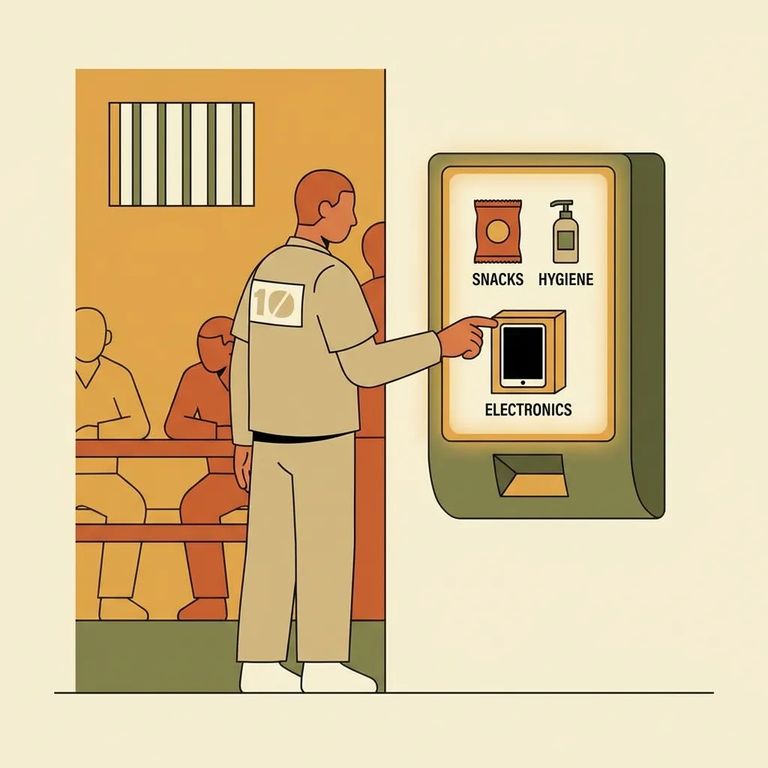
Since March 2020, the facility has installed 19 kiosks - two money kiosks and 17 video kiosks. These serve as the hub for communication with family and friends, commissary purchases, electronic law library access, and virtual court appearances. If you're trying to stay connected or support someone inside, knowing what the kiosks handle will save you time and confusion.
Inmates can use the kiosks to place calls, video chat, or send emails - including to contacts out of state. That's a big deal if you're not local and in-person visits are hard to arrange. For many families, these kiosk-based options become the most reliable way to stay in touch when schedules are tight or visitation is limited.
Note: Communication options can come with specific rules around cost, timing, and how accounts are set up. Before you count on calls, video, or email, confirm the current details with the facility.
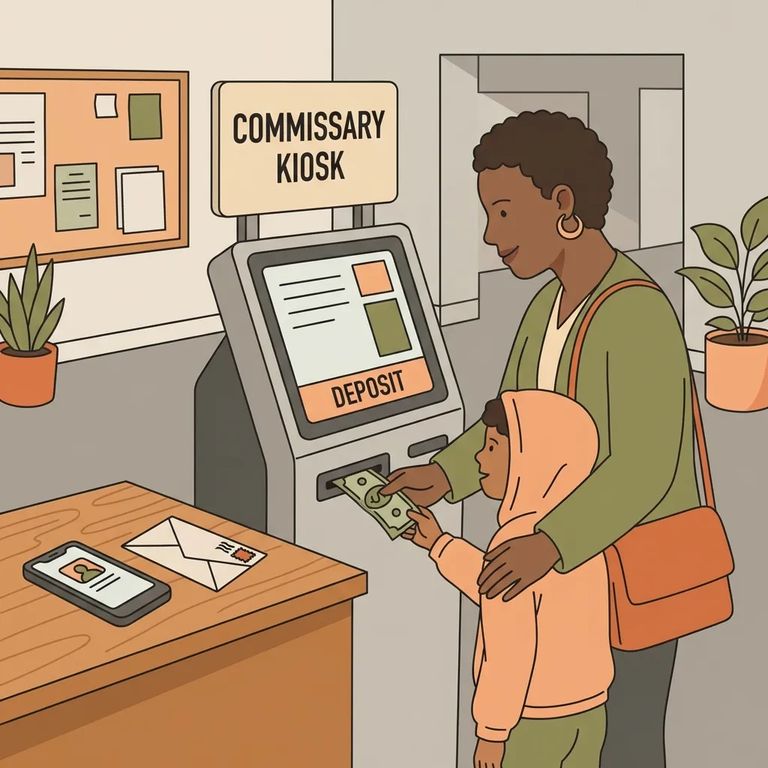
The two money kiosks let family members upload funds to an inmate's commissary account. Once money is available, inmates can purchase items like snacks and drinks through the kiosk system. If you're trying to help someone manage basic comforts - especially during a longer stay - this is one of the most practical features to know about.
- ✓ What information you need to upload funds (for example: the inmate’s name, booking number, or another account identifier)
- ✓ Which payment methods the money kiosks accept
- ✓ Whether there are limits on how much you can add at once or in a day
- ✓ When commissary purchases are available and whether there are spending limits
- ✓ How long it typically takes for uploaded funds to show up in the commissary account
Kiosks aren't just for communication and commissary. Inmates can also access an electronic law library to research their case and help prepare for their defense. This can matter early on, when someone is trying to understand charges, timelines, or what questions to bring to an attorney. It's not a substitute for legal counsel, but it's a way to look up information and do basic case research from inside.
Tip: Access details can vary - ask about kiosk availability for legal research and any rules that affect use (like access times or printing).
Another major use: virtual court. Inmates can use the kiosks for hearings with a judge, cutting down on transports between the detention center and courthouse. Fewer transports mean fewer delays and reduced safety risks. For families, it may also mean some court events happen remotely rather than in a courtroom.
- Confirm the hearing will be virtual - Some court appearances may be handled through the kiosk system rather than by transport.
- Get the hearing set on the facility’s schedule - The detention center coordinates access to the kiosk for the inmate’s remote appearance.
- Appear remotely through the kiosk connection - The inmate connects from inside the facility for the hearing with the judge.
The department plans to expand kiosk features in the future, including GED classes and drug and alcohol programs. These are still in development - confirm with the facility before assuming they're available to your loved one.

Because the kiosk system covers so much - money uploads on the two money kiosks, communication on the 17 video kiosks - verify the current rules before building your routine around it. Confirm how accounts are set up, what payment methods are accepted, which communication options your loved one can use, and how virtual hearings work. It's also worth asking whether any of the planned education or substance-abuse programming is actually live yet.
- ✓ Where the two money kiosks and 17 video kiosks are located inside the facility and when inmates can access them
- ✓ How you upload funds to commissary using the money kiosks and what identifier you need (name/booking number/account number)
- ✓ Which communication options are currently available (calls, video chat, email) and how payment works for the inmate
- ✓ Whether out-of-state friends and family can be included for calls, video chats, or email
- ✓ How virtual hearings are arranged through the kiosks and what to expect on hearing days
- ✓ Whether GED classes or drug and alcohol programs via kiosks are active yet, or still planned for the future
Find an Inmate at Lafayette County Detention Ctr, MS
Search for a loved one and send messages and photos in minutes.