
What Living at Murphysboro Life Skills Reentry Center Is Really Like
Want to know what daily life actually looks like at Murphysboro? The best window comes from what residents themselves reported during independent monitoring. Here's what that data shows—and what you'll want to confirm before making plans.
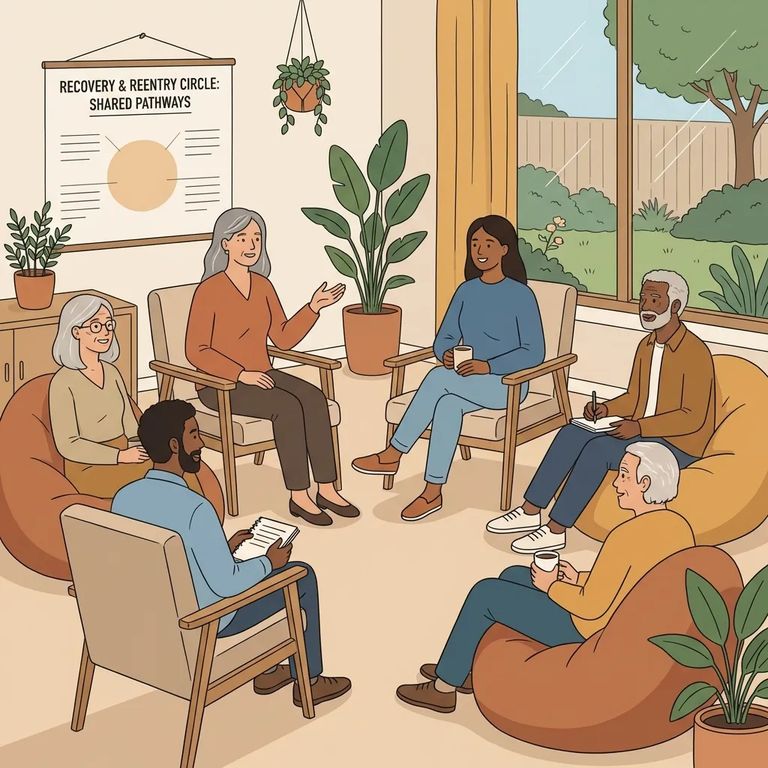
On November 6, 2018, Murphysboro Life Skills Reentry Center housed 80 adult men. During that monitoring visit, the John Howard Association (JHA) collected 64 resident surveys - about 80% of the population. That's a solid sample of what people said they were experiencing at the time.
Murphysboro is a reentry-focused facility, which shapes everything about how it operates. Reentry centers are designed around preparing people for release, not long-term confinement. According to JHA's reporting, these facilities typically offer more opportunities for family engagement than traditional prisons - especially when they're located close enough for families to realistically stay involved.
Yard access is one of the clearest day-to-day indicators in the survey data. Nearly everyone who responded - 97.56% - said they'd been to yard at least once in the past week. For families, that's a practical signal: most residents were getting regular time outside their living unit, which can make a real difference in mood and routine.
The same surveys captured broader details about daily routines. Because 64 out of 80 residents participated, the responses offer a useful window into how people described life there - how they spent their days and what structured activities they could actually access.
The biggest difference you'll notice as a family? The emphasis on staying connected. JHA's findings show that reentry facilities offer more opportunities for family engagement, which can mean more meaningful contact and fewer barriers to involvement - especially when the facility is close enough that visits are actually doable. If your loved one is at Murphysboro, ask them directly what family-facing options exist right now and which ones people are actually using.
JHA's monitoring data from November 6, 2018 also captured residents' views on staff interactions and day-to-day services. This kind of feedback reflects how people actually experienced the facility - not just what the rulebook says. Keep in mind it's still a snapshot in time and won't cover everyone's experience.
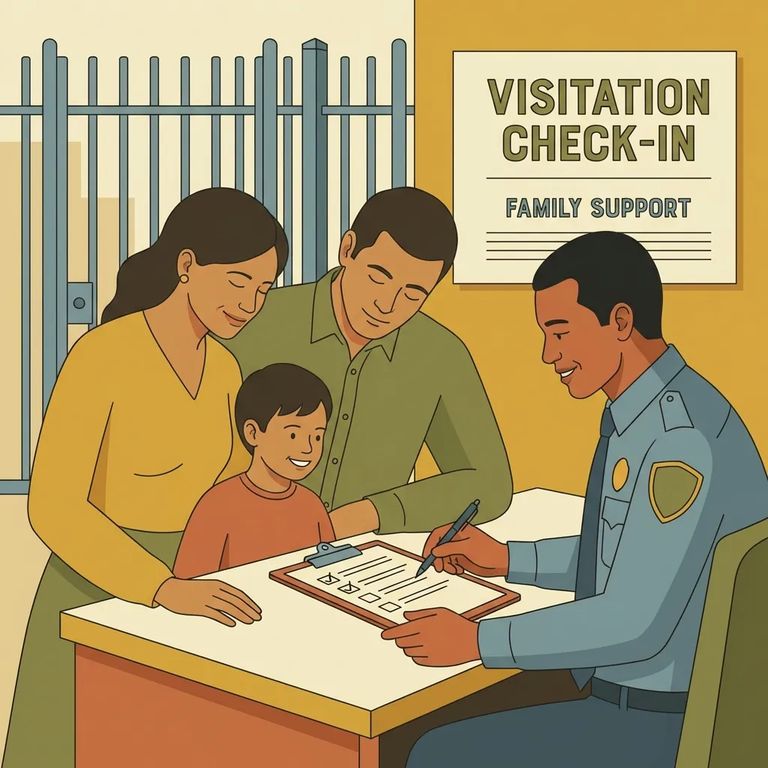
Practical Questions
- ✓ What’s the current visiting schedule, and does it change by housing area or status?
- ✓ What kind of photo ID do visitors need, and are there limits on who can visit?
- ✓ What’s the current dress code, and are there common reasons visits get denied at the door?
- ✓ How do phone calls work (times, limits, and what happens if phones are down)?
- ✓ What can your loved one buy through commissary, and how do you add money (and are there fees)?
- ✓ Are there limits on mail, photos, or books - and do packages need to come from approved vendors?
- ✓ What programs are running right now, and are there waitlists?
- ✓ How often is yard offered, and what can cancel it (weather, staffing, lockdowns)?
- ✓ What’s the best way to confirm changes before you travel (and how far ahead should you check)?
- ✓ What should you know about transportation, parking, and arrival time on visit days?
Note: These resident-reported details come from JHA's monitoring visit on November 6, 2018, when 64 people completed surveys. JHA describes reentry facilities as offering more family engagement opportunities, but specific options can change - verify current policies before you plan.
Find an Inmate at Murphysboro Re-Entry Life Skills, IL
Search for a loved one and send messages and photos in minutes.