
Understanding Ohio’s 15-Person Visitor List: Who Counts, Who’s Exempt, and How to Get Listed
Building a visiting list in Ohio gets confusing fast—especially when you're juggling family, friends, and all the paperwork. Here's how the 15-person limit actually works, what the

Ohio limits an incarcerated person’s visiting list to up to fifteen (15) approved adult visitors. Within that adult limit, there’s another cap that trips people up: the list can include no more than two (2) friends. In other words, even if there’s still room left under the 15-adult maximum, the “friend” category can’t go beyond two - so most of the space is typically reserved for family.
Tip: If you’re helping someone plan their list, lock in the must-have people first. With only two friend slots allowed, you don’t want to use them up before the family members you need are in place.
Some people aren’t just “nice to have” on the list - they must be declared right away. Immediate family members and the mother or father of the incarcerated person’s children have to be declared by the incarcerated person at reception on the Incarcerated Person Reception Visiting list (DRC2248). Reception staff then enter that list into the DOTS VSL screen, which is the system staff use to manage visiting lists.
The key takeaway is that Ohio separates the “approved adult visitors” limit from the reception requirement to declare certain relationships immediately. The 15-person limit is specifically about approved adult visitors, but the DRC2248 reception list is where immediate family and the parent of the incarcerated person’s children are supposed to be captured and entered into DOTS VSL from the start - so they don’t get missed or delayed later.
- Have the incarcerated person declare immediate family and the parent of their children on DRC2248 - this is done at reception and is meant to get those core visitors identified up front.
- Confirm the list is entered into DOTS (VSL screen) - reception staff are responsible for entering the DRC2248 information into DOTS VSL.
- Keep your details consistent - use the same full legal name each time you’re dealing with the visiting list so the right person gets entered and reviewed.
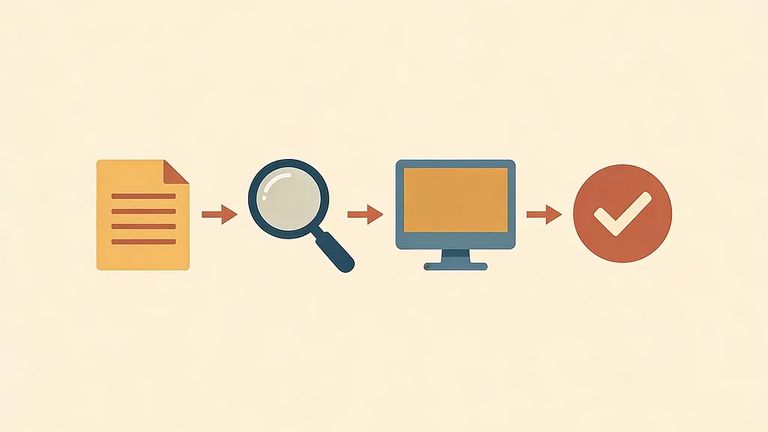
When someone applies to be a visitor, designated unit staff don’t just look at the application and guess. They’re required to run electronic checks in specific DOTS Portal screens - NAMS1, SCOPE, VNAMS, and VADDS - to see past and current restrictions and visitation histories involving other incarcerated people. Staff also search the visitor’s name in the incarcerated person’s PSI or indictment to flag possible co-defendant and/or victim status, which can affect whether a visitor is approved.
Those checks aren’t supposed to happen “off the record.” Staff document the checks on the visiting application and in the VSNOT screen inside DOTS Portal, along with initials. The paperwork trail matters for follow-up, too: visitor applications and any supporting documents are electronically scanned into OnBase by designated staff.
- Run the required DOTS searches - staff check NAMS1, SCOPE, VNAMS, and VADDS to identify restrictions and visitation history.
- Review the PSI/indictment for conflicts - staff look for co-defendant and/or victim status tied to the visitor’s name.
- Document the results in DOTS and on the application - checks are recorded on the visiting application and in DOTS (VSNOT), with initials.
- Scan the paperwork into OnBase - the application and supporting documents are stored electronically for recordkeeping.
- Make the approval decision - staff use the gathered information to decide whether the applicant is approved.

Practical Tips
- ✓ Build around the hard limit: no more than fifteen (15) approved adult visitors total.
- ✓ Save space for family first; the list can include no more than two (2) friends.
- ✓ Make sure immediate family and the mother or father of the incarcerated person’s children are declared at reception on DRC2248 so reception staff can enter them into DOTS (VSL).
- ✓ If a visitor is waiting on approval, ask whether designated unit staff have completed the DOTS Portal searches (NAMS1, SCOPE, VNAMS, VADDS) and checked the PSI/indictment for co-defendant/victim status.
- ✓ If you’re troubleshooting a delay, ask whether the checks were documented on the visiting application and in DOTS (VSNOT).
- ✓ If you submitted paperwork, ask whether the visitor application and any supporting documents were scanned into OnBase.
Note: When something doesn’t look right - missing names, long delays, or confusion about whether someone is “on the list” - ask staff to confirm what’s entered in DOTS (VSL/VSNOT) and whether your paperwork made it into OnBase.
Find an Inmate at Ohio Refromatory
Search for a loved one and send messages and photos in minutes.