
Understanding the Grievance (Administrative Remedy) Process in NC Prisons — and its limits
When something goes wrong for someone you care about in a North Carolina prison, the Administrative Remedy Procedure is the formal way to file a grievance. It can help fix problems — and it's often required before filing a lawsuit — but families face real limits on what they can learn or do from the outside.
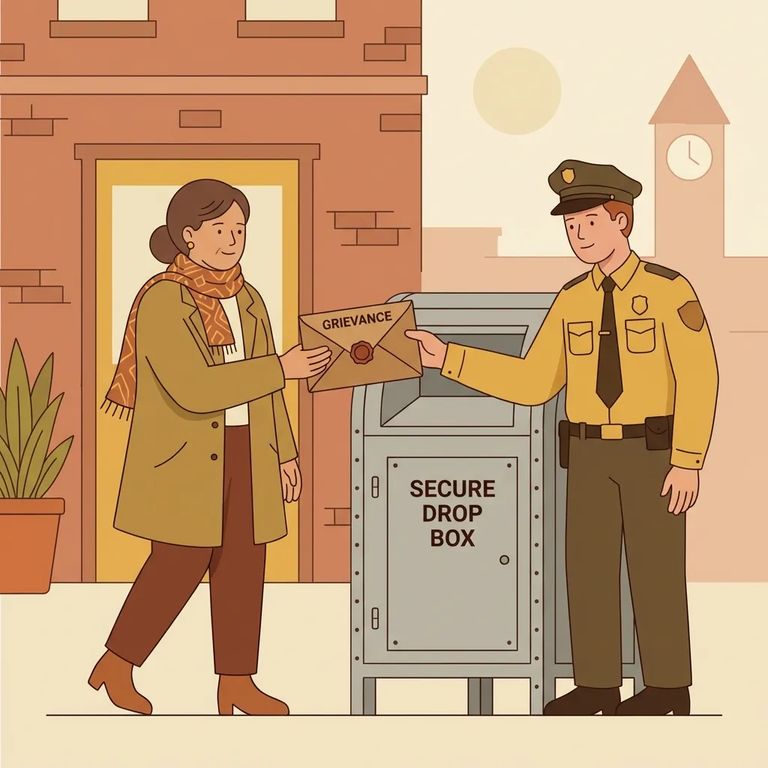
NC prisons call their grievance system the Administrative Remedy Procedure. It's designed for the person in custody to use directly. When someone enters a correctional facility, they receive written notification of the grievance procedure along with a verbal explanation of how it works.
This procedure is part of NCDAC policy and serves as the standard channel for raising concerns through the prison's internal process. Once a grievance is accepted, there's a defined path with expected response windows at each step.
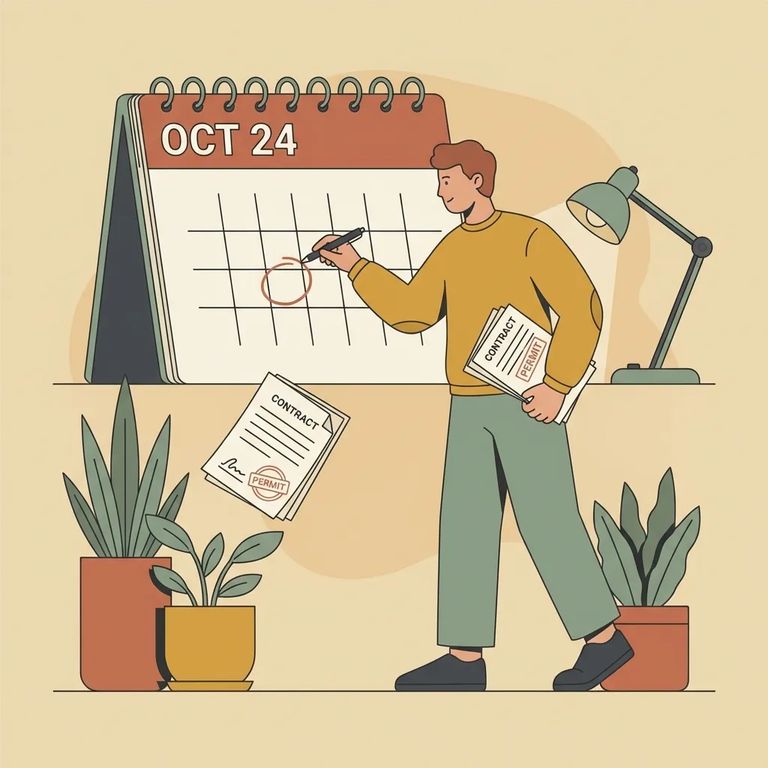
Timing matters. Grievances generally must be filed within 90 days of the incident, with limited exceptions. Wait too long, and the grievance may never reach the investigation stage. Treat that 90-day window as a firm deadline unless your loved one has been told an exception applies.
After filing, the grievance goes through initial screening at the facility. A screening officer reviews it and notifies the person whether it's accepted or rejected for processing. Rejection stops the process right there - this screening decision is a major gatekeeper.
If accepted, the grievance moves to Step 1 review. A designated staff member investigates the issue and files a written Step 1 response with supporting documentation within 15 days. This is the first written answer your loved one should expect.
If your loved one disagrees with the Step 1 outcome, they can appeal to Step 2. The review moves up to the facility head or a designee, who must provide a written Step 2 response within 20 days of the appeal. It's still a facility-level decision, but it's a separate review with its own deadline.
Here's the hard part for families: grievance information isn't treated like public records. Under North Carolina law, all information relating to a grievance is confidential and not considered public information - even when the issue feels urgent or deeply personal.
That confidentiality has real consequences. NCDAC and the Inmate Grievance Resolution Board won't disclose whether someone filed a grievance, what it was about, what happened, or the Board's records. If you call or write asking "Did they file?" or "What's the status?" - expect no answer.
The grievance process also matters legally. Both state and federal law require incarcerated people to exhaust administrative remedies before suing the state of North Carolina, NCDAC, or its employees. If your loved one tries to sue without completing the grievance steps first, the case can be blocked or dismissed.
Family Support
- ✓ Ask your loved one to keep their written grievance paperwork and any written responses they receive; having a paper trail helps them track what’s been filed and what’s been answered.
- ✓ Encourage them to file promptly when something happens; with some exceptions, grievances generally must be filed within 90 days of the incident.
- ✓ Help them write down the key facts while they’re fresh (dates, times, names, what happened, and what they want changed), so they can use that information when they prepare the written grievance.
- ✓ Set expectations on what you can learn from the outside: grievance information is confidential under North Carolina law, and NCDAC/the Inmate Grievance Resolution Board will not tell you whether a grievance was filed or share the circumstances, results, or Board records.
- ✓ Remind them that the process is explained at intake (both in writing and verbally), so if they’re unsure about how to start, they can ask inside the facility for the Administrative Remedy Procedure information they were given on admission.
Note: Even as a close family member, you can't access grievance details. Under North Carolina law, NCDAC and the Inmate Grievance Resolution Board won't share status, circumstances, results, or Board records with you.
Find an Inmate at Pamlico Correctional Institution, NC
Search for a loved one and send messages and photos in minutes.