
Can You Visit Someone at RRM Philadelphia? What Families Need to Know
Visiting someone at RRM Philadelphia can feel confusing—there's no public street address like you'd find for a prison. But the process is real and doable once you understand how visitor approval works and what information gets collected along the way.

If you've been searching for a "halfway house address" and keep hitting dead ends, that's intentional. The Bureau of Prisons doesn't disclose physical addresses for Residential Reentry Centers (RRCs). Public records point to the Residential Reentry Management (RRM) office responsible for the person - in this case, RRM Philadelphia - not the RRC's actual street address.
Note: Residents at RRCs aren’t coming and going freely - they’re only allowed to leave through approved sign-out procedures for specific activities (like work, counseling, visits, or recreation).
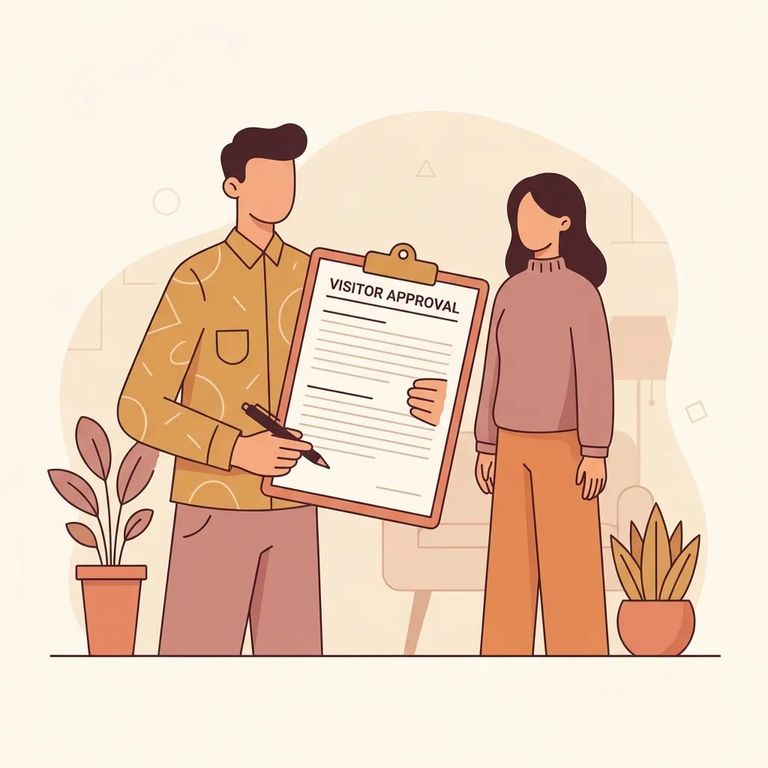
You can't just call and ask to be put on a visitor list. The resident has to start the process by requesting a Visitor Information form and sending it to you. Fill it out, submit it back, and wait for BOP approval. That approval is what makes you an "approved visitor" - and it's what the facility uses to decide who can come in and when.
Once you're in the visiting pipeline, there's no casual sign-in sheet. The BOP uses the ACES/Web Visiting (WebV) system to log everyone entering and exiting facilities - staff, contractors, volunteers, and approved visitors. WebV can store personally identifying details when you provide them: driver's license number, passport number, mailing address, phone number. This is how the system ties a real person to a visitor record and keeps the entry process controlled and auditable.
Privacy note: WebV may store visitor identifiers like a driver’s license number or passport number, plus contact details such as a mailing address and phone number (when provided).
Approval isn't just paperwork - it includes validation. ACES runs background checks on individuals in the system, including at minimum an NCIC check to verify the information you provided. When you arrive for your visit, you'll need to show legal ID. Staff compare your ID against what's in the system. If something doesn't match, they can correct minor discrepancies - but this is why the exact way you enter your name, address, and ID details matters more than most people realize.
5
- ✓ Ask the resident to request a Visitor Information form and send it to you.
- ✓ Fill out the form completely and accurately, including the personal details requested (such as ID details and contact information when requested).
- ✓ Submit the form for approval and expect a background check/validation step (at minimum, an NCIC check).
- ✓ Bring legal ID when you go; your ID is used to match you to the visitor record in the system.
- ✓ Confirm the visit time and logistics directly with the resident and/or the supervising office before you travel.
Tip: Use the same name and identifying details everywhere - small mismatches between your form and your ID can slow down validation and approval.
Before you get in the car, plan for a little extra legwork. Since the BOP doesn't publish RRC addresses - and public information typically points to the RRM office - you'll need to get the exact visit location and arrangements directly from the resident or the supervising office. Don't rely on finding a public address listing.
Find an Inmate at RRM Philadelphia
Search for a loved one and send messages and photos in minutes.