
What Happens When Your Loved One Enrolls in an EBRR Program at USP Thomson
EBRR programs—Evidence-Based Recidivism Reduction programs—are part of the Bureau of Prisons' First Step Act programming. If your loved one enrolls at USP Thomson, it can come with real incentives, like extra phone minutes. It may also put them in line for a transfer closer to home as they near release.

EBRR programs are structured classes or interventions designed to help people build skills tied to lower reoffending risk. At USP Thomson, enrolling in, participating in, or completing EBRR programming matters beyond the classroom. It's one way someone can receive consideration for a "nearer release transfer" - meaning the BOP may move them closer to where they'll be released as their sentence winds down.
EBRR programming isn't just "something to do." It's how the BOP organizes reentry-focused work, tracks participation, and sometimes ties that participation to incentives. If your loved one is taking these programs seriously, they're building a stronger record of follow-through - something that helps them inside and as they plan for release.
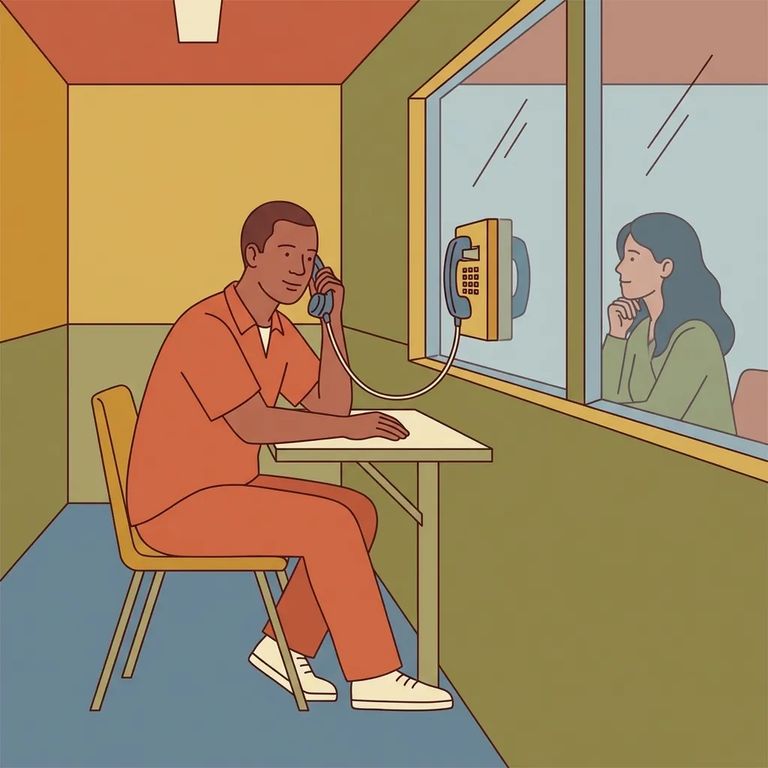
Incentives Families
- ✓ Additional monthly phone minutes are available as a First Step Act programming incentive for adults in custody at USP Thomson who are in opt-in status.
Families often ask about transfers. At USP Thomson, people who enroll, participate, or complete EBRR programs receive consideration for a nearer release transfer. That wording matters - it's consideration, not a promise. Think of it as one factor the BOP weighs, not a guarantee that a move will happen or when.
- ✓ Completing EBRR programming totaling 100 hours or longer can make someone eligible for a financial achievement award or preferred housing at USP Thomson.
Not every program runs 100+ hours, and shorter ones still count. At USP Thomson, completing EBRR programs under 100 hours may qualify someone for institution incentive events. If your loved one is stacking shorter programs, those completions can still translate into tangible, day-to-day perks inside.
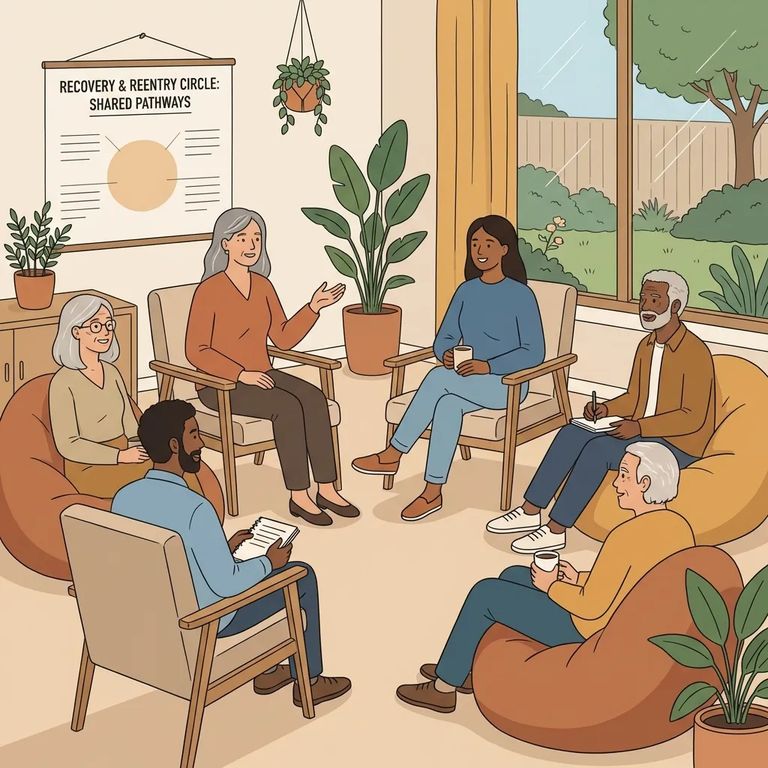
One program you may hear about is Anger Management. It's available at USP Thomson and across BOP institutions, but the BOP requires Psychology Services to deliver it - that ensures program fidelity and proper credit. If someone is counting on Anger Management as EBRR programming, it needs to go through the right department.
Verify the hours: Anger Management is listed as 18 hours of EBRR credit, but BOP materials have shown inconsistent information across versions. Your loved one should confirm credited hours through the institution's program listing or Psychology Services.
Basic Cognitive Skills is another common option. It's available at USP Thomson, worth 24 hours of EBRR credit, and must be delivered by Psychology Services. Families often hear it described as a "thinking skills" class - building practical tools for stressful or high-risk situations.
Program names and credited hours come from BOP guides, but details can shift with updates. If your loved one is planning around incentives - like hitting 100 hours - have them confirm what the institution currently credits for each program before committing to a specific sequence.
If you're hoping EBRR participation will move your loved one closer to home, keep expectations realistic. At USP Thomson, participation results in consideration for a nearer release transfer. That's not "they'll transfer" or "they'll transfer soon." It means participation can help put them in the group the BOP considers when making placement decisions tied to release planning.
For general questions about the First Step Act or BOP guidance, contact the Reentry Services Division at FSA@BOP.GOV. This is a good starting point when you're trying to understand how incentives work and how EBRR programming fits into the larger framework.
For questions specifically about EBRR offerings - what a program is, how it's categorized, or how it should be delivered - email BOP-RSD-NRB-FSA@BOP.GOV. Program questions are easier to answer when you can name the specific program and what your loved one is trying to earn (like credited hours toward the 100-hour threshold).
Note: Available guidance doesn't spell out the step-by-step enrollment process at USP Thomson or how families can confirm participation. For questions about a specific person's status, your loved one will need to check with their unit team and the department delivering the program (often Psychology Services for the examples above).
Find an Inmate at USP Thomson
Search for a loved one and send messages and photos in minutes.