
What It Was Like Inside Vienna Correctional Center During COVID‑19 (April–May 2020)
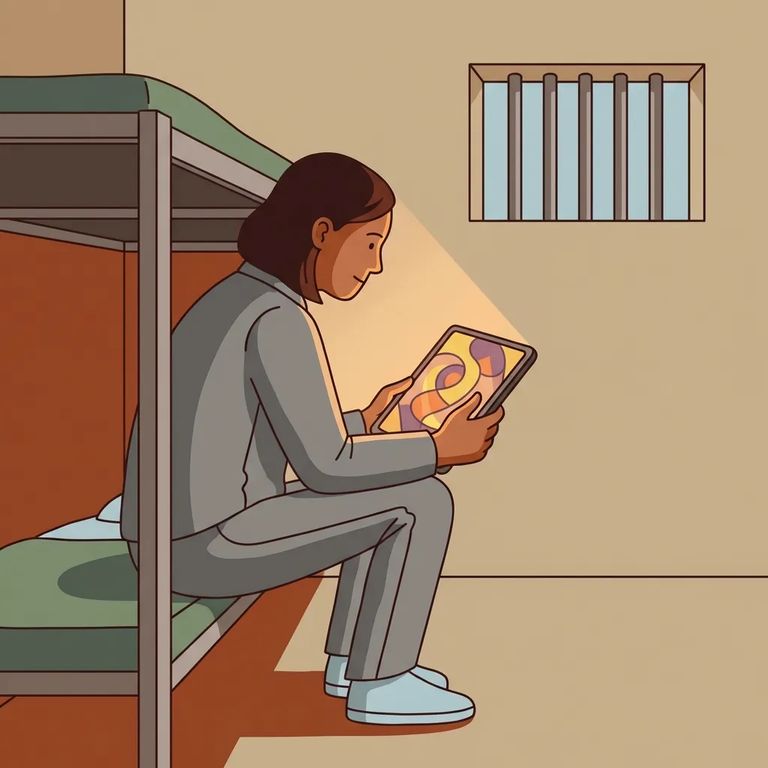
If you're trying to understand what your loved one went through during the first wave of COVID-19, these survey results paint a concrete picture of daily life inside Vienna Correctional Center. Vienna is a minimum-security prison that housed 1,103 adult men on the day of the monitoring visit. The survey collected 495 responses - 44.9% of the population. The findings below reflect what incarcerated people reported during the April 24–May 20, 2020 survey window. They're useful for understanding conditions at that time and for shaping the questions you might ask the facility now.
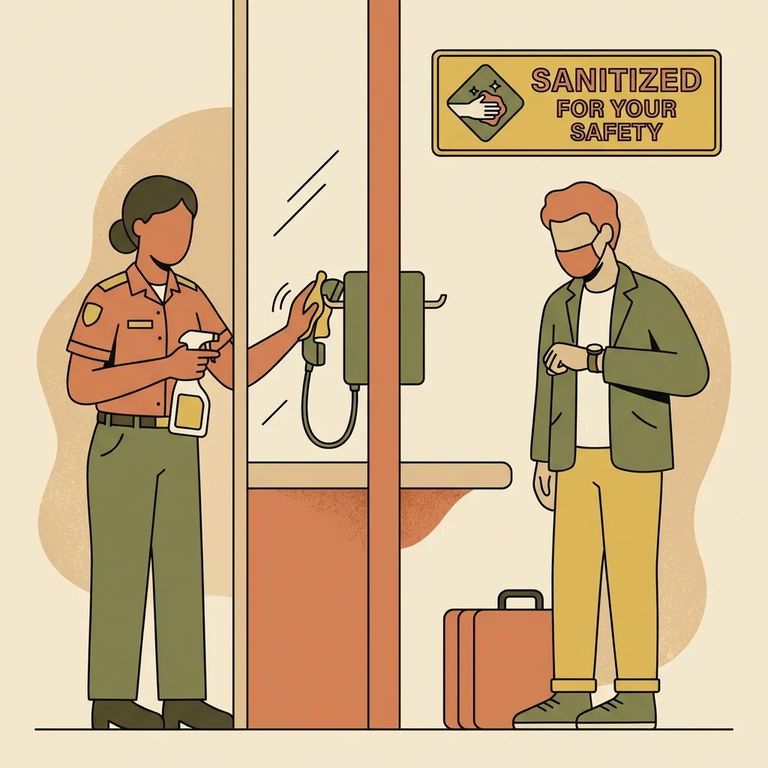
Soap access was hit or miss. In the COVID survey, 58.20% of Vienna respondents said they had enough soap to wash their hands regularly over the past week. But 38.36% said they didn't. That gap matters - handwashing only protects people when they can do it consistently, not just when supplies happen to be around.
Cleaning supplies for living spaces were even harder to come by. A striking 78.40% of respondents said they received no cleaning chemicals from IDOC to clean their cell or sleeping area that week. Picture someone trying to keep their bunk sanitary during an outbreak - without basic chemicals, they're stuck using whatever they can find through other channels.
Note: A sizable share of respondents said they didn't have enough soap, and most received no cleaning chemicals for their living area. If your loved one has mentioned hygiene frustrations from that time, these numbers help explain why.
One area that appeared more stable was shower access. In the survey, 94.97% of respondents said they could take a shower at least three times in the last week, which suggests most people were still able to keep up basic hygiene through showers even when cleaning supplies for cells were limited.
Outdoor time took a major hit during this period. In the survey, 73.66% of respondents said they weren't allowed to go to yard even once that week. For many, that meant no outdoor access at all - affecting physical activity, stress levels, and the sense of time passing, especially under lockdown conditions.
Tip: Yard access was heavily restricted in this snapshot. If you’re trying to understand your loved one’s current routine, yard/outdoor time is one of the first things worth asking about directly.
Video communication was unreliable during this window. Nearly half of respondents (49.05%) said they didn't get a free video visit that week. Only 11.65% reported getting one that actually worked. Another 20.60% had a video visit but experienced bad service or got cut short. Even when video visits were offered, a meaningful number of people ran into technical problems.
Mail proved more dependable. 87.60% of respondents said they could send and receive mail that week. For families, this matters - when video systems are inconsistent, letters often become the steadier way to stay connected and get a clearer picture of daily life inside.
What to expect from this snapshot: Many respondents said they did not get a free video visit, and only a small percentage reported a working one - while mail was available for most people.
Commissary mostly kept running, though not always at full capacity. 68.45% of respondents said commissary ran on schedule with a full shop that week, while 19.52% reported a limited selection. The difference between "full shop" and "limited shop" matters for basics - especially when facility-issued hygiene and cleaning supplies are strained. Commissary is often where people fill those gaps.

Actions
- ✓ Ask what yard/outdoor time looks like right now (how often, how long, and what can cause it to be canceled).
- ✓ Confirm how soap and cleaning supplies are issued today, and whether people can buy additional hygiene items through commissary.
- ✓ If video visits are part of your plan, ask how free visits (if any) work now and what to do when a visit is cut short or has bad service.
- ✓ Use mail as a backup communication channel, especially if video is unreliable.
- ✓ Track dates and details when problems happen (missed commissary, no supplies, canceled yard, failed video). Specific examples are easier to escalate than general complaints.
Keep in mind: these numbers come from a specific COVID-era survey window (April 24–May 20, 2020), not a live view of operations today. The 495 responses represent 44.9% of the population on that day - a substantial sample, but not everyone's experience. If you're using this to guide your next call or letter, focus on what's most likely to have changed: current yard access, the commissary schedule and what's actually in stock, and the current rules and troubleshooting process for video and phone communication.
Find an Inmate at Vienna Corrections Center, IL
Search for a loved one and send messages and photos in minutes.