
General guidance for Mail and Photos
Mail and Photos at Maximum Security, RI: start with our general mail and photos guide, then confirm details with the facility at (401) 462-3791.
Also known as: RI DOC - Maximum Security, High Security Center
Find inmate search, visitation, mail, phone, and commissary information for Maximum Security in Cranston, RI. Use this guide to confirm facility details and next steps.
Search for a loved one and send messages and photos in minutes.


Sending money to someone at Rhode Island DOC's High Security Center is straightforward once you know your options. Here are the approved deposit methods, what you'll need, and the mailing address for check or money order payments.
Read Guide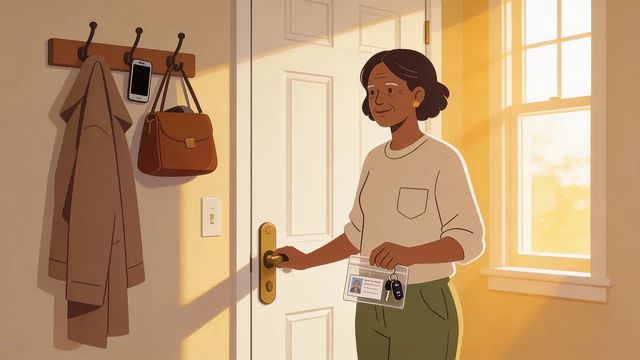
Your first visit to High Security Center goes smoother when you show up with the right ID and as little extra as possible. Here's what to bring, what to expect at check-in, and what will slow you down at screening.
Read Guide
Having a criminal record, active probation, or a pending case doesn't automatically disqualify you from visiting Rhode Island's High Security Center—but you'll need to go through the right approval process. Here's how RIDOC makes the decision, what background checks are involved, and how being "immediate family" affects your path.
Read GuideBased on official sources and community feedback.Learn how we verify
Visits at High Security Center are a privilege—RIDOC administration can approve, deny, suspend, or revoke them. Before visiting, you'll need to clear both BCI and NCIC background checks to get on an inmate's approved list. Certain criminal histories or pending charges may require approval from the Assistant Director of Institutions and Operations (ADIO) or the facility warden. Bring acceptable photo ID; some forms (like Social Security or welfare cards) won't work. Sentenced inmates can have nine approved visitors plus two "money purposes only" names, and you can generally only be on one inmate's list at a time. Wardens set the schedule, but eligible inmates get at least three visiting periods per week of at least 1.5 hours each. Expect metal detectors and possible same-sex pat-downs. Only nitroglycerin is allowed as a life-saving medication—staff will log it.
Read full guideHigh Security Center uses Access Secure Deposits (Access Corrections) for trust-account deposits. You can pay online, by phone, at kiosks, at cash-pay retail locations, or by mail. For in-person deposits, the Inmate Accounts window is open Monday–Friday, 9:00 AM–11:00 AM and 1:00 PM–3:00 PM (closed on state holidays). Bring photo ID—a driver's license, state ID, or passport works. You also need to be on the inmate's visiting list, though RIDOC allows a 30-day grace period so you can deposit before that enrollment is finalized. Electronic and retail payments typically post faster than mail.
Read full guideRIDOC's public incarceration search is provided "as is"—it's not an official record, so don't treat it as definitive. Online rosters can be delayed, abbreviated, or miss recent bookings. Verify time-sensitive or critical details directly with the facility, the court, or RIDOC. If your search comes back blank, try alternate spellings, hyphenated last names, known aliases, date of birth, or an inmate/booking/registry number if you have one. You can also sign up for notification services (like VINE/VINELink in many states) to get phone, text, or email alerts about releases, transfers, or custody-status changes.
Visiting High Security Center is easier when you know what to expect. RIDOC requires the Visitors Policy and Visitor Dress Code to be posted in English and Spanish in the visiting waiting room—review them when you arrive. Inmates are generally entitled to at least three visiting periods per week (each at least 1.5 hours) unless on Administrative Restricted Status. Bring proper ID; the facility lists acceptable forms and notes which ones won't work. If you're not immediate family and have certain criminal history issues—a felony record, pending charge, certain misdemeanor drug-related records, a nolo contendere plea, or probation status—you'll need ADIO or warden approval, handled case by case.
Mail and Photos at Maximum Security, RI: start with our general mail and photos guide, then confirm details with the facility at (401) 462-3791.
Phone Calls and Messaging at Maximum Security, RI: start with our general phone calls and messaging guide, then confirm details with the facility at (401) 462-3791.
You must clear both BCI and NCIC background checks to be added to an inmate’s approved visitors’ list. If you have certain convictions, pending charges, a misdemeanor drug-related record, or you’re on probation, you may only be allowed to visit with ADIO or warden approval under RIDOC policy.
VisitationSentenced inmates can have nine approved visitors plus two "money purposes only" names—people who can deposit funds but can't visit. You can generally only be on one inmate's list at a time. If you're removed from a list, you'll typically wait 30 days before being added to another inmate's list, with limited exceptions.
VisitationBring acceptable photo ID—some forms like Social Security or welfare cards won't work. You'll go through a metal detector and may get a same-sex pat-down or hand-held wand search. Only nitroglycerin is allowed as a life-saving medication; staff will log and store it.
VisitationYou can deposit through Access Secure Deposits—online, by phone, at kiosks, at cash-pay retail locations, or by mail. RIDOC provides vendor contact information for each option.
Sending CommissaryThe Inmate Accounts window is open Monday–Friday, 9:00 AM–11:00 AM and 1:00 PM–3:00 PM. It’s closed on state holidays.
Sending CommissaryYes. You need a photo ID (like a driver’s license, state ID, or passport) to make any deposit. You must also be on the inmate’s visiting list, but there’s a 30-day grace period that lets you deposit before enrollment is finalized.
Sending CommissarySearch for your loved one to start communicating today
High Security Center is a Rhode Island RIDOC facility. Both in-person and video visits are considered a privilege — RIDOC administration can approve, deny, suspend, or revoke them at any time.
This guide is compiled from official facility documentation and community feedback. Learn how we verify