
General guidance for Phone Calls and Messaging
Phone Calls and Messaging at Daviess County Detention Center: start with our general phone calls and messaging guide, then confirm details with the facility at (270) 685-8466.
Find inmate search, visitation, mail, phone, and commissary information for Daviess County Detention Center in Owensboro, KY. Use this guide to confirm facility details and next steps.
Search for a loved one and send messages and photos in minutes.

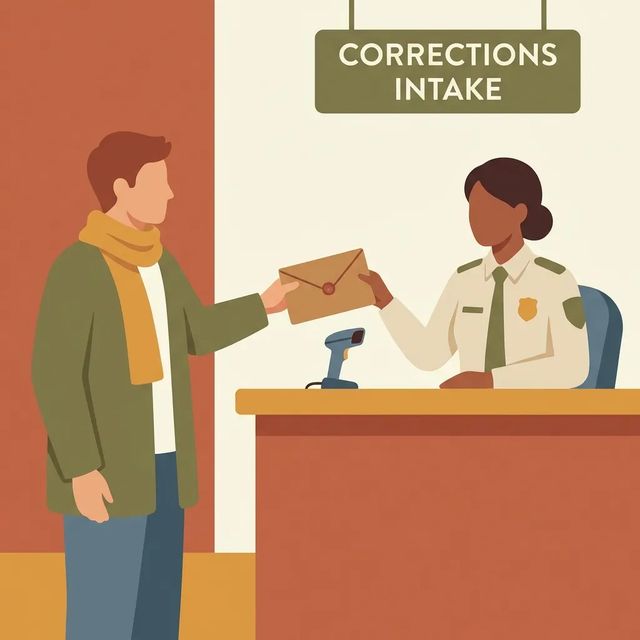
Getting money to someone at Daviess County Detention Center? You have three options: the lobby kiosk, mailing an approved check or money order, or using CorrectPay online or by phone. Here's how each method works—and the rules that trip people up.
Read Guide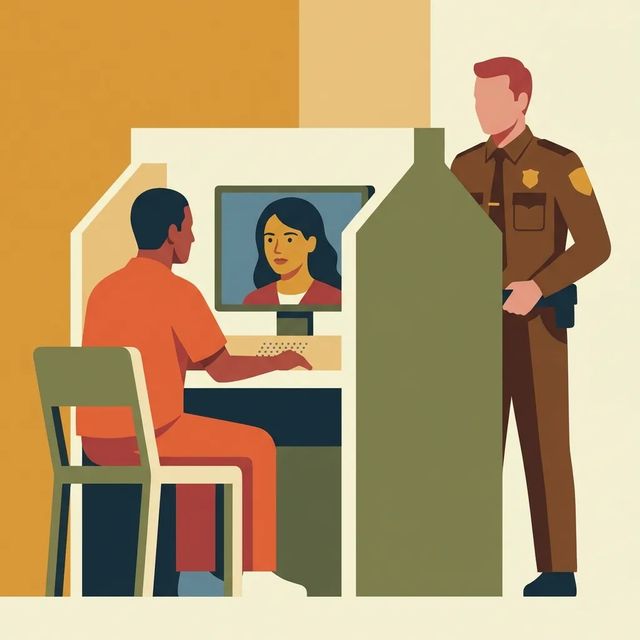
Video visits and chats at Daviess County Detention Center run through CorrectPay. Once you understand when access opens up, how scheduling works, and when head counts block connections, planning a smooth call gets much easier.
Read Guide
Getting through to the right person at Daviess County Detention Center is easier when you know which number to call—and when to ask for the on-duty supervisor.
Read GuideBased on official sources and community feedback.Learn how we verify
Daviess County Detention Center doesn't allow public in-person visits. Instead, family and friends connect through CorrectPay video visits, available 24/7 starting 16 hours after booking (except during head counts). All routine video visits and chats are monitored and recorded. Attorneys and other verified professionals can request confidential in-person or booth visits—once DCDC approves, those sessions aren't monitored or recorded. Each inmate gets one free 15-minute video visit per week. Additional visits cost $5.70 each (up to four more per week, 15 minutes each). If you're approved for an on-site visit, you'll sign the Visitor Log at Building One, wear a visitor badge on the secure side, and be escorted to and from the visiting area. Cell phones and shorts are prohibited. Having technical issues? Report problems through CorrectPay or the facility's support line.
Read full guideSending mail to someone at Daviess County Detention Center is straightforward, but a few rules matter. Books must be paperback—no hardbacks or spiral bindings. Anything with nudity or content deemed unsafe gets rejected. Inmates can request free Bibles and Bible workbooks through the facility kiosk under the "Religion" tab. Mailing money? Don't send cash. Use a cashier's check, certified check, or money order payable to Daviess County Detention Center, and write the inmate's name on the memo line. All incoming mail is screened or scanned, so label everything clearly with the inmate's full name and ID number. Include your complete return address and seal envelopes yourself before mailing.
Read full guideDaviess County Detention Center accepts deposits through the Building 1 lobby kiosk 24 hours a day. You can use cash or credit, though credit-card deposits can't push an inmate's balance above $300. Prefer to mail money? Send a cashier's check, certified check, or money order payable to Daviess County Detention Center. Include both the inmate's name and the sender's name—never send cash. Government checks are accepted only as two-party checks payable to the incarcerated inmate and must be deposited in full. One thing to know: 50% of all deposits may be deducted to cover outstanding fees, including state and federal obligations. Commissary orders go through the kiosk under "New Order." Deadlines are midnight CST on Sundays and Wednesdays, with deliveries on Tuesdays and Fridays. There's a $150 limit per commissary day (or $300 if commissary runs only once that week due to a holiday).
Read full guideWhen an inmate is placed in a housing unit at Daviess County Detention Center, staff issue an admission kit. A $3 fee is automatically charged to county inmate accounts for those not paying their own housing fees. The kit includes a comb, deodorant, shampoo, soap, toothbrush, and toothpaste, plus basic writing supplies: three sheets of paper, one stamped envelope, and a pen. Contraband is taken seriously here. Under Kentucky law, bringing in dangerous items—firearms, knives, drugs, or lighters—can be charged as promoting contraband in the first degree (Class D felony). Less dangerous items like pictures, candy, gum, pens, pencils, and tobacco fall under promoting contraband in the second degree (Class A misdemeanor). Intake includes basic medical screening. Extra clothing or hygiene items are typically purchased through commissary or approved vendors, not dropped off by family.
Read full guidePhone Calls and Messaging at Daviess County Detention Center: start with our general phone calls and messaging guide, then confirm details with the facility at (270) 685-8466.
Yes. Attorneys, representatives, and other professional visitors may be approved for confidential in-person or booth visits that won’t be monitored or recorded after DCDC verifies and approves the visitor.
VisitationSchedule video visits online through CorrectPay. Visits become available 16 hours after booking and run 24/7 except during head counts. Technical problems? Report them through CorrectPay.com or call the vendor support number provided by the facility.
VisitationYes. Routine video visits and chats are monitored and recorded unless a confidential visit has been preapproved. Approved confidential in-person or booth visits for attorneys and verified professionals are not monitored or recorded once authorized by the facility.
VisitationYes, but the book has to follow the facility’s rules: paperback only (no hardbacks or spiral bindings), and no nudity or content deemed inappropriate for safety or security.
Mail & LettersThe inmate can request a free Bible or Bible workbook on the in-facility kiosk under the “Religion” tab.
Mail & LettersDon’t send cash through the mail. Use a cashier’s check, certified check, or money order made payable to Daviess County Detention Center, and put the inmate’s name on the memo line.
Mail & LettersSearch for your loved one to start communicating today
Cell phones are prohibited on the secure side of the buildings; only listed authorized personnel and attorneys are allowed to have them.
This guide is based on feedback from dozens of families and official facility documentation. Learn how we verify